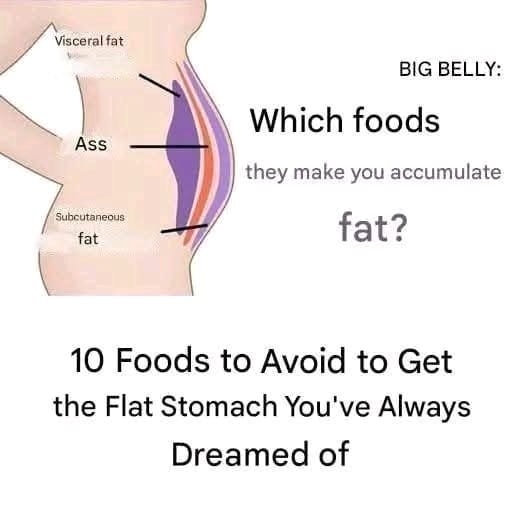
10 Foods to Avoid If You Want a Flatter Stomach (And What to Eat Instead)
Trying to get a flatter stomach? Discover 10 common foods that may contribute to bloating and belly fat—and healthier alternatives that support a leaner waistline.
The Hidden Diet Mistakes That Can Sabotage a Flat Stomach
Many people focus on workouts when trying to achieve a flatter stomach. Crunches, planks, and cardio often become part of the daily routine.
But here’s the reality most nutrition experts agree on: your diet has a bigger impact on belly appearance than exercise alone.
Certain foods can cause:
-
abdominal bloating
-
excess calorie intake
-
digestive discomfort
-
fat storage around the midsection
Avoiding or limiting these foods doesn’t mean strict dieting or deprivation. Instead, it’s about making smarter choices that support digestion, metabolism, and balanced nutrition.
Below are ten foods that nutrition professionals often recommend reducing if your goal is a flatter stomach — along with healthier alternatives that are easier on your body.
1. Sugary Soft Drinks
Sugary beverages are one of the biggest contributors to excess calorie intake.
A single can of soda can contain 35–40 grams of sugar, often without making you feel full.
High intake of sugary drinks has been linked to increased abdominal fat in multiple nutrition studies.
Why they affect belly fat
-
Liquid calories don’t trigger fullness signals as strongly as solid foods
-
High sugar intake may promote fat storage
-
Carbonation can cause bloating
Better alternatives
-
Sparkling water with lemon
-
Unsweetened iced tea
-
Infused water with fruit slices
2. Refined White Bread
White bread is made from highly processed flour that has had most of its fiber removed.
Low-fiber foods digest quickly and can lead to blood sugar spikes followed by hunger.
Why it may affect belly appearance
-
Encourages overeating due to low satiety
-
Provides minimal nutritional value
-
Can contribute to blood sugar fluctuations
Healthier choices
-
Whole grain bread
-
Sprouted grain bread
-
Oat-based products
Whole grains contain fiber that helps support digestion and fullness.
3. Fried Foods
French fries, fried chicken, and other deep-fried foods are typically high in:
-
calories
-
unhealthy fats
-
sodium
These foods are also harder for the body to digest and may contribute to bloating.
Common fried foods to limit
-
fries
-
fried chicken
-
onion rings
-
fried snack foods
Healthier options
-
air-fried vegetables
-
roasted potatoes
-
grilled lean proteins
Cooking methods matter just as much as ingredients.
4. Processed Meats
Processed meats often contain preservatives, excess sodium, and saturated fats.
Examples include:
-
bacon
-
sausage
-
hot dogs
-
deli meats
High sodium levels can cause water retention and temporary abdominal bloating.
Better alternatives
-
grilled chicken
-
turkey breast
-
fish
-
plant-based proteins
These options provide protein without excessive additives.
5. Candy and Sweets
Candy bars, pastries, and sugary desserts contain large amounts of refined sugar.
Sugar contributes calories without providing lasting fullness.
Frequent consumption may increase the likelihood of fat storage around the midsection.
Smarter choices
-
dark chocolate in moderation
-
fruit with yogurt
-
homemade desserts with less sugar
Enjoying sweets occasionally is fine, but daily habits make the biggest difference.
6. Alcohol
Alcohol can interfere with metabolism and may contribute to abdominal fat accumulation when consumed in excess.
Many alcoholic drinks also contain added sugar.
Why alcohol affects the waistline
-
High calorie content
-
Reduced fat metabolism
-
Increased appetite
Lower-calorie alternatives
-
sparkling water with lime
-
non-alcoholic cocktails
-
light wine in moderation
Balance is key.
7. Ultra-Processed Snack Foods
Chips, crackers, and packaged snacks are often engineered to be extremely flavorful.
They can be easy to overeat because they combine:
-
refined carbohydrates
-
salt
-
unhealthy fats
Better snack options
-
nuts
-
air-popped popcorn
-
vegetable sticks with hummus
-
Greek yogurt
These foods provide nutrients and greater satiety.
8. Sweetened Breakfast Cereals
Many breakfast cereals marketed as healthy actually contain high levels of sugar.
Some varieties contain more sugar than dessert.
Eating sugary cereals early in the day can lead to energy crashes and hunger later.
Healthier breakfast choices
-
oatmeal with fruit
-
Greek yogurt with nuts
-
eggs and vegetables
A balanced breakfast helps regulate appetite.
9. Flavored Coffee Drinks
Coffee itself contains very few calories.
But flavored coffee beverages from cafés often contain:
-
syrups
-
whipped cream
-
added sugar
-
high-fat dairy
Some drinks exceed 400 calories, equivalent to a full meal.
Better options
-
black coffee
-
coffee with milk
-
unsweetened cold brew
You can still enjoy coffee while avoiding excess calories.
10. Foods High in Excess Sodium
Salt itself doesn’t cause fat gain, but high sodium intake can lead to temporary bloating and water retention.
Common high-sodium foods include:
-
canned soups
-
frozen meals
-
processed snacks
-
fast food
Better strategies
-
cook more meals at home
-
choose low-sodium products
-
use herbs and spices for flavor
Reducing sodium can help your stomach appear less bloated.
Foods That Support a Flatter Stomach
Avoiding certain foods is only part of the strategy.
Adding beneficial foods can help support digestion and satiety.
Helpful foods include
-
leafy greens
-
berries
-
oats
-
yogurt with probiotics
-
lean protein
-
avocado
-
nuts and seeds
These foods support gut health and stable energy levels.
Common Mistakes People Make When Trying to Get a Flat Stomach
Eliminating too many foods
Extreme restrictions are difficult to maintain and often lead to cravings.
Ignoring portion sizes
Even healthy foods can contribute excess calories when eaten in large amounts.
Relying only on exercise
Diet and lifestyle habits play a major role in abdominal fat management.
Expecting fast results
Healthy body composition changes occur gradually over time.
Lifestyle Habits That Help Reduce Belly Bloating
Diet is important, but lifestyle habits also influence how your stomach looks and feels.
Helpful practices include:
-
staying hydrated
-
exercising regularly
-
managing stress
-
getting adequate sleep
-
chewing food slowly
These habits support digestion and overall health.
Frequently Asked Questions
Can certain foods directly burn belly fat?
No food specifically burns belly fat. However, balanced nutrition and calorie control support fat loss over time.
Do carbs cause belly fat?
Carbohydrates themselves do not cause belly fat. Overeating refined carbs may contribute to excess calorie intake.
How long does it take to flatten the stomach?
Results vary depending on lifestyle factors such as diet, activity, and genetics.
Are bloating and belly fat the same?
No. Bloating is temporary and often related to digestion, while belly fat involves stored body fat.
Is intermittent fasting necessary?
It may work for some people, but it is not required for healthy weight management.
Does drinking water reduce belly fat?
Water supports metabolism and digestion but does not directly burn fat.
Can stress cause belly fat?
Chronic stress may influence appetite and hormone levels, which can affect weight distribution.
Should you avoid all sugar?
Moderation is usually more sustainable than complete elimination.
Do probiotics help with bloating?
Some people find probiotics helpful for digestion, but results vary.
What is the most important factor for a flatter stomach?
Consistent healthy eating patterns combined with physical activity.
Action Checklist for a Flatter Stomach
If you want to start improving your diet today, try these steps:
✔ Replace sugary drinks with water
✔ Choose whole grains instead of refined bread
✔ Limit fried foods
✔ Reduce processed meats
✔ Cut back on sugary desserts
✔ Drink alcohol in moderation
✔ Replace packaged snacks with whole foods
✔ Choose low-sugar breakfasts
✔ Simplify coffee drinks
✔ Reduce high-sodium foods
Small changes can create meaningful progress over time.
Conclusion
Achieving a flatter stomach isn’t about extreme dieting or cutting out entire food groups.
Instead, it’s about reducing foods that contribute to bloating, excess calories, and poor digestion while increasing nutrient-rich options.
By making small, consistent improvements to your eating habits, you can support better digestion, balanced energy levels, and a healthier waistline.
The key is building habits that feel realistic and sustainable.
Avoiding certain highly processed and sugary foods can help reduce bloating and support a leaner midsection over time.
Focus on balanced meals, whole foods, and consistent lifestyle habits — and you’ll be far more likely to achieve the flatter stomach you’ve been aiming for.
If you found this guide helpful, consider sharing it with someone working toward similar health goals or saving it for future reference.