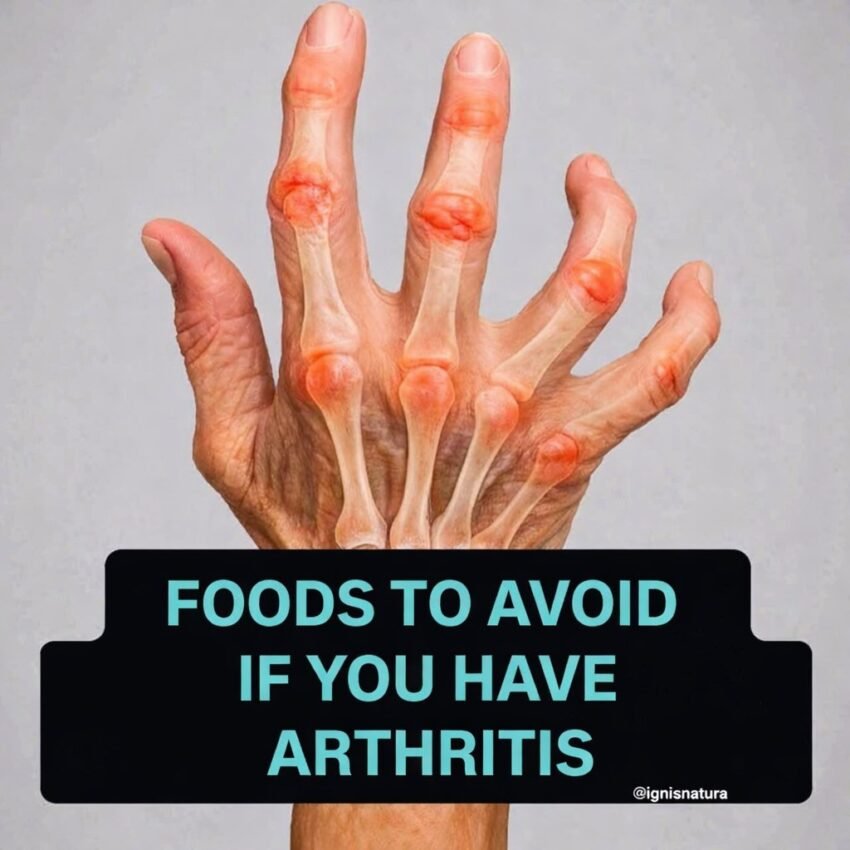
10 Foods to Avoid to Prevent and Relieve Arthritis Symptoms
Discover 10 foods that may trigger or worsen arthritis symptoms. Learn which foods to avoid to reduce inflammation and protect joint health naturally.
Introduction
Arthritis affects millions of people in the United States, causing joint pain, stiffness, and inflammation that can interfere with daily life. While medications and exercise play a key role in managing symptoms, diet also has a significant impact on how your joints feel.
Some foods can aggravate inflammation, while others may help reduce it. Avoiding certain inflammatory foods can help prevent flare-ups, relieve pain, and protect long-term joint health.
Here’s a list of 10 foods to limit or avoid if you want to support arthritis management.
1. Processed and Red Meats
Processed meats like bacon, sausage, and deli meats contain high levels of saturated fats and additives that can trigger inflammation.
Red meats, when consumed in excess, may also contribute to joint inflammation due to high levels of arachidonic acid, a fatty acid linked to pro-inflammatory pathways.
Tip: Choose lean meats, poultry, or plant-based proteins instead.
2. Sugary Foods and Beverages
Foods high in sugar, such as candies, pastries, and sugary drinks, can increase C-reactive protein (CRP), a marker of inflammation in the body.
Tip: Swap sugary drinks for water, herbal teas, or infused water to reduce inflammatory load.
3. Refined Carbohydrates
White bread, pasta, and pastries made from refined flour can spike blood sugar, which may trigger inflammation and worsen arthritis symptoms.
Tip: Opt for whole grains like oats, brown rice, and quinoa.
4. Fried and Fast Foods
Fried foods are often high in trans fats, which are linked to increased inflammation and joint pain. Fast-food meals can also contain high sodium levels, which may contribute to swelling.
Tip: Bake, grill, or steam foods instead of frying.
5. Alcohol
Excessive alcohol can increase uric acid levels, contributing to gout flare-ups — a type of inflammatory arthritis. Alcohol can also interfere with medications used to manage arthritis symptoms.
Tip: Limit alcohol or choose moderation-friendly options like a glass of red wine occasionally.
6. Dairy Products (for Some People)
Some people with arthritis notice that high-fat dairy products like whole milk, cheese, or cream worsen joint pain due to certain proteins that may trigger inflammation.
Tip: Opt for low-fat or plant-based alternatives if dairy seems to aggravate symptoms.
7. Nightshade Vegetables (for Sensitive Individuals)
Vegetables like tomatoes, potatoes, peppers, and eggplants contain alkaloids that may worsen inflammation in sensitive individuals.
Tip: Monitor your symptoms and reduce nightshades only if you notice flare-ups.
8. Artificial Additives
Foods with artificial sweeteners, preservatives, and flavor enhancers may contribute to low-grade inflammation over time.
Tip: Read labels carefully and focus on whole, minimally processed foods.
9. Salt and High-Sodium Foods
High sodium intake can cause fluid retention, which may worsen joint swelling and stiffness in people with arthritis.
Tip: Limit canned soups, salty snacks, and processed foods. Use herbs and spices for flavor instead of salt.
10. Vegetable Oils High in Omega-6
Some vegetable oils, like corn oil, sunflower oil, and soybean oil, are high in omega-6 fatty acids, which can promote inflammation when consumed excessively.
Tip: Replace with anti-inflammatory fats such as olive oil, avocado, or fatty fish rich in omega-3s.
Practical Tips for an Anti-Inflammatory Diet
-
Fill half your plate with vegetables and fruits
-
Include lean proteins and omega-3 rich foods like salmon, flax, or chia seeds
-
Choose whole grains over refined grains
-
Stay hydrated with water and herbal teas
-
Avoid trigger foods consistently and monitor your symptoms
Conclusion
Arthritis flare-ups don’t just come from overuse or aging — diet plays a critical role in managing inflammation and joint pain.
By avoiding processed meats, sugary foods, refined carbs, fried foods, alcohol, and other inflammatory foods, you can support joint health, reduce swelling, and improve overall comfort.
Adopting an anti-inflammatory diet alongside exercise, proper rest, and medical guidance can help you live more comfortably and protect your joints for the long term.
Eliminating or reducing inflammatory foods while focusing on nutrient-rich, anti-inflammatory choices is one of the most effective lifestyle strategies for arthritis management. Your joints—and your daily comfort—will thank you.