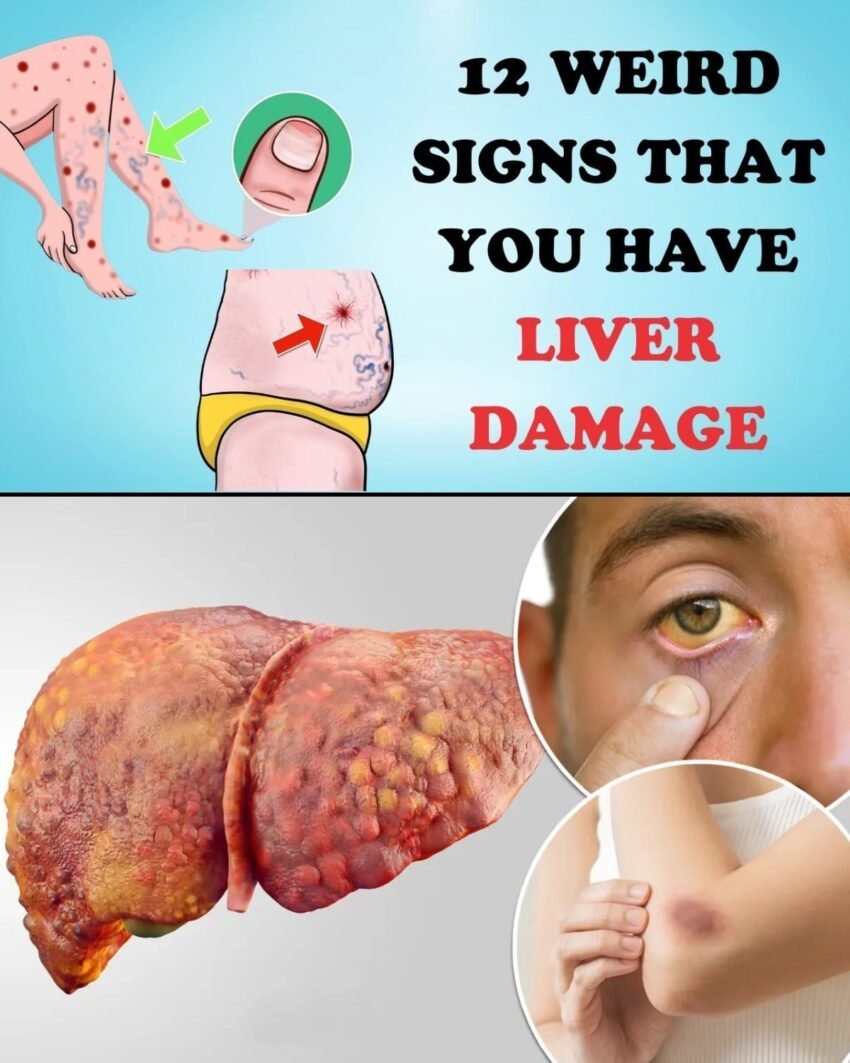
12 Unusual Warning Signs Your Liver Might Be Struggling (And Why You Shouldn’t Ignore Them)
Discover 12 unusual warning signs your liver may be struggling. Learn what they mean, when to act, and how to protect your liver health.
Your liver doesn’t complain loudly.
It doesn’t send sharp pain the way a broken bone does. It doesn’t create instant, dramatic symptoms like a heart attack. In fact, your liver can be under serious stress for months — even years — before you realize something isn’t right.
And that’s exactly what makes it dangerous.
In the United States, liver disease is quietly rising. According to the CDC, chronic liver disease is a leading cause of death among adults aged 25–64. Non-alcoholic fatty liver disease (NAFLD) alone affects an estimated 1 in 4 Americans — many of whom have no idea.
This article walks you through 12 unusual warning signs your liver might be struggling — the subtle clues most people dismiss. You’ll also learn:
-
Why these signs happen
-
When to see a doctor
-
Practical steps to protect your liver
-
Common mistakes Americans make
-
Expert-level tips most people don’t know
Let’s start with what your liver actually does — and why it matters more than you think.
Why Your Liver Is One of the Most Important Organs in Your Body
Your liver is your body’s detox command center.
It performs over 500 functions, including:
-
Filtering toxins from blood
-
Processing medications
-
Breaking down alcohol
-
Regulating cholesterol
-
Managing blood sugar
-
Producing bile for digestion
-
Storing vitamins and minerals
When your liver struggles, your whole system feels it — digestion, skin, hormones, energy levels, even brain clarity.
And here’s the part most Americans don’t realize:
Early liver stress often shows up in subtle, unrelated ways.
12 Unusual Warning Signs Your Liver Might Be Struggling
These are not the obvious late-stage symptoms like severe jaundice or intense abdominal swelling. These are the quieter, early signals.
1. Persistent Itchy Skin (Without a Rash)
If your skin feels chronically itchy — especially at night — and there’s no visible rash, your liver may be involved.
Why it happens:
When bile flow is impaired, bile salts can build up under the skin. This can cause deep, persistent itching.
Red flags:
-
Worse itching on palms and soles
-
No relief from lotion
-
No allergy trigger
Many people assume dry winter air is the cause. Sometimes it is. But if it lingers, it’s worth investigating.
2. Easy Bruising
Notice unexplained bruises on your arms or legs?
The liver produces clotting proteins. When liver function declines, blood may not clot efficiently.
If you’re bruising more easily than usual — and you’re not on blood thinners — don’t ignore it.
3. Brain Fog and Memory Lapses
Ever feel mentally “off” for no clear reason?
In more advanced liver dysfunction, toxins like ammonia can build up in the bloodstream, affecting brain function — a condition known as hepatic encephalopathy.
Early signs may include:
-
Poor concentration
-
Mood changes
-
Forgetfulness
-
Slow reaction time
If this is combined with fatigue, it deserves attention.
4. Unusual Fatigue That Doesn’t Improve With Rest
This isn’t just “I stayed up too late.”
Liver-related fatigue feels deep and unrelenting.
Why?
Your liver plays a key role in energy metabolism and detoxification. When it’s overloaded, your energy systems struggle.
If you’re sleeping 7–8 hours and still waking up exhausted for weeks, it’s worth a conversation with your doctor.
5. Dark Urine (Even When Hydrated)
If your urine is consistently dark — tea or cola colored — despite drinking enough water, that can signal elevated bilirubin levels.
This may indicate impaired bile processing.
Always rule out dehydration first. But if hydration doesn’t fix it, get labs done.
6. Pale or Clay-Colored Stools
Healthy bile gives stool its normal brown color.
If your stool becomes pale, gray, or clay-like, it could signal blocked bile flow.
This symptom should not be ignored — especially if paired with abdominal discomfort.
7. Hormonal Imbalances
The liver helps metabolize hormones — including estrogen and testosterone.
When liver function declines, you may notice:
-
Irregular periods
-
Increased PMS symptoms
-
Low libido
-
Gynecomastia (breast tissue enlargement in men)
Many Americans treat hormonal symptoms in isolation without considering liver health.
8. Swelling in Legs or Ankles
Fluid retention (edema) can happen when the liver fails to produce enough albumin, a protein that keeps fluid in the bloodstream.
If you press your ankle and it leaves a dent (pitting edema), talk to your healthcare provider.
9. Frequent Nausea or Loss of Appetite
Mild but persistent nausea can signal impaired bile production and toxin buildup.
Many people attribute this to stress or diet.
If it becomes ongoing — especially combined with fatigue — it warrants testing.
10. Spider-Like Blood Vessels on Skin
Small red, spider-shaped capillaries (spider angiomas) can appear on the chest, neck, or face.
They’re linked to estrogen imbalance from impaired liver function.
A few isolated ones may be harmless. Multiple clusters can be a sign.
11. Sudden Sensitivity to Alcohol
If one glass of wine now makes you feel sick or unusually hungover, your liver may be struggling to process alcohol.
This is a common early clue in non-alcoholic fatty liver disease as well.
12. Right Upper Abdominal Discomfort
A dull ache under your right rib cage shouldn’t be ignored.
It may indicate inflammation or enlargement of the liver.
Not sharp pain — more like pressure or fullness.
Why Liver Health Is a Growing Concern in the United States
Several lifestyle factors are driving liver stress:
-
Processed foods high in fructose
-
Sedentary jobs
-
Obesity rates
-
High alcohol consumption
-
Over-the-counter medication overuse (especially acetaminophen)
According to the CDC and research from institutions like Harvard Medical School, non-alcoholic fatty liver disease is now one of the fastest-growing causes of liver transplants in America.
What makes this alarming?
Most people have no symptoms until the damage is advanced.
When Should You See a Doctor?
Seek medical evaluation if:
-
Symptoms persist longer than 2–3 weeks
-
Multiple signs appear together
-
You have risk factors (obesity, diabetes, high cholesterol)
-
You drink alcohol regularly
-
You have a family history of liver disease
Common tests include:
-
Liver function blood tests (ALT, AST, bilirubin)
-
Ultrasound
-
FibroScan
-
MRI in advanced cases
Early detection dramatically improves outcomes.
Step-by-Step: How to Protect Your Liver Starting Today
Step 1: Reduce Added Sugars
High-fructose corn syrup is strongly linked to fatty liver.
Check labels. Cut sugary beverages first.
Step 2: Limit Alcohol
Follow CDC guidelines:
-
Women: Up to 1 drink per day
-
Men: Up to 2 drinks per day
Less is better if you already have symptoms.
Step 3: Move Daily
Even 30 minutes of brisk walking improves liver fat metabolism.
Step 4: Prioritize Protein and Fiber
Support blood sugar stability.
Step 5: Avoid Unnecessary Supplements
Some herbal supplements marketed for “detox” can damage the liver.
Always verify with your healthcare provider.
Mini Case Example
A 42-year-old office worker in Texas experienced persistent fatigue and itching for months. She blamed stress.
Routine labs revealed elevated liver enzymes and early fatty liver disease.
After 6 months of dietary changes and moderate weight loss, her liver enzymes normalized.
Early action changed her trajectory.
Pros and Cons of Early Liver Screening
| Pros | Cons |
|---|---|
| Early detection | Insurance variability |
| Prevents progression | Mild anxiety from testing |
| Simple blood tests | May require follow-up imaging |
| Improves long-term health | Lifestyle changes required |
The benefits far outweigh the drawbacks.
Common Mistakes Americans Make
-
Assuming fatigue is “just aging”
-
Overusing pain relievers
-
Relying on detox teas
-
Ignoring subtle skin changes
-
Waiting until symptoms are severe
Expert Tips Most People Don’t Know
-
Coffee (2–3 cups daily) has been associated with improved liver outcomes in multiple studies.
-
Strength training improves insulin sensitivity, which protects liver tissue.
-
Sleep deprivation worsens fatty liver progression.
-
Rapid crash dieting can temporarily worsen liver inflammation.
Future Outlook (2025 and Beyond)
The medical community is increasingly focused on metabolic liver disease.
New medications are being developed to target fatty liver specifically.
Routine screening may become more common as awareness grows.
The takeaway?
Liver health is becoming a national priority.
Frequently Asked Questions
1. Can liver damage be reversed?
Early-stage fatty liver often can be reversed with lifestyle changes. Advanced cirrhosis usually cannot.
2. How long can you have liver disease without knowing?
Years. That’s why subtle symptoms matter.
3. Is liver pain constant?
Often dull and intermittent, not sharp.
4. Does drinking water detox your liver?
Water supports overall health, but your liver detoxes itself naturally.
5. Can skinny people get fatty liver?
Yes. It’s called “lean NAFLD.”
6. Are liver cleanses safe?
Many are unregulated and unnecessary.
7. What blood tests show liver problems?
ALT, AST, bilirubin, ALP, and albumin.
8. Is coffee good for the liver?
Research suggests moderate coffee intake may be protective.
9. When should I worry about itching?
If persistent without rash and paired with fatigue or dark urine.
Action Checklist
✔ Monitor unusual fatigue
✔ Check for persistent itching
✔ Watch urine and stool color
✔ Limit alcohol
✔ Reduce sugar
✔ Move daily
✔ Get routine labs annually
✔ Avoid unverified detox supplements
✔ Consult a doctor if symptoms persist
Your liver is resilient — but not invincible.
The scariest thing about liver disease isn’t dramatic symptoms. It’s silence.
Small, unusual changes in your body may be early whispers asking for attention.
Listen early.
Act early.
If this article helped you connect dots you hadn’t considered, share it with someone who might need it. Drop a comment below with questions or experiences — your story could help someone else recognize their own warning signs.
Your liver works hard for you every single day.
The least we can do is return the favor.