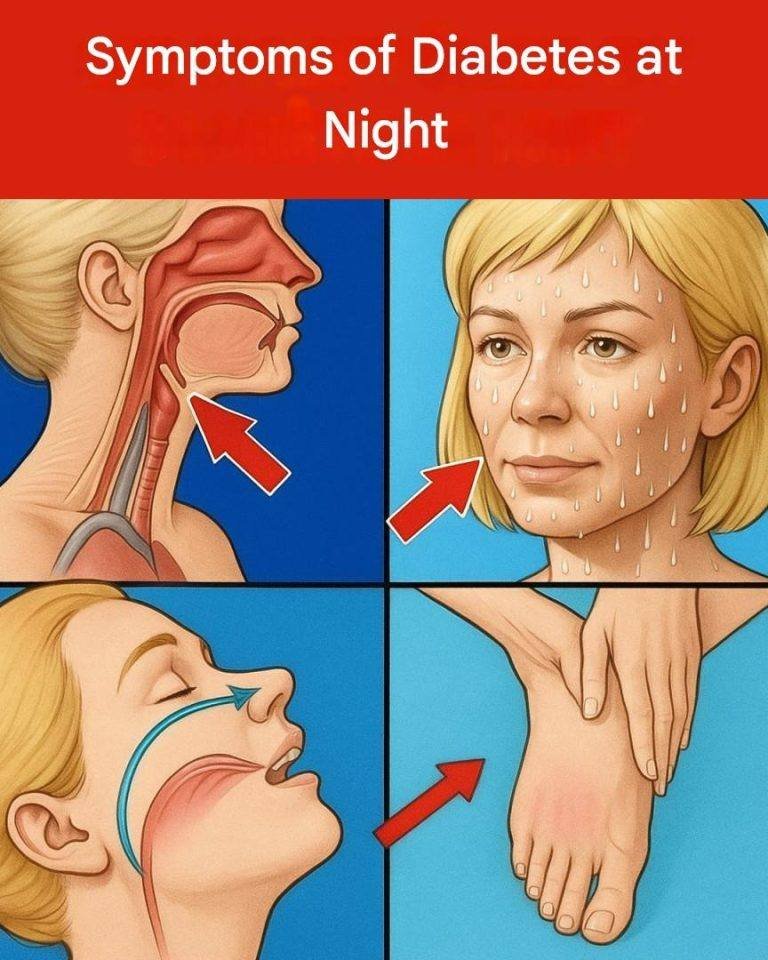
5 Diabetes Symptoms That Appear at Night — What Your Body Is Trying to Tell You
Struggling with unusual night time symptoms? Discover 5 diabetes warning signs that often appear at night and what you should do about them.
When Nighttime Symptoms Signal Something Serious
Do you ever wake up sweating, anxious, or with a racing heart?
Or maybe you notice unusual thirst or frequent trips to the bathroom after dark.
While occasional disruptions in sleep are normal, certain symptoms appearing at night could signal undiagnosed or poorly managed diabetes. Recognizing these early can make a huge difference in prevention and treatment.
Here are 5 diabetes-related signs that often show up at night — and what to do about them.
1. Frequent Urination (Nocturia)
One of the most common nighttime signs is waking up multiple times to urinate.
Why it happens:
-
High blood sugar forces your kidneys to remove excess glucose through urine
-
This increases urine volume, especially at night
Clues you might be experiencing this:
-
Waking 2–3+ times per night to pee regularly
-
Feeling dehydrated upon waking
-
Noticeable increase in overall urination during the day
2. Night Sweats
Waking up drenched in sweat could signal low or fluctuating blood sugar.
Possible causes in diabetes:
-
Hypoglycemia from insulin or oral medications
-
Blood sugar swings during sleep
-
Hormonal responses affecting metabolism
Tips:
-
Track your blood sugar before bed
-
Keep a small snack handy if prone to nighttime hypoglycemia
-
Discuss patterns with your doctor
3. Restless or Troubled Sleep
Diabetes can disrupt sleep in several ways:
-
Nerve damage (diabetic neuropathy) may cause tingling, burning, or pain in the feet or legs at night
-
High blood sugar may trigger frequent urination or thirst
-
Low blood sugar may cause vivid dreams, sweating, or anxiety
Symptoms to notice:
-
Tossing and turning nightly
-
Waking with tingling or burning sensations
-
Feeling unrested despite enough hours of sleep
4. Unexplained Nighttime Hunger
Some people with diabetes wake up feeling extremely hungry even after dinner.
Why this happens:
-
Blood sugar drops too low during the night
-
Insulin or medications overshoot, causing hypoglycemia
-
Body signals for energy by triggering hunger
What to do:
-
Keep blood sugar within target range
-
Consider a small bedtime snack if recommended by your doctor
5. Nighttime Headaches or Blurred Vision
High blood sugar can lead to fluid shifts, affecting your eyes and brain.
Common nighttime signs:
-
Headaches upon waking
-
Blurry vision at night
-
Feeling disoriented or fatigued
These symptoms may indicate prolonged hyperglycemia or rapid changes in blood sugar overnight.
When to Seek Medical Advice
You should contact a healthcare professional if:
-
Nighttime symptoms occur regularly
-
You experience frequent thirst, fatigue, or blurred vision
-
You have a family history of diabetes
-
Symptoms interfere with sleep or daily activities
Early detection can prevent complications and improve long-term health outcomes.
Lifestyle Tips for Nighttime Blood Sugar Control
-
Monitor glucose levels before bedtime
-
Eat balanced dinners with protein and fiber
-
Stay hydrated but avoid excessive liquids right before bed
-
Limit late-night sugary snacks
-
Maintain a consistent sleep schedule
Mini Case Example
Jennifer, 48, was waking 3–4 times per night to urinate and noticed persistent thirst.
After checking her blood sugar, she was diagnosed with type 2 diabetes. With lifestyle adjustments, medication, and monitoring:
-
Nighttime urination decreased
-
Energy levels improved
-
Sleep quality returned
Recognizing early nighttime symptoms changed her health trajectory.
Quick Checklist
✔ Track nighttime urination frequency
✔ Note sweating, hunger, or headaches at night
✔ Monitor blood sugar before bed
✔ Adjust meals and snacks under doctor guidance
✔ Schedule a medical evaluation if patterns persist
Nighttime symptoms can be more than just an inconvenience — they may be an early warning of diabetes.
Key takeaway: Pay attention to your body at night. Early detection and intervention can prevent serious complications and improve quality of life.
If you recognize these signs in yourself or a loved one, seek professional evaluation promptly. Sleep well and stay vigilant — your body is trying to tell you something important.