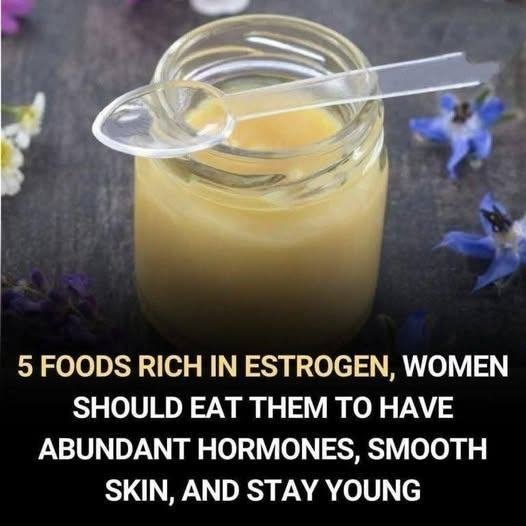
5 Foods High in Estrogen: What Doctors Want You to Know Before You Add Them to Your Diet
Discover 5 estrogen-rich foods, how they affect your body, and what doctors say about benefits, risks, and safe daily consumption.
Hormones influence nearly everything—your energy, mood, metabolism, and even how you sleep. And among them, estrogen plays a major role for both women and men.
So when people hear about “foods high in estrogen,” curiosity spikes fast. Can what you eat really affect your hormone levels? Should you be adding these foods—or avoiding them?
Here’s the truth: certain foods contain phytoestrogens, plant compounds that mimic estrogen in the body. But the effects are subtle, complex, and often misunderstood.
This guide breaks down the top 5 foods high in estrogen-like compounds, what doctors actually say, and how to use them safely in a balanced American diet.
What Does “Estrogen in Food” Really Mean?
Before diving into the list, let’s clear up a common misconception.
Foods don’t usually contain human estrogen. Instead, they contain phytoestrogens—natural plant compounds that can weakly bind to estrogen receptors.
Doctors emphasize:
👉 These compounds are much weaker than the body’s natural estrogen.
That means they can:
- Slightly influence hormone activity
- Support balance in some cases
- Have minimal effect in others
Why This Matters in the United States
Interest in estrogen-rich foods is growing across the U.S. due to:
- Menopause symptom management
- Hormonal balance awareness
- Plant-based diet trends
- Concerns about hormone-related conditions
Understanding how these foods actually work helps avoid misinformation—and unnecessary fear.
1. Soy Products (The Most Studied Source)
Soy is the gold standard when it comes to phytoestrogens, specifically isoflavones.
Common soy foods include:
- Tofu
- Soy milk
- Edamame
- Tempeh
What Doctors Say
Soy has been extensively studied, and most experts agree:
- Moderate consumption is safe for most people
- It may help reduce menopause symptoms
- It does not significantly raise estrogen levels in a harmful way
Real-Life Use
Many women in the U.S. incorporate soy into smoothies or meals for its potential hormone-balancing effects.
2. Flaxseeds (A Powerful Plant Source)
Flaxseeds are rich in lignans, another type of phytoestrogen.
Benefits
- Supports heart health
- Provides fiber
- May help with mild hormonal balance
How to Use
- Add ground flaxseed to oatmeal
- Blend into smoothies
- Sprinkle over yogurt
Doctor Insight
Flaxseeds are often recommended for overall wellness—not just hormone support.
3. Sesame Seeds
Often overlooked, sesame seeds also contain lignans and phytoestrogens.
Why They Matter
- Easy to add to meals
- Provide healthy fats
- Support overall nutrition
Practical Example
Adding sesame seeds to salads or stir-fries is a simple way to increase intake without major diet changes.
4. Chickpeas and Legumes
Chickpeas, lentils, and beans contain mild phytoestrogen activity.
Benefits
- High in protein
- Rich in fiber
- Support stable blood sugar
Doctor Perspective
Legumes are recommended more for overall health benefits than for estrogen effects alone.
5. Dried Fruits (Especially Apricots and Dates)
Certain dried fruits contain small amounts of phytoestrogens.
Why Include Them
- Convenient snack
- Natural sweetness
- Contains vitamins and minerals
Caution
They are also high in sugar, so moderation is key.
How These Foods Actually Affect Your Body
Doctors emphasize a critical point:
👉 Phytoestrogens don’t act like strong hormones—they modulate, not override.
This means they may:
- Help balance low estrogen levels
- Compete with stronger estrogens in the body
- Have neutral effects depending on the individual
Pros and Cons of Estrogen-Rich Foods
| Pros | Cons |
|---|---|
| May support hormonal balance | Effects are mild and vary |
| Rich in nutrients and fiber | Overconsumption can lead to imbalance |
| Linked to heart health benefits | Misunderstood and often overhyped |
Common Mistakes People Make
- Assuming these foods dramatically increase estrogen
- Overeating soy or supplements
- Ignoring overall diet balance
- Believing myths about hormone disruption
Expert Tips Most People Don’t Know
- Whole foods are better than supplements for phytoestrogens
- Consistency matters more than quantity
- Combining these foods with a balanced diet enhances benefits
Real-World Scenario
Lisa, a 52-year-old in California, began adding soy milk and flaxseed to her diet during menopause.
After a few months, she noticed:
- Reduced hot flashes
- Improved digestion
- Better overall energy
Her doctor emphasized that the improvements likely came from overall dietary changes—not just estrogen effects alone.
2026 Nutrition Trend Insight
In the U.S., estrogen-related nutrition is shifting toward:
- Food-first approaches instead of supplements
- Personalized nutrition plans
- Greater focus on gut health and hormones
Experts are moving away from “quick fixes” and toward sustainable habits.
Frequently Asked Questions
1. Do these foods increase estrogen levels?
They may influence estrogen activity slightly, but not dramatically.
2. Are they safe for men?
Yes, moderate intake is safe and does not feminize the body.
3. Can they help with menopause symptoms?
Some women report relief, especially with soy.
4. Should I avoid soy?
Most people don’t need to avoid it unless advised by a doctor.
5. Are supplements better than food?
No, whole foods are generally safer and more effective.
6. How much is too much?
Moderation is key—extreme intake is unnecessary.
7. Do they affect weight?
Not directly; overall calorie intake matters more.
8. Can they prevent hormone-related diseases?
They may support health, but they’re not a guaranteed prevention tool.
Action Checklist
- ✅ Include a variety of phytoestrogen-rich foods
- ✅ Focus on whole, minimally processed options
- ✅ Maintain a balanced diet
- ✅ Avoid overconsumption or reliance on one food
- ✅ Consult a doctor for hormone-related concerns
Conclusion
Foods high in estrogen-like compounds aren’t magic—but they’re not harmful either.
When used wisely, they can be part of a balanced, nutrient-rich diet that supports overall health and, in some cases, gentle hormonal balance.
The key is understanding their role: supportive, not transformative.
Phytoestrogen-rich foods can complement your health—but real hormone balance comes from a complete, well-rounded lifestyle.
Have you tried adding any of these foods to your diet? Did you notice any changes? Share your experience and join the conversation—your story might help someone make a smarter health choice.