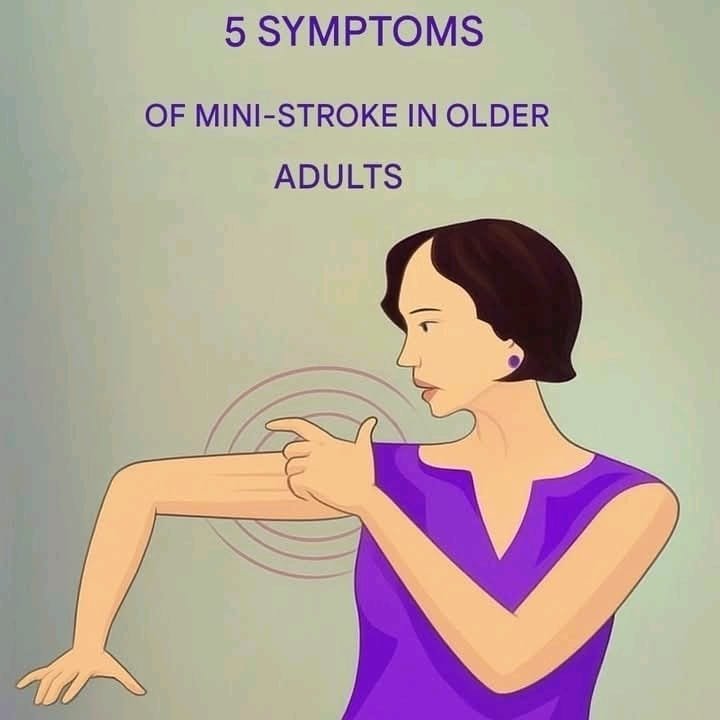
5 Symptoms of a Mini Stroke in Seniors That Shouldn’t Be Ignored
Learn the top 5 warning signs of a mini stroke in seniors. Early recognition can prevent serious complications—know what to watch for.
Introduction
Mini strokes, also known as transient ischemic attacks (TIAs), are brief episodes of stroke-like symptoms that often last only a few minutes. While they may seem minor, they are a serious warning sign of potential major strokes, especially in seniors.
Recognizing these symptoms early can save lives. In this article, you’ll learn the 5 key signs of a mini stroke in seniors, what they mean, and why immediate medical attention is critical.
What is a Mini Stroke?
A mini stroke occurs when blood flow to a part of the brain is temporarily blocked, usually by a blood clot. Unlike a major stroke, the blockage resolves quickly, often leaving no permanent damage.
However, a TIA is a major red flag: studies show that up to 1 in 3 people who experience a TIA may suffer a full stroke within a year if untreated.
5 Symptoms of a Mini Stroke in Seniors
1. Sudden Weakness or Numbness
-
Where: Usually affects the face, arm, or leg on one side of the body.
-
What to watch for: Drooping facial muscles, inability to lift an arm fully, or numbness in a hand or leg.
-
Why it matters: Indicates the part of the brain controlling movement may be temporarily deprived of oxygen.
2. Trouble Speaking or Understanding Speech
-
Symptoms: Slurred words, difficulty forming sentences, or trouble understanding others.
-
Example: A senior may try to answer a simple question but struggle to find the right words.
-
Importance: This signals possible disruption in the brain’s language centers.
3. Sudden Vision Changes
-
Symptoms: Blurred vision, double vision, or sudden loss of vision in one eye.
-
Cause: Temporary blockage in arteries supplying the eyes or visual centers of the brain.
-
Tip: Even brief vision problems should prompt urgent evaluation.
4. Severe Dizziness or Loss of Balance
-
Symptoms: Trouble walking, unsteady posture, vertigo, or sudden falls.
-
Reason: TIAs affecting the cerebellum or inner ear pathways can impair balance.
-
Action: Any unexplained dizziness in seniors warrants immediate medical attention.
5. Sudden Severe Headache
-
Symptoms: Sudden, intense headache unlike usual headaches, sometimes accompanied by nausea or confusion.
-
Caution: Headaches associated with TIAs are less common but can indicate a vascular issue in the brain.
Key point: These symptoms often resolve within minutes to an hour, but even temporary signs require urgent medical evaluation.
Risk Factors in Seniors
Seniors are particularly vulnerable due to:
-
High blood pressure
-
Diabetes
-
High cholesterol
-
Atrial fibrillation (irregular heartbeat)
-
Smoking or excessive alcohol use
-
Family history of strokes
Managing these risk factors can dramatically reduce the likelihood of both TIAs and full strokes.
When to Call 911
Use the FAST acronym for quick recognition:
-
F – Face: Drooping on one side
-
A – Arms: Weakness or numbness
-
S – Speech: Slurred or confusing words
-
T – Time: Act immediately
Even if symptoms disappear, call 911 or seek emergency care. Time is critical—early treatment can prevent major strokes.
Prevention Tips for Seniors
-
Regular Checkups – Monitor blood pressure, cholesterol, and heart health.
-
Healthy Diet – Emphasize fruits, vegetables, whole grains, and lean proteins.
-
Exercise – Moderate activity improves circulation and heart health.
-
Medications – Take prescribed blood thinners or antihypertensives consistently.
-
Lifestyle Changes – Quit smoking, limit alcohol, manage stress.
FAQs About Mini Strokes in Seniors
Q1: Can a mini stroke happen more than once?
A1: Yes, multiple TIAs can occur and increase the risk of a full stroke.
Q2: How quickly should a TIA be treated?
A2: Immediately—ideally within 24 hours of symptom onset.
Q3: Do mini strokes leave permanent damage?
A3: Usually not, but repeated TIAs can cause lasting cognitive issues if untreated.
Q4: Can medications prevent a full stroke after a TIA?
A4: Yes, anticoagulants and antiplatelet drugs can significantly reduce risk.
Q5: Are TIAs painful?
A5: Most symptoms are painless except possibly for sudden headaches or dizziness.
Q6: Can seniors mistake TIA symptoms for normal aging?
A6: Unfortunately, yes. That’s why awareness is critical—any sudden neurological change is a red flag.
Q7: Is hospital evaluation necessary even if symptoms vanish?
A7: Absolutely—diagnostic imaging and lab tests are essential to prevent future strokes.
Q8: Can diet alone prevent mini strokes?
A8: Diet helps, but medications, lifestyle changes, and regular monitoring are also vital.
Conclusion
Mini strokes in seniors are often brief, but they are serious warning signs that should never be ignored. Recognizing symptoms like sudden weakness, speech trouble, vision changes, dizziness, and severe headaches—and acting quickly—can prevent major strokes and save lives.
Encourage seniors to monitor risk factors, maintain regular checkups, and respond immediately to warning signs. Share this information with loved ones—it could make the difference between a warning and a full-blown stroke.