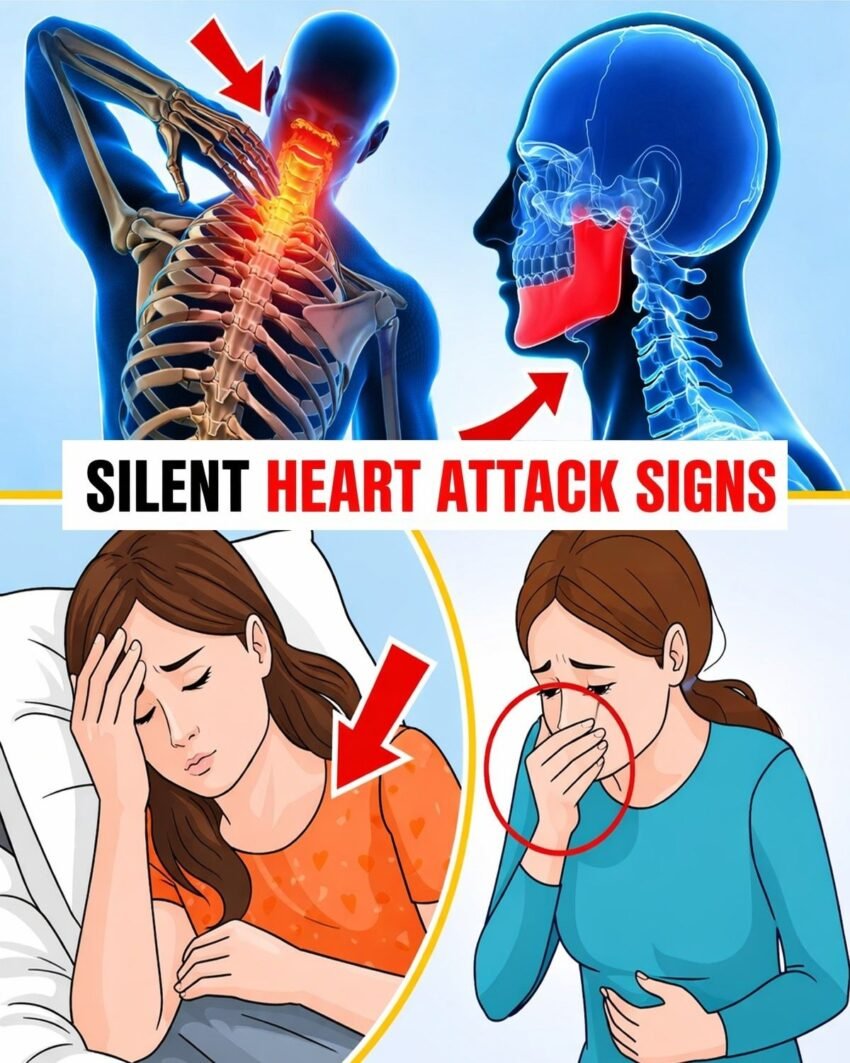
6 Silent Heart Attack Signs Most People Always Ignore (And Why You Shouldn’t)
Silent heart attacks are real and dangerous. Learn 6 often-overlooked warning signs, backed by expert insights, to protect your heart before it’s too late.
Introduction
Heart attacks are terrifying—but what if one happened without the classic crushing chest pain?
Silent heart attacks, sometimes called “silent MIs,” often fly under the radar. In the United States, research shows that nearly 45% of heart attacks go unnoticed at first. The danger is real: ignoring subtle warning signs can lead to serious complications or even sudden cardiac death.
This guide highlights 6 warning signs of a silent heart attack that are frequently ignored, why they matter, and what steps you can take to protect yourself.
What Is a Silent Heart Attack?
A silent heart attack occurs when the blood flow to part of the heart is blocked, but the symptoms are mild, unusual, or absent. Unlike classic heart attacks:
- Pain may be minimal or absent
- Symptoms may feel like indigestion, fatigue, or general discomfort
- Many people don’t seek treatment until after complications arise
Because they’re “silent,” these heart attacks are often diagnosed later via ECGs or heart imaging, sometimes after permanent heart damage has occurred.
6 Silent Heart Attack Signs Often Ignored
1. Unexplained Fatigue
Feeling unusually tired for days or weeks without clear reason can be a warning sign of reduced blood flow to the heart.
- Subtle, persistent exhaustion
- Feeling winded doing simple tasks
- Sleep doesn’t refresh you
Why it matters: Fatigue is one of the most common silent heart attack indicators in older adults, particularly women.
2. Mild or Unusual Chest Discomfort
You may not feel crushing chest pain—but look for:
- Tightness, pressure, or burning sensation in the chest
- Pain that comes and goes
- Discomfort radiating to shoulders, jaw, or back
Pro tip: Don’t dismiss vague chest sensations, especially if accompanied by other symptoms.
3. Shortness of Breath
Even without chest pain, difficulty breathing can signal the heart isn’t pumping efficiently.
- Feeling winded walking up a flight of stairs
- Needing to catch your breath during light activity
- Trouble sleeping lying flat
Insight: Women are more likely than men to experience shortness of breath as a primary silent heart attack symptom.
4. Nausea or Indigestion-Like Sensations
Silent heart attacks often mimic gastrointestinal issues:
- Upset stomach, bloating, or gas
- Feeling like you need to vomit
- Heartburn that doesn’t respond to typical remedies
Why it’s dangerous: Mistaking heart-related nausea for digestive problems delays critical care.
5. Lightheadedness or Dizziness
When your heart struggles to pump blood effectively, it can trigger:
- Dizziness or fainting spells
- Feeling weak or unsteady
- Momentary confusion
Important note: These symptoms are especially critical in older adults or those with high blood pressure.
6. Cold Sweats
Sudden, unexplained sweating—often described as clammy skin—can be a sign of a silent heart attack.
- Occurs at rest, not from heat or exercise
- May accompany other subtle signs like fatigue or nausea
- Often overlooked because it’s brief or mild
Reality check: Even without chest pain, cold sweats paired with other subtle symptoms should prompt medical attention.
Why Silent Heart Attacks Are Frequently Missed
Several factors contribute to misdiagnosis or delayed treatment:
- Symptoms mimic less serious conditions (indigestion, stress, flu)
- Gender differences: Women often experience atypical symptoms
- Age factors: Older adults may attribute signs to aging
- Lack of awareness about silent heart attacks in U.S. health culture
Who Is at Higher Risk?
Risk factors include:
- High blood pressure
- High cholesterol
- Diabetes
- Smoking
- Obesity
- Family history of heart disease
Even people with no obvious risk factors can experience a silent heart attack, which makes awareness vital.
Immediate Steps if You Suspect a Silent Heart Attack
- Seek medical attention immediately – Call 911 if symptoms are sudden or severe
- Do not drive yourself – EMS can provide lifesaving interventions
- Chew aspirin if advised by your doctor – Helps reduce blood clotting
- Monitor your symptoms – Document frequency, duration, and intensity
- Avoid self-diagnosis – Many symptoms overlap with other conditions
Long-Term Heart Protection Tips
- Schedule regular heart checkups and screenings
- Manage blood pressure, cholesterol, and blood sugar
- Maintain a balanced diet rich in fruits, vegetables, and whole grains
- Exercise regularly, aiming for 150 minutes per week
- Quit smoking and limit alcohol
- Manage stress with mindfulness, yoga, or therapy
Mini Case Example
John, 52, from Chicago:
John felt mild fatigue and occasional dizziness for months, but dismissed it as work stress. After fainting at home, an ECG revealed he had a silent heart attack weeks prior. He began treatment immediately, which prevented further heart damage.
Lesson: Early recognition and prompt medical attention can save lives.
FAQs (People Also Ask)
1. Can a silent heart attack be deadly?
Yes, silent heart attacks can cause serious heart damage or sudden death if untreated.
2. How are silent heart attacks diagnosed?
Through ECGs, echocardiograms, blood tests, or cardiac imaging.
3. Can stress trigger a silent heart attack?
Extreme stress can contribute, especially in people with underlying heart conditions.
4. Are women more likely to have silent heart attacks?
Yes, women often experience atypical symptoms like fatigue and nausea.
5. Can lifestyle changes prevent them?
Absolutely—healthy diet, regular exercise, and quitting smoking reduce risk.
6. Is it possible to fully recover?
Yes, with prompt treatment and lifestyle adjustments, many patients recover and regain normal function.
7. How long do symptoms last?
Symptoms can be brief or intermittent, which is why they’re often overlooked.
8. Should I get a heart screening even if I feel fine?
Yes, especially if you have risk factors or a family history of heart disease.
Silent heart attacks are deceptively dangerous because they often show subtle, easily ignored symptoms. Recognizing fatigue, mild chest discomfort, shortness of breath, nausea, dizziness, and cold sweats can save your life or prevent severe heart damage.
Actionable step: Pay attention to your body. Don’t dismiss subtle changes—seek medical attention early. Your heart health depends on awareness and timely action.
Have you or someone you know experienced unusual heart symptoms? Share your story in the comments—it could help raise awareness and save lives.