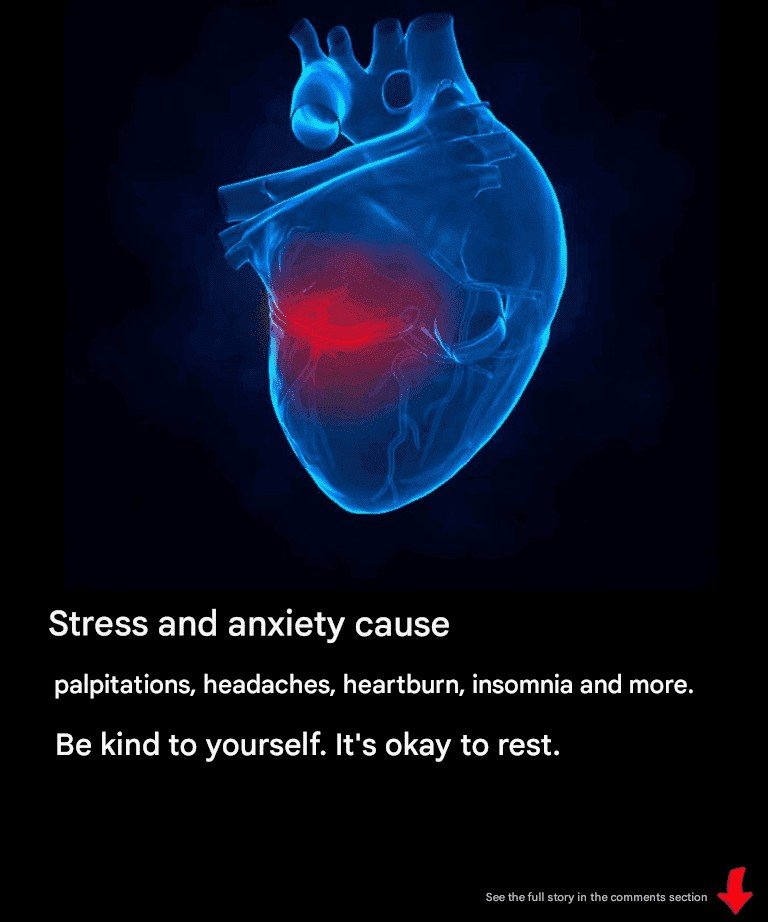
7 Surprising Symptoms Caused by Stress and Anxiety
Discover 7 common yet often overlooked symptoms of stress and anxiety. Learn how your body signals emotional strain and ways to manage it effectively.
Stress and Anxiety Affect More Than Your Mind
Stress and anxiety aren’t just “mental” issues—they impact your body in ways many people don’t realize. In the United States, millions of adults experience chronic stress, which can lead to a wide range of physical, emotional, and behavioral symptoms.
Recognizing these signs early can help you take control before they escalate into more serious health problems.
Here are 7 common symptoms caused by stress and anxiety:
1. Persistent Headaches
Tension headaches are one of the most common physical manifestations of stress.
-
Muscle tightness around the neck and shoulders
-
Increased blood pressure in response to stress hormones
-
Migraines triggered by anxiety
Frequent headaches can serve as a warning that your body is under prolonged stress.
2. Digestive Issues
Stress affects the gut more than you might expect.
-
Nausea or stomach discomfort
-
Diarrhea or constipation
-
Acid reflux or heartburn
This is because anxiety can alter digestion, increase stomach acid, and disrupt the balance of gut bacteria.
3. Sleep Disturbances
Stress and anxiety can interfere with your natural sleep cycle.
-
Difficulty falling asleep (insomnia)
-
Frequent nighttime awakenings
-
Feeling tired despite getting enough hours of sleep
Over time, poor sleep can worsen anxiety, creating a vicious cycle.
4. Muscle Tension and Pain
Your body reacts to stress by tightening muscles, often unconsciously.
-
Jaw clenching
-
Shoulder stiffness
-
Back or neck pain
Regular stretching, yoga, or massage can help relieve tension caused by stress.
5. Rapid Heartbeat or Palpitations
When stressed, your body releases adrenaline, triggering:
-
Increased heart rate
-
Palpitations or “fluttering” sensations
-
Higher blood pressure
These symptoms can feel alarming but are usually temporary unless stress becomes chronic.
6. Skin Problems
Anxiety can show up on your skin in several ways:
-
Acne breakouts
-
Eczema flare-ups
-
Rashes or hives
Stress hormones can trigger inflammation and worsen existing skin conditions.
7. Emotional Symptoms and Irritability
Stress doesn’t only affect the body—it influences mood and behavior:
-
Heightened irritability or anger
-
Difficulty concentrating
-
Feelings of overwhelm or panic
These emotional signals are just as important to recognize as physical symptoms.
Managing Stress and Anxiety
While occasional stress is normal, chronic stress requires attention. Simple strategies include:
-
Regular exercise: Walking, yoga, or cardio
-
Mindfulness practices: Meditation or deep breathing
-
Healthy diet: Limit caffeine, sugar, and processed foods
-
Adequate sleep: Maintain consistent routines
-
Social support: Talk to friends, family, or a therapist
Recognizing symptoms early allows you to act before stress affects your long-term health.
Stress and anxiety affect both body and mind, often in ways you might not immediately notice.
By identifying symptoms such as headaches, digestive issues, sleep disturbances, muscle tension, rapid heartbeat, skin problems, and irritability, you can take proactive steps to manage stress and improve overall well-being.
Pay attention to these signals, because small daily adjustments can make a huge difference in mental and physical health.