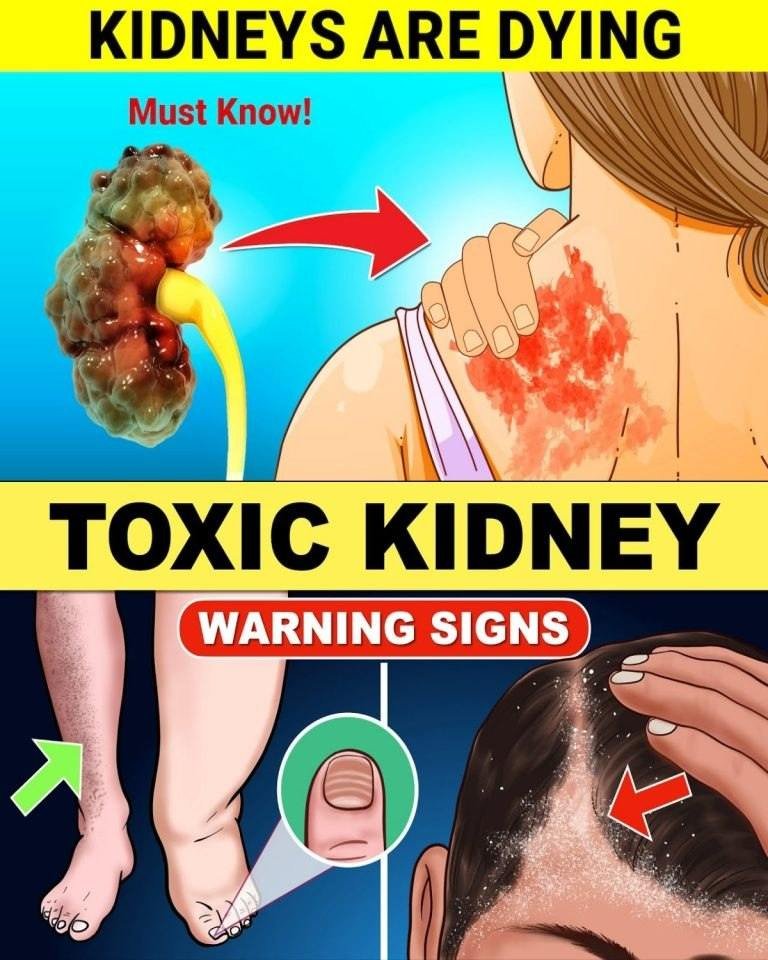
9 Warning Signs Your Kidneys Are Failing: Tests to Avoid Dialysis
Learn the early warning signs of kidney failure and the tests you can take to protect your health. Early detection can prevent dialysis and serious complications.
Introduction: Why Kidney Health Matters
Your kidneys are vital organs that filter toxins, balance fluids, and support overall health. When they begin to fail, symptoms may be subtle at first — which is why early detection is critical.
Recognizing the warning signs and acting quickly can help prevent serious complications, including dialysis.
1. Persistent Fatigue
-
Why it happens: Waste products build up in the blood, causing toxin-induced fatigue.
-
Tip: If normal rest doesn’t relieve your tiredness, it’s time for a kidney check.
2. Changes in Urination
-
Symptoms: Increased frequency, foamy urine, or difficulty urinating.
-
Why it matters: Abnormal urine patterns often indicate impaired kidney filtration.
3. Swelling (Edema)
-
Where: Hands, feet, ankles, and around the eyes.
-
Cause: Kidneys failing to remove excess fluid can lead to water retention.
4. Shortness of Breath
-
Why it happens: Fluid buildup can affect the lungs, and anemia from kidney dysfunction reduces oxygen delivery.
5. High Blood Pressure
-
Connection: Kidneys help regulate blood pressure. Damage can cause persistent hypertension, which further stresses the kidneys.
6. Nausea and Vomiting
-
Reason: Accumulation of waste in the bloodstream can irritate the stomach.
-
Tip: Don’t ignore chronic nausea, especially if accompanied by other symptoms.
7. Confusion or Difficulty Concentrating
-
Why: Toxin buildup can affect brain function, leading to mental fog or confusion.
8. Unexplained Muscle Cramps
-
Cause: Imbalances in electrolytes such as calcium and potassium due to kidney dysfunction.
9. Back Pain or Flank Discomfort
-
Location: Around the lower back or sides, near the kidneys.
-
Warning: Persistent or severe discomfort should prompt a medical evaluation.
Tests to Detect Kidney Issues Early
Early testing can prevent progression to dialysis. Doctors may recommend:
-
Blood Tests: Check creatinine and blood urea nitrogen (BUN) levels
-
Urine Tests: Detect protein or blood in urine (proteinuria or hematuria)
-
Imaging Tests: Ultrasound or CT scans to examine kidney structure
-
Glomerular Filtration Rate (GFR): Measures kidney filtration efficiency
💡 Tip: Annual kidney function tests are especially important for people with diabetes, high blood pressure, or a family history of kidney disease.
Lifestyle Habits to Protect Your Kidneys
-
Stay hydrated, but avoid excessive fluids
-
Limit salt, processed foods, and high-protein diets if recommended
-
Manage blood sugar and blood pressure
-
Exercise regularly
-
Avoid overuse of painkillers or nephrotoxic drugs
Kidney disease often develops silently, but early awareness can make all the difference. Watch for these 9 warning signs and schedule routine tests.
Acting early can prevent dialysis, protect your overall health, and improve quality of life.