The Ultimate Guide to Picking a Ripe Watermelon: Beyond the Field Spot Trick
There is almost nothing quite like slicing into a cold, crisp, perfectly sweet watermelon on a scorching summer afternoon. Yet, standing in front of a massive bin of melons at the grocery store or farmers market can feel like a high-stakes guessing game. You thump them, you heft them, and you cross your fingers, hoping you didn’t just spend hard-earned money on a pale, mealy disappointment.
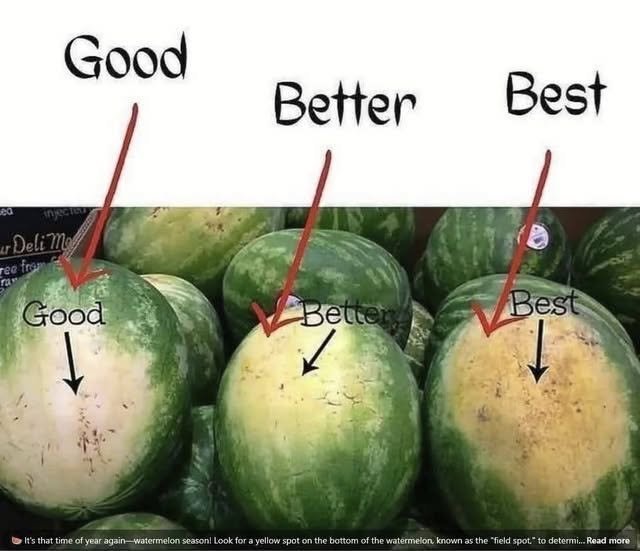
You’ve likely heard the classic golden rule of summer produce shopping: look for a yellow spot on the bottom. While that “field spot” is a legendary marker of ripeness, relying on just one visual cue isn’t always enough to guarantee absolute perfection.
Mastering the art of selecting the ultimate summer watermelon requires combining multiple agricultural and sensory indicators that never fail.
Decoding the Indicators: How to Read a Watermelon Like a Pro
Professional produce pickers and experienced farmers don’t rely on luck. They look for a specific checklist of physical maturity markers developed while the fruit sat resting on the vine.
1. The Field Spot (The Ground Spot) When a watermelon grows, it rests directly on the earth. The spot where it touches the ground receives no sunlight, meaning the skin stays pale.
-
What to look for: A creamy, deep-yellow or even buttery-orange field spot indicates that the melon sat on the vine for a long time, soaking up maximum sugar and developing optimal flavor. If the spot is stark white or pale green, the watermelon was picked prematurely and will taste bland and watery.
2. The Webbing and Sugar Scars Take a close look at the dark green stripes on the watermelon’s rind. Do you see rough, brown, web-like scarring or dark, corky patches that look like scratches?
-
What to look for: While it sounds counterintuitive, those rough, webbed spots are actually sugar veins. They indicate where bees repeatedly touched and pollinated the blossom, allowing sugary sap to leak out and crystallize. A heavily webbed watermelon is almost always intensely sweet.
3. The Stem Test (Green vs. Dry) Look at the little curly tail or stem where the watermelon was attached to the vine.
-
What to look for: A completely green, flexible stem means the fruit was harvested too early and stopped ripening prematurely. A dry, brown, corky stem indicates that the watermelon ripened fully on the vine and separated naturally when it was ready.
4. The Thump Test (The Acoustic Check) While tapping a watermelon might look like a cliché ritual, acoustics actually tell you a lot about internal density.
-
What to look for: Give the melon a firm tap with your knuckles. An unripe watermelon will produce a high-pitched, pinging sound because the flesh is dense and tightly bound. A perfectly ripe watermelon yields a deeper, hollow, more resonant “thud” because the interior has developed pockets of juicy, crisp flesh.
5. The Weight-to-Size Ratio Pick up two watermelons of roughly the same physical dimensions and compare them.
-
What to look for: Choose the heavier one. Watermelon is roughly 92% water; a heavier melon signals a high water content, maximum juiciness, and a lack of dry, mealy internal breakdown.
How to Store and Maximize Your Watermelon
Once you bring your prized melon home, proper handling ensures peak flavor and texture:
-
Room Temperature Storage: Keep an uncut watermelon on your kitchen counter or pantry floor if you plan to eat it within a few days. Storing it at room temperature actually helps maintain its antioxidant properties and juicy texture.
-
The Post-Cut Rule: Once sliced, wrap the exposed flesh tightly in plastic wrap or store pre-cubed pieces in an airtight container in the refrigerator. Consume within 3 to 4 days for the crispest crunch.
Frequently Asked Questions
Does a symmetrical round watermelon taste better than an oblong one? Shape has very little to do with flavor. Oblong watermelons (often called “boy” melons) tend to be more watery and crisp, while round watermelons (“girl” melons) are frequently sweeter and denser. Both can be exceptional if selected using the field spot and webbing rules.
Can a watermelon ripen further sitting on my kitchen counter? Unlike bananas, peaches, or tomatoes, watermelons do not continue to ripen or sweeten significantly once they are severed from the vine. What you buy at the store is what you get, which is why checking for the yellow field spot beforehand is essential.
What causes white seeds inside a seeded watermelon? White seeds are simply immature seeds from a fruit that was harvested slightly before reaching its absolute peak ripening window.
Is it safe to eat a watermelon that has a hollow center? Yes. A hollow or cracked center (known in agriculture as hollow heart) is caused by uneven pollination during the growth phase. While the texture in that specific area might be slightly mealy or crumbly, the surrounding fruit is completely safe and sweet to eat.
Action Checklist
-
What to Do:
-
Search for a deep yellow or orange ground spot.
-
Look for brown sugar webbing on the rind.
-
Pick the heaviest melon relative to its physical size.
-
Check for a dry, brown stem.
-
-
What to Avoid:
-
Do not buy watermelons with stark white or pale green ground spots.
-
Avoid melons with bright green, pliable stems.
-
Skip the unusually light melons that feel hollow or weightless.
-
Finding the ultimate summer watermelon isn’t a game of chance—it’s a science. Next time you hit the produce aisle, skip the guessing game, check the ground spot, look for the sugar scars, and enjoy the sweetest slice of the season.