Yarrow-Infused Healing Tea: The Ancient Herbal Remedy for Immune Support and Gut Health
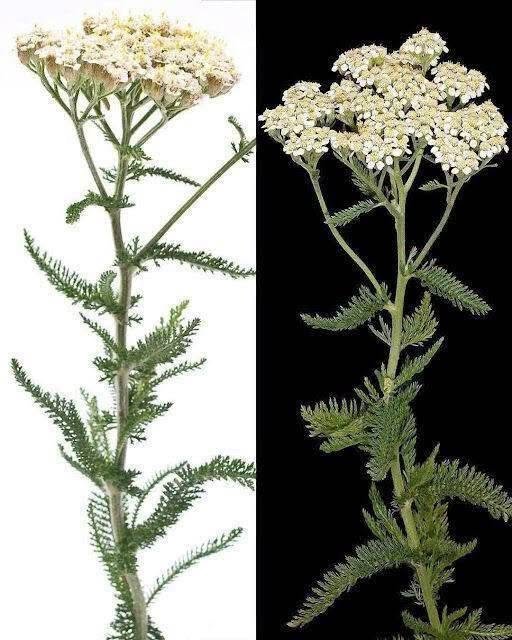
When walking through fields or meadows during the summer months, you might easily overlook a slender, feathery-leafed plant topped with clusters of tiny white or pale pink flowers. This resilient wildflower is yarrow (Achillea millefolium), an ancient botanical powerhouse that has been utilized for thousands of years as a premier field medicine and therapeutic herb.
While modern medicine relies heavily on synthetic pharmaceuticals, herbalists continue to champion yarrow as a versatile remedy for everything from digestive upset and cold symptoms to minor wound healing. Brewing this wild plant into a warm, aromatic tea offers a simple, holistic way to tap into generations of herbal wisdom.
The Rich History and Traditional Uses of Yarrow
Yarrow’s botanical genus name, Achillea, is rooted in Greek mythology. Legend has it that the hero Achilles used yarrow leaves to staunch the bleeding and heal the wounds of his soldiers during the Trojan War. Because of this historic battlefield utility, common folk names for yarrow include “soldier’s woundwort,” “nosebleed plant,” and “thousand-leaf.”
Beyond stopping blood flow from minor scrapes, traditional herbal systems across Europe and Indigenous North American cultures prized yarrow tea as a premier diaphoretic—meaning it gently warms the body, promotes healthy sweating, and helps break fevers during the early onset of a cold or flu.
The Modern Science: Why Yarrow Tea Works
Modern phytotherapy has validated many of yarrow’s traditional applications through biochemical analysis, revealing a complex matrix of active plant compounds:
-
Chamazulene and Sesquiterpene Lactones: These volatile oils give yarrow its characteristic deep blue-green hue when distilled and are primarily responsible for the plant’s powerful anti-inflammatory and antispasmodic actions.
-
Tannins: Natural astringents that help tighten mucosal tissues, soothe the digestive tract, and slow bleeding.
-
Flavonoids: Potent antioxidants that neutralize oxidative stress, support immune cell function, and protect cellular integrity.
Health Benefits of Drinking Yarrow-Infused Tea
-
Digestive Relief: Yarrow stimulates the production of digestive juices, bile flow, and gastric enzymes, making it exceptionally effective for soothing bloating, cramping, and sluggish digestion.
-
Cold and Flu Management: By acting as a gentle diaphoretic, a warm cup of yarrow tea at the first sign of chills helps encourage a mild sweat, supporting the body’s natural fever response.
-
Anti-Inflammatory Support: Its internal soothing properties help calm systemic inflammation, easing joint stiffness and muscle soreness.
-
Menstrual Comfort: Thanks to its antispasmodic qualities, yarrow tea has long been used to ease uterine cramping and regulate heavy menstrual flow.
How to Brew Yarrow-Infused Healing Tea at Home
Making yarrow tea requires dried or fresh aerial parts (the leaves and flowering tops). Because yarrow is quite bitter, pairing it with honey or lemon balances the flavor profile.
Ingredients Needed:
-
1 to 2 teaspoons of dried organic yarrow flowers and leaves (or 1 tablespoon fresh)
-
1 cup of freshly boiled water
-
Optional: Raw honey or a squeeze of fresh lemon juice to taste
Step-by-Step Instructions:
-
Add the Herb: Place your dried or fresh yarrow into a heat-safe mug, teapot, or French press.
-
Pour and Cover: Pour the boiling water directly over the herb. Immediately cover the mug with a small plate or lid to trap the volatile, medicinal essential oils inside.
-
Steep: Let the tea steep undisturbed for 10 to 15 minutes. A longer steep yields a stronger, more medicinal infusion.
-
Strain and Sip: Strain out the plant material, stir in raw honey or lemon if desired, and sip slowly while warm.
Comparison: Yarrow Tea vs. Standard Chamomile Tea
| Tea Characteristic | Yarrow Tea (Achillea millefolium) | Chamomile Tea (Matricaria chamomilla) |
| Primary Flavor Profile | Pungent, slightly bitter, herbaceous, and earthy. | Mild, sweet, floral, and apple-like. |
| Primary Action | Stimulates digestion, supports fevers, and tones tissue. | Promotes relaxation, eases anxiety, and induces sleep. |
| Astringency Level | High, due to concentrated plant tannins. | Low to moderate. |
Common Safety Precautions and Side Effects
While yarrow is a safe and beneficial herb for most people, certain precautions are necessary:
-
Asteraceae Family Allergies: Yarrow belongs to the daisy and ragweed family (Asteraceae). If you have known allergies to ragweed, marigolds, or daisies, exercise caution or avoid yarrow.
-
Pregnancy and Breastfeeding: Yarrow acts as a uterine stimulant and emmenagogue (encouraging blood flow), meaning it should never be consumed during pregnancy.
-
Medication Interactions: Yarrow can potentially interact with blood thinners, lithium, or blood pressure medications due to its physiological effects. Always consult your healthcare provider if you take daily prescriptions.
Frequently Asked Questions
Can I drink yarrow tea every day?
Herbalists generally recommend using yarrow as an acute remedy—enjoying a cup or two daily for a week or two during a cold or digestive flare-up—rather than consuming it indefinitely as a daily beverage.
Where can I find yarrow for tea?
You can forage it wild if you are an experienced botanist, but purchasing organic dried yarrow from a reputable herbal apothecary or online herb supplier is safest.
Why does yarrow tea taste bitter?
The bitterness comes from beneficial sesquiterpene lactones. Bitters are actually medicinal because they trigger the release of digestive enzymes in the gut.
Action Checklist
-
What to Do: Source high-quality organic dried yarrow, cover your mug while steeping to preserve active oils, and sweeten with raw honey to balance the bitterness.
-
What to Avoid: Drinking yarrow tea while pregnant, consuming it if you have severe ragweed allergies, and boiling the herb directly instead of steeping it off the heat.
Rooted in ancient battlefield lore and backed by modern botanical science, a warm cup of yarrow-infused tea provides a powerful, natural way to support digestion, soothe immune challenges, and harness the timeless healing properties of wild plants.