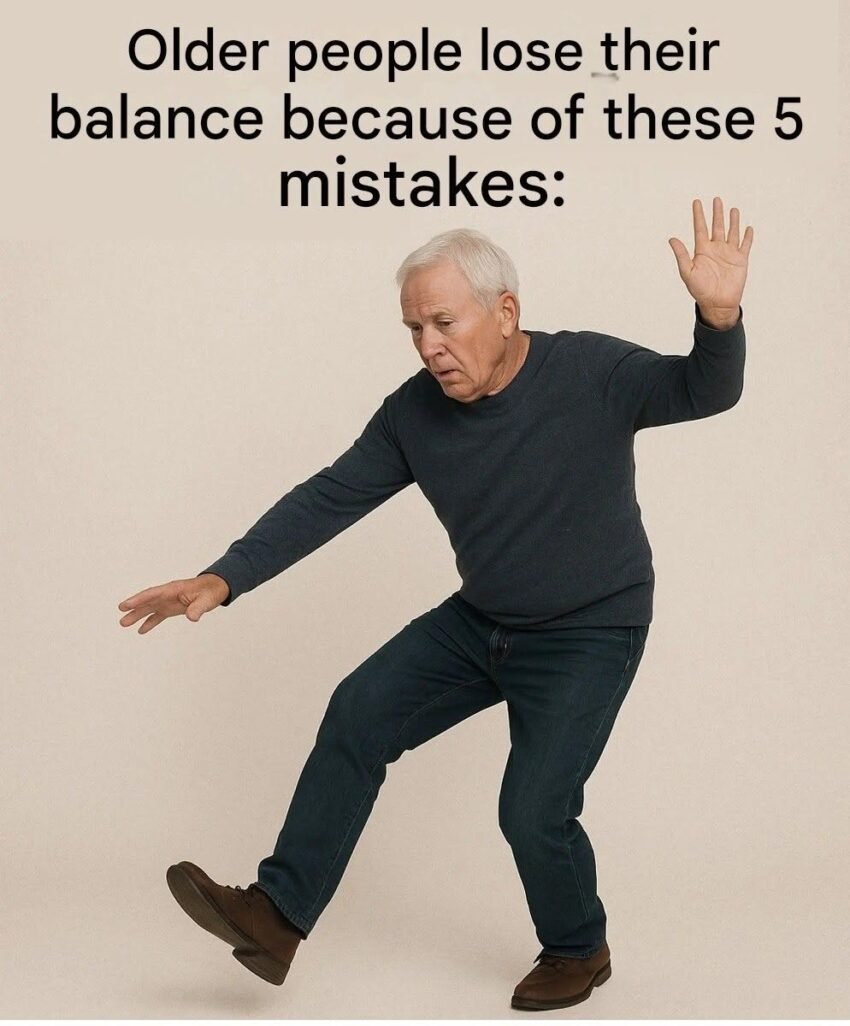
5 Common Balance Mistakes That Increase Fall Risks in Older Adults
Maintaining physical balance is a complex neurological and muscular feat that involves our vision, inner ear vestibular system, and proprioception—the body’s awareness of where it is in space. As we age, these systems naturally experience subtle declines, making stability less automatic.
While aging plays a role, unexpected falls are rarely random accidents. They are frequently triggered or worsened by everyday habits and physical missteps that undermine stability. Recognizing and correcting these five common balance mistakes can dramatically protect your mobility and independence.
1. Wearing Unsupportive, Slippery, or Improper Footwear Indoors
Many older adults prefer walking around the house barefoot, in smooth-soled slippers, or in worn-out sneakers with flattened treads.
-
The Danger: Your feet are your primary sensory foundation. Smooth socks on hardwood or tile floors eliminate traction, while unsupportive shoes rob your soles of the sensory feedback needed to make micro-adjustments for balance.
-
The Correction: Wear supportive footwear or non-slip grip socks indoors, and choose stable walking shoes with low heels and textured rubber soles when venturing outside.
2. Neglecting Core and Lower-Body Strength Training
A common misconception is that older adults should avoid strength exercises to protect their joints, leading to a largely sedentary routine focused only on light walking.
-
The Danger: Without targeted resistance training, the body experiences rapid muscle atrophy—particularly in the glutes, quads, and calves. Weak leg muscles make it difficult to catch yourself if you stumble, turning a minor slip into a catastrophic fall.
-
The Correction: Incorporate gentle, functional strength exercises like sit-to-stands from a chair, heel raises, and wall push-ups to maintain lower-body power.
3. Rushing and Turning Too Quickly Without Looking
In the hustle of daily life, it is easy to pivot abruptly, turn around while walking, or rush to answer the telephone or door.
-
The Danger: Rapid head turns and sudden direction changes shift your center of gravity instantly, frequently triggering transient dizziness (especially if blood pressure drops upon standing) and disrupting your vestibular balance system.
-
The Correction: Practice mindful movement. Slow down when changing directions, make wider turns, and give your eyes a moment to anchor when transitioning from sitting to standing.
4. Ignoring Vision Changes or Bifocal Adjustments
Many seniors delay updating their eyeglass prescriptions or continue wearing multi-focal progressive lenses (like bifocals or trifocals) while navigating stairs and uneven terrain.
-
The Danger: Bifocals distort depth perception by blurring the floor right beneath your feet, making a single step or curb look deceptively close or far away, which frequently leads to missteps.
-
The Correction: Get annual comprehensive eye exams, and consider wearing single-vision distance glasses when walking outdoors or navigating stairs where spatial clarity is critical.
5. Allowing Home Environments to Harbor Hidden Trip Hazards
A home filled with decades of memories can easily become an obstacle course of hidden hazards, such as loose area rugs, trailing appliance cords, and cluttered hallways.
-
The Danger: Even the best balance can be undone by an unexpected snag. Unsecured throw rugs are one of the leading culprits behind indoor falls among older adults.
-
The Correction: Secure or remove all loose carpets using heavy-duty double-sided rug tape, clear pathways of electrical cords, and ensure all hallways are brightly lit.
Comparison: Unsafe Balance Habits vs. Stability-Boosting Choices
| Daily Situation | The Risky Habit | The Balance-Safe Alternative |
| Footwear Choice | Walking barefoot or in slick, worn-out house slippers. | Wearing structured shoes or non-slip grip socks indoors. |
| Movement Style | Pivoting quickly or rushing to answer the phone. | Slowing down, making wide turns, and pausing before moving. |
| Home Setup | Using loose decorative throw rugs on hardwood floors. | Securing rugs with heavy-duty carpet tape or removing them entirely. |
| Vision Habits | Relying on outdated multi-focal glasses for walking stairs. | Using single-vision distance lenses when navigating steps outdoors. |
Frequently Asked Questions
Can balance be improved at an advanced age?
Yes. Through targeted neuro-muscular training—such as single-leg stands (while holding onto a counter) and tai chi—the brain and nervous system can form new pathways to enhance stability at any age.
Why does dizziness happen so often when standing up quickly?
This is often caused by orthostatic hypotension, a brief drop in blood pressure that occurs when gravity pools blood in the lower body upon standing, reducing blood flow to the brain temporarily.
Are balance exercises safe to do at home?
Yes, provided you practice them safely near a sturdy kitchen counter, the back of a heavy sofa, or a wall so you always have a secure handhold if you wobble.
Action Checklist
-
What to Do: Wear supportive non-slip shoes indoors, clear throw rugs and clutter from your pathways, practice slow and mindful turns, and schedule regular vision and balance check-ups.
-
What to Avoid: Walking on slick floors in socks, rushing when changing directions, ignoring subtle vision blurs, and neglecting basic leg strength maintenance.
Preserving your stability and preventing dangerous falls doesn’t require complex medical interventions; eliminating everyday balance mistakes like slippery footwear, rushed movements, and home trip hazards can keep you safely on your feet for years to come.