The Ultimate Maestro-Style Artisan Pizza: Restaurant Quality at Home
Achieving a true pizzeria-quality crust at home usually demands a multi-day fermentation process and high-heat professional ovens. This master recipe bypasses the fuss while retaining true Neapolitan texture—featuring a blistered, airy outer cornichon and a crisp, sturdy base.
Ingredients
For the Artisan Pizza Dough:
-
Bread flour: 500g (high protein content is essential for structural chew)
-
Warm water: 320ml (approx. 37°C / 98°F)
-
Instant dry yeast: 7g (1 standard packet)
-
Fine sea salt: 10g
-
Extra virgin olive oil: 15ml (plus extra for coating)
-
Sugar or honey: 5g (to feed the yeast and aid browning)
For the Maestro Tomato Sauce:
-
San Marzano canned tomatoes: 1 can (400g), hand-crushed
-
Garlic clove: 1 whole clove, lightly smashed
-
Fresh basil leaves: 4–5 leaves
-
Fine sea salt: To taste
For the Toppings:
-
Fresh mozzarella (Fior di Latte): 250g, torn and drained of excess liquid
-
Parmigiano-Reggiano: 40g, freshly grated
-
Fresh basil leaves: For finishing
-
Extra virgin olive oil: A final drizzle
Step-by-Step Instructions
1. Building the Dough Matrix
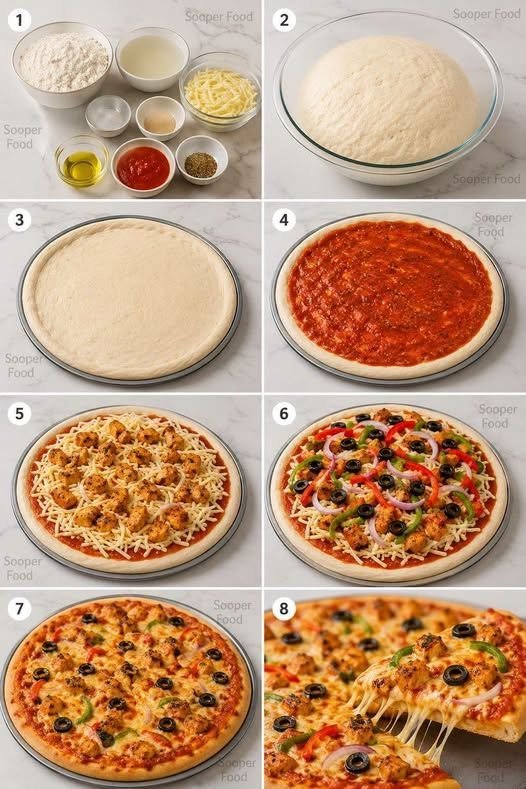
In a large mixing bowl, whisk together the bread flour and instant yeast. Make a well in the center and pour in the warm water, olive oil, and honey. Gradually draw the flour into the liquid using a spatula or your hand until a cohesive shaggy mass forms.
2. Kneading and Fermentation
Turn the dough out onto an un-floured work surface. Knead vigorously for 8 to 10 minutes using the stretch-and-fold method until the surface turns smooth and elastic. Shape the dough into a tight tension ball, lightly oil a clean bowl, place the dough inside, and cover tightly with plastic wrap. Let it rise at room temperature for 2 hours, or transfer it to the refrigerator for a 24-hour slow cold fermentation for maximum flavor development.
3. Simmering the Sauce
While the dough rises, combine the hand-crushed San Marzano tomatoes, smashed garlic clove, and a pinch of salt in a small saucepan. Simmer gently over low heat for 15 minutes to marry the flavors without over-reducing. Remove from heat, discard the garlic clove, and let cool completely.
4. Preheating for Success
Place a pizza stone or heavy inverted baking sheet on the middle-to-upper rack of your oven. Turn your oven to its absolute maximum temperature (between 250°C to 290°C / 500°F to 550°F) and let the stone heat up for at least 45 minutes.
5. Stretching, Not Rolling
Divide the rested dough ball into two equal portions. Gently press a dough ball out on a lightly floured surface, pushing the air from the center outward toward the rim to form your crust border. Pick up the dough and gently stretch it over your knuckles to a 12-inch circle, taking care not to puncture the airy outer edge. Transfer the stretched base onto a parchment paper sheet or a floured peel.
6. Assembly and Baking
Spoon a light layer of your cooled tomato sauce into the center and swirl outward, leaving a 1-inch bare border. Distribute the torn pieces of fresh mozzarella evenly, grate fresh Parmigiano-Reggiano over the top, and add a few fresh basil leaves. Slide the pizza (along with its parchment paper, if using) directly onto the preheated stone. Bake for 6 to 8 minutes until the cheese bubbles and the crust develops deep golden-brown leopard spots.
7. The Final Polish
Remove the pizza from the oven, top immediately with fresh whole basil leaves, and finish with a thin spiral drizzle of high-quality extra virgin olive oil. Let it rest on a wire rack for 60 seconds before slicing to allow the melted cheese to set.
Pro Tips for Maestro-Level Results
-
Manage Moisture: Fresh mozzarella releases water during baking. Tear it hours ahead of time and let it drain on paper towels to prevent a soggy center.
-
Control the Heat: If your home oven maxes out at lower temperatures, use the broiler for the final 90 seconds of cooking to mimic a traditional wood-fired deck oven.
What toppings or customizations are you planning to feature on your homemade pizza night?