8 Strange (But Real) Signs Your Body Is Begging for More Vitamin B12 – Don’t Ignore These Red Flags
You are sleeping eight full hours, mainlining cold brew every morning, yet you still feel like you are walking through wet cement by 2:00 PM. Most people immediately blame stress, poor sleep hygiene, or aging. But if your daily routine is locked in and the exhaustion persists, your nervous system might be quietly screaming for a nutrient you are critically lacking.
Vitamin B12 (cobalamin) is a master regulator. It dictates red blood cell formation, neurological health, and DNA synthesis. Because your body cannot manufacture it independently, you must extract it from your diet. When stores run dry, the fallout doesn’t just look like standard fatigue—it manifests in bizarre, oddly specific neurological and physical quirks that most people completely misinterpret.
1. Your Tongue Looks Smooth and Feels “Angry”
One of the strangest dermatological red flags of a B12 deficit is atrophic glossitis. Your tongue loses its normal, textured bumps (papillae), leaving it looking unnaturally smooth, glossy, and bright red—almost as if it has been burned. You might also experience an unexplained burning sensation or soreness along the tip and edges.
2. Phantom Electric Shocks or Tingling in Your Extremities
If you frequently feel a strange pins-and-needles sensation, numbness, or sudden mild electric shocks rippling down your spine or into your feet, pay attention. B12 is essential for maintaining the myelin sheath—the protective insulation surrounding your nerves. Without it, nerve signaling misfires, creating phantom sensory disruptions.
3. Unexplained Balance Issues and Clumsiness
Finding yourself unexpectedly tripping over flat pavement, bumping into doorframes, or losing your footing while putting on your shoes? This is known medically as a loss of proprioception—your body’s internal awareness of where it is in space. B12 deficiency can impair the nerve pathways communicating position data from your joints to your brain.
4. Muscle Weakness That Feels Disproportionate
You aren’t just tired; your limbs feel heavy, sluggish, and weak. Simple tasks like carrying grocery bags or walking up a flight of stairs feel like an uphill battle. This happens because oxygen-carrying red blood cells plummet (megaloblastic anemia), starving your muscle tissue of the fuel it needs to contract efficiently.
5. Persistent Brain Fog and Memory Slips
Walking into a room and completely forgetting why you are there happens to everyone. But when you are struggling to recall basic words mid-sentence, blanking out during work presentations, or feeling like your cognitive processor is running on a dial-up modem, your neurons are crying out for metabolic support.
6. Pale or Sallow Skin with a Yellowish Undertone
Because a B12 deficiency destroys red blood cells faster than your bone marrow can replace them, your overall blood volume changes. This hemolysis releases bilirubin into your system, giving your skin and the whites of your eyes a faint, washed-out, yellowish pallor that makes you look perpetually jet-lagged.
7. Heightened Irritability and Uncharacteristic Mood Swings
Nutritional deficiencies don’t just affect physical tissue; they heavily impact mental chemistry. B12 is instrumental in synthesizing neurotransmitters like serotonin and dopamine. When levels crash, you might find yourself snapping at minor inconveniences, battling sudden bouts of inexplicable anxiety, or slipping into low-grade depression.
8. Sudden Intolerance to Cold Temperatures
Are you wearing a heavy hoodie in a room set to 72°F while everyone else is comfortable? Poor circulation and compromised red blood cell counts mean your body struggles to distribute heat effectively, leaving your hands and feet feeling like blocks of ice regardless of the ambient temperature.
Why B12 Deficiencies Are Skyrocketing
Vitamin B12 is found almost exclusively in animal products—meat, eggs, poultry, dairy, and fish. However, even people who eat animal protein regularly can become deficient.
-
The Gut Absorption Bottleneck: Absorbing B12 is a complex biochemical dance. It requires adequate stomach acid to strip the vitamin from food proteins, plus a specialized compound called intrinsic factor produced in your stomach lining.
-
The Antacid Trap: Chronic use of proton pump inhibitors (PPIs) or acid reflux medications aggressively flattens stomach acid levels, blocking B12 absorption at the source.
-
Dietary Restrictions: Strict plant-based diets naturally eliminate primary sources, making routine supplementation or fortified food consumption non-negotiable.
Action Plan: How to Restore Your Levels Safely
-
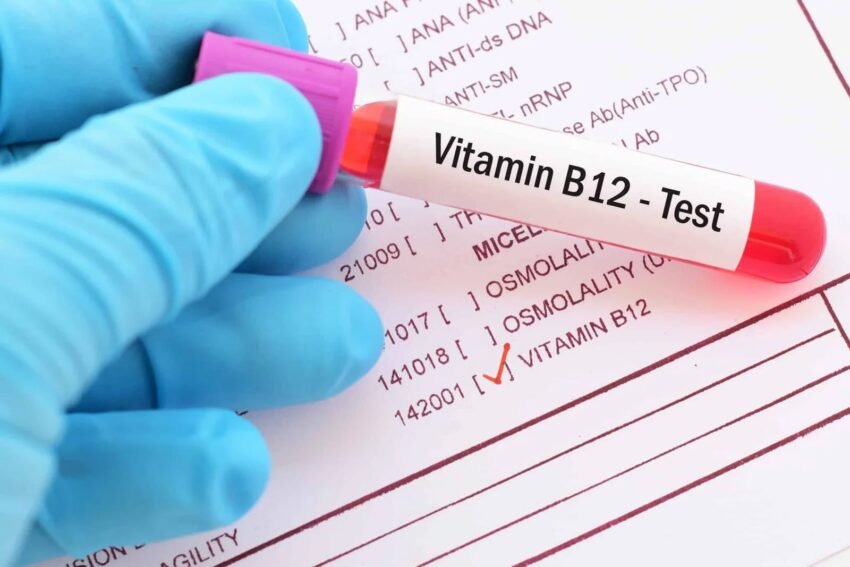
Get Blood Work Done: Do not guess—test. Ask your physician for a comprehensive metabolic panel checking serum B12, methylmalonic acid (MMA), and homocysteine levels for true accuracy.
-
Evaluate Your Supplement Form: If you supplement, look for methylcobalamin rather than cyanocobalamin. Methylcobalamin is the bioactive, coenzyme form that your body can utilize instantly without requiring metabolic conversion.
-
Consider Sublingual Delivery: Sublingual lozenges or liquid drops bypass the tricky digestive tract, absorbing directly through the mucous membranes under your tongue.
Ignoring these subtle warning signs allows minor neurological strain to compound into severe, long-term nerve damage. If your body is flashing these strange red flags, listen to the message before it forces you to stop.