The End of the Prep and the Scope? The Revolutionary Non-Invasive Colonoscopy Shift That Changes Everything
Mention the word colonoscopy at a dinner party, and watch the room collectively shudder. Between the gallon of foul-tasting prep liquid that turns your evening into an endurance test, the missing day of work, the IV sedation, and the lingering dread of the physical scope itself, millions of Americans delay or completely skip this life-saving screening.
For decades, we accepted this as the unavoidable tax of preventative healthcare. But medical technology is finally pivoting away from brutal diagnostics. A wave of non-invasive and minimally invasive screening methods is rewriting the rules of colorectal cancer prevention, promising a future where the dreaded conventional colonoscopy may no longer be the default first line of defense.
Why the Traditional Method Drives People Away
Colorectal cancer is one of the most preventable malignancies—if caught early. Yet, compliance rates in the United States hover miserably low, with nearly a third of eligible adults failing to get screened on schedule.
The barriers are psychological and physical:
-
The Prep Trauma: The sheer volume of laxatives required to clear the colon completely disrupts electrolyte balances and terrorizes patients.
-
The Fear of Sedation: The requirement of an escort, missing a full day of productivity, and the anxiety of general anesthesia or twilight sedation deter busy professionals.
-
The Invasion Factor: For many, the physical nature of the procedure triggers deep vulnerability and avoidance behaviors.
When compliance is low, preventable cancers slip through the cracks. Enter the non-invasive revolution.
The New Frontiers of Non-Invasive Screening
Modern diagnostics are moving from mechanical examination to molecular detection. You no longer always have to look inside the colon visually to know if something is wrong; you can analyze the biological footprints left behind.
-
Advanced Multi-Target Stool DNA Testing: Tests like Cologuard look beyond simple blood in the stool. They isolate microscopic shed DNA from precancerous polyps and cancer cells, combined with hemoglobin assays, providing a high-accuracy snapshot of your gut health from the comfort of your own bathroom.
-
Blood-Based Liquid Biopsies: Emerging blood tests scan for circulating tumor DNA (ctDNA) and aberrant methylation patterns associated with colorectal cancer. While still evolving, these blood tests represent the ultimate holy grail: a standard blood draw during your annual physical that screens for cancer alongside your cholesterol levels.
-
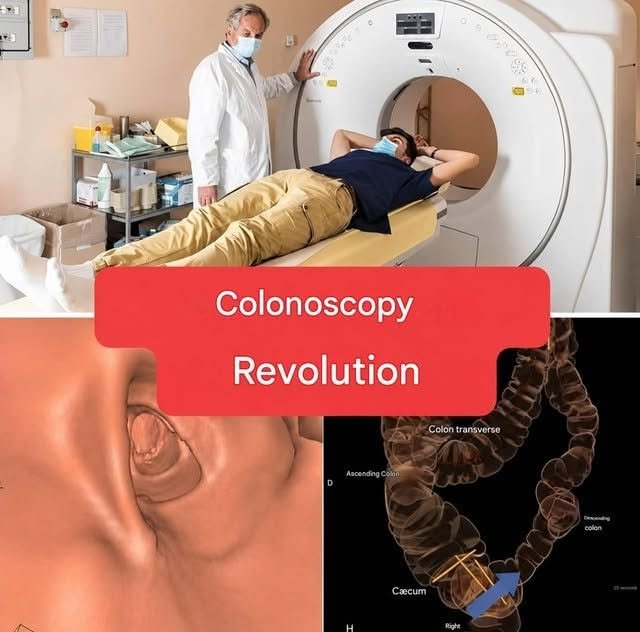
Virtual Colonoscopies (CT Colonography): Utilizing low-dose computed tomography scans, this method creates a hyper-detailed 3D map of the colon. While it still requires a mild prep to clear the bowels, it eliminates sedation, cameras, and physical insertion entirely.
Step-by-Step Breakdown: How to Choose Your Screening Path
Navigating your options requires understanding that non-invasive tests are fantastic screening tools, but they operate differently than diagnostic tools.
-
Determine Your Risk Level: If you have a strong family history of colon cancer, inflammatory bowel disease, or previous polyp history, traditional screening remains the gold standard because doctors can remove polyps on the spot.
-
Opt for Stool or Blood Tests if Average Risk: If you are at average risk and have zero symptoms, discuss non-invasive stool or blood options with your primary care provider.
-
Understand the Follow-Up Rule: This is critical—non-invasive tests are screening tools, not diagnostic cures. If a stool DNA or liquid biopsy test comes back positive, it does not automatically mean you have cancer; it means you harbor a marker that requires a follow-up conventional colonoscopy to locate and remove the tissue.
-
Check Insurance Coverage: Major insurers and Medicare increasingly cover non-invasive alternatives, but policy rules vary regarding how frequently they can be repeated compared to a ten-year standard scope.
Comparison of Screening Methods
| Feature | Traditional Colonoscopy | Stool DNA Test (e.g., Cologuard) | Liquid Biopsy / Blood Test |
| Invasiveness | High (Internal scope under sedation) | None (At-home collection kit) | Minimal (Standard blood draw) |
| Prep Required | Intense 24-hour liquid laxative purge | None | None |
| Frequency | Every 10 years (if clear) | Every 3 years | Annually (as part of emerging protocols) |
| Intervention | Can remove polyps during the procedure | Cannot remove polyps (requires follow-up scope if positive) | Cannot remove polyps (requires follow-up scope if positive) |
Common Misconceptions to Avoid
-
“Non-invasive means I can skip prep forever.” While true for blood tests, stool tests require collecting a sample, and virtual colonoscopies still demand bowel clearing so gas shadows don’t obscure the 3D imaging.
-
“If my blood test is negative, I’m bulletproof.” Liquid biopsies are incredible technology, but they are designed to catch active cancer or large advanced adenomas, meaning very small precancerous polyps might occasionally slip past detection until they grow.
-
“These tests replace doctors.” They don’t. Interpreting molecular markers and deciding the right cadence for your gut health requires a professional medical partnership.
The Future Outlook: What’s Coming Next
The trajectory of gastroenterology is shifting toward hyper-personalized, preventative oncology. Within the next decade, multi-cancer early detection (MCED) blood tests will likely screen for dozens of cancers simultaneously from a single tube of blood.
Artificial intelligence is also transforming virtual colonoscopies, allowing algorithms to scan CT imaging with microscopic precision that completely eliminates human oversight fatigue.
The excuse of “I’m putting off my colonoscopy because I hate the prep” is officially losing its validity. Healthcare is evolving to meet patients where they are—making early detection safer, easier, and radically more accessible.