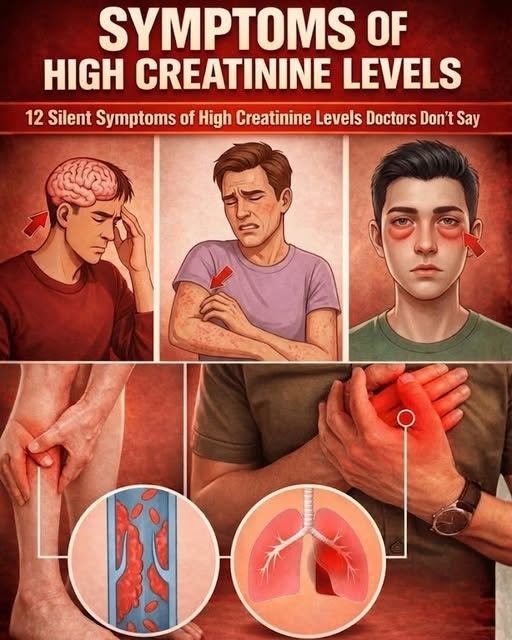
12 Subtle Signs of High Creatinine Levels That Could Point to Early Kidney Strain
Your kidneys act as the ultimate biological filtration system, silently processing roughly 200 quarts of blood every single day to flush out waste products, regulate electrolytes, and balance fluid levels. When these bean-shaped organs begin to struggle, waste products like creatinine—a normal byproduct of daily muscle breakdown—start accumulating in your bloodstream.
Because early-stage kidney stress is notoriously quiet, symptoms rarely arrive with dramatic flair. Instead, they manifest as low-grade physical quirks that are easy to brush off as stress, aging, or a lack of sleep.
1. Foamy or Bubbly Urine
If you notice that your urine consistently looks frothy—resembling the foam on scrambled eggs—it is often an early indicator of proteinuria (albumin leaking into the urine). Healthy kidney filters trap large proteins inside your bloodstream; damaged filters let them slip through.
2. Persistent Puffiness Around the Eyes
Waking up with occasional eye bags after a late night is normal. However, persistent periorbital edema—swelling and puffiness around the eyes that doesn’t fade as the day goes on—occurs when compromised kidneys leak significant amounts of protein into the urine, causing fluid to pool in loose facial tissues.
3. Nocturia (Waking Up Multiple Times at Night to Pee)
Finding yourself stumbling to the bathroom two or three times every night is a classic early warning sign. When the kidneys’ microscopic filtering units (nephrons) are damaged, they lose their ability to concentrate urine properly, resulting in a higher volume of diluted fluid and increased urinary frequency.
4. Swollen Ankles, Feet, and Hands
When your kidneys fail to efficiently clear excess sodium and water from your body, gravity pulls that fluid downward. If your socks leave deep indentations around your ankles, or your rings feel uncomfortably tight by afternoon, your body is struggling with mild fluid retention.
5. Unexplained Fatigue and Brain Fog
Healthy kidneys produce a vital hormone called erythropoietin (EPO), which signals your bone marrow to manufacture oxygen-carrying red blood cells. When kidney function dips, EPO production drops, leading to mild anemia, sluggish oxygen distribution, persistent exhaustion, and trouble concentrating.
6. Chronically Dry, Itchy Skin
As filtering efficiency drops, phosphorus and other metabolic wastes begin to accumulate in the bloodstream (uremia). This chemical imbalance directly irritates nerve endings in the skin, causing a deep, relentless itch that standard lotions fail to relieve.
7. Frequent Nighttime Muscle Cramps
Electrolyte imbalances—particularly erratic shifts in calcium, potassium, and sodium—frequently accompany rising creatinine levels. If you experience painful muscle spasms or severe cramps in your calves and feet, particularly at night, your muscles are reacting to poor mineral regulation.
8. A Metallic Taste in the Mouth or Altered Appetite
A rising concentration of waste products in the blood can alter your sense of taste, occasionally giving food a metallic or chemical tang. This shift often dampens your appetite, making meals unappealing and occasionally triggering mild nausea.
9. Uncontrolled High Blood Pressure
The kidneys and your cardiovascular system share a deeply interconnected feedback loop. Kidneys help regulate blood pressure by managing fluid volume and releasing specific blood-pressure-controlling hormones. When kidney tissue experiences resistance or damage, systemic blood pressure spikes—and conversely, high blood pressure can further damage delicate kidney vessels.
10. Subtle Changes in Urine Color
While dark urine can simply indicate dehydration, urine that consistently looks pink, brownish, or tea-colored suggests that fragile blood cells are leaking through damaged glomerular filters into your bladder.
11. Shortness of Breath After Minor Exertion
Fluid retention doesn’t just settle in your ankles; in some cases, excess fluid can accumulate in the chest cavity or airways (pulmonary congestion). If walking up a single flight of flight of stairs leaves you unusually winded, it warrants a closer look at your cardiovascular and renal health.
12. Persistent Lower Back or Flank Pain
While many forms of chronic kidney disease are entirely painless in the early phases, inflammation, kidney stones, or infections can cause a dull, persistent ache in your mid-to-lower back just below the rib cage where the kidneys sit.
What High Creatinine Actually Means
Creatinine is measured through a routine blood test (Serum Creatinine), which doctors use to calculate your eGFR (Estimated Glomerular Filtration Rate).
-
The Temporary Spikes: Elevated creatinine isn’t always permanent kidney failure. Strenuous weightlifting, heavy meat consumption, intense dehydration, or certain over-the-counter medications (like high-dose ibuprofen) can temporarily push numbers up.
-
The Chronic Trend: If high creatinine persists across multiple blood panels, it signals that your filtration capacity is genuinely compromised.
Essential Action Checklist
-
Do: Request a comprehensive metabolic panel (CMP) that includes serum creatinine and an eGFR calculation during your next annual physical.
-
Do: Stay adequately hydrated with water to ensure your kidneys can easily process daily metabolic waste.
-
Avoid: Relying heavily on daily non-steroidal anti-inflammatory drugs (NSAIDs like ibuprofen or naproxen), which constrict blood flow to the kidneys when used chronically.
-
Avoid: Ignoring persistent changes in your urination patterns or swelling in your extremities under the assumption that “it’s just getting older.”
Early detection is your greatest asset. Catching kidney stress early gives you the power to reverse, stabilize, and protect your long-term health before minor laboratory anomalies turn into major medical interventions.