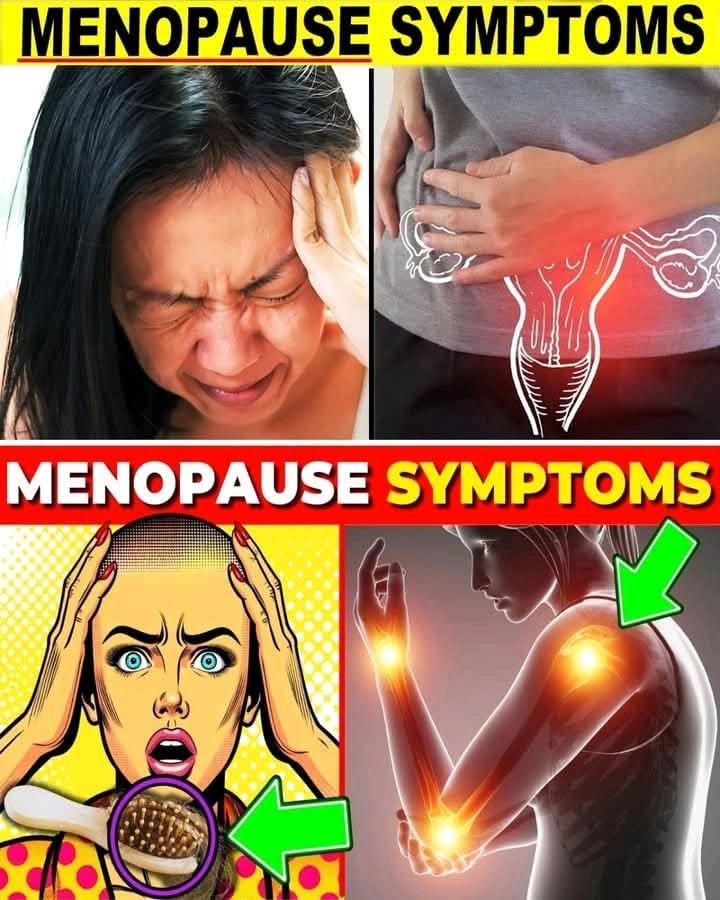
9 Signs You’re Actually Going Through Menopause!
Menopause is often discussed in broad strokes—hot flashes, missed periods, and the end of fertility. But the reality of the transition (known clinically as perimenopause and menopause) is far more complex, subtle, and surprising than most women expect. Because hormonal shifts impact nearly every organ system in the female body, the symptoms can mimic everything from chronic stress to thyroid disorders.
If you have been feeling “off” lately and wondering if your hormones are staging a quiet mutiny, here are nine telltale signs that you are actually going through the menopausal transition.
1. Unpredictable Period Fluctuations Long before your period stops entirely, your cycle will likely start playing hide-and-seek. Fluctuating estrogen and progesterone levels mean your periods might shorten to 21 days, stretch out to 40 days, or alternate between ultra-heavy flows and light spotting.
2. Sudden Temperature Surges (Hot Flashes & Night Sweats) The classic hallmark of menopause remains one of the most jarring. You might feel a sudden, intense wave of heat radiating from your chest to your face, often followed by a chill. When these hit at night, they can soak your sheets and disrupt deep restorative sleep.
3. Brain Fog and Forgetfulness Walking into a room and forgetting why you are there is a universal human experience, but during perimenopause, it can feel like your memory is actively slipping away. Hormonal receptors in the brain—particularly in the hippocampus, which handles memory—are highly sensitive to estrogen drops, leading to temporary word-finding difficulties and scattered focus.
4. Unexplained Mood Swifts and Irritability If you find your patience wearing thin over minor inconveniences, hormones may be the culprit. Progesterone has a natural calming effect on the brain. As it declines, women often experience heightened anxiety, low-level depression, sudden tearfulness, or uncharacteristic irritability.
5. Sleep Disturbances Unrelated to Sweats Even without waking up drenched in sweat, many women in midlife struggle to fall asleep or stay asleep. Declining estrogen levels affect your body’s internal temperature regulation and neurotransmitters that promote deep sleep, leaving you feeling chronically wired and tired.
6. New or Worsening Joint and Muscle Aches Estrogen plays a massive role in managing inflammation and keeping your joints lubricated. When levels drop, you might wake up with stiff fingers, aching knees, or sore shoulders that feel like you ran a marathon when you merely slept.
7. Changes in Metabolism and Body Composition That stubborn belly weight that seems immune to your usual diet and exercise routine is a classic menopausal signature. As estrogen declines, the body shifts how it processes insulin and stores fat, often moving storage from the hips and thighs to the midsection while simultaneously losing lean muscle mass.
8. Uncharacteristic Hair and Skin Shifts You might notice your skin feeling drier, thinner, or losing its usual elasticity as collagen production slows down. Meanwhile, hormonal imbalances can sometimes cause unwanted chin hairs while the hair on your head thins out at the temples or crown.
9. Vaginal Dryness and Lower Libido Lower estrogen levels decrease blood flow and tissue elasticity in the vaginal area, leading to dryness, irritation, or discomfort during intimacy. Combined with fatigue and mood shifts, it is entirely normal to notice a shift or dip in your overall sex drive.
Navigating this transition can feel overwhelming, but understanding what is happening inside your body is the first step toward reclaiming your comfort and confidence.
Menopause is not just about the end of menstruation; it is a full-body hormonal recalibration. Listening to these subtle signs early allows you to seek targeted support from healthcare professionals, lifestyle adjustments, or hormone therapy if appropriate.
What is the most surprising symptom you have noticed during your hormonal journey? Share your experience in the comments below!