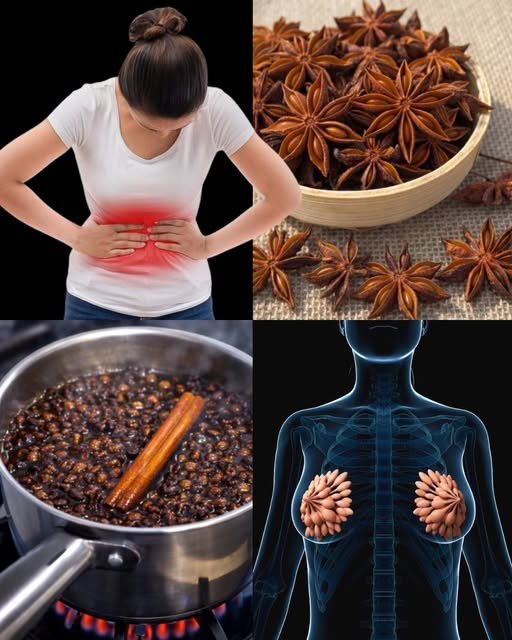
Every Woman Should Know What Anise Seeds Can Do for Hormones, Sleep, and Skin
Modern wellness culture constantly chases exotic, high-priced superfoods imported from the furthest corners of the earth, yet some of the most potent botanical remedies have been sitting in spice cabinets for centuries. Anise (Pimpinella anisum), with its distinct licorice-like aroma, is far more than a baking ingredient or a flavoring for after-dinner digestifs.
For centuries, traditional herbalists across the Mediterranean and Middle East relied on anise seeds to support women through every stage of life. Modern nutritional science is finally catching up, revealing that these tiny seeds contain powerful bioactive compounds capable of influencing hormonal balance, promoting deep restorative sleep, and clearing up skin.
If you have never considered adding anise to your daily wellness routine, here is why this unassuming spice deserves a permanent spot in your pantry.
The Biochemical Powerhouse: What Makes Anise Seeds Special
At first glance, anise seeds look unassuming, but they are packed with essential oils—primarily anethole—which accounts for 80 to 90 percent of the seed’s volatile oil content. Anethole is a phytoestrogen, a plant-derived compound that mimics estrogen in the human body.
While the word “estrogen” often sparks confusion, phytoestrogens are much milder than human hormones. They can bind to estrogen receptors, acting as gentle agonists that help modulate hormonal fluctuations. This unique biological action makes anise seeds particularly beneficial for women navigating menstrual discomfort, hormonal dips, or the transitional phases of perimenopause.
1. Hormonal Harmony: Easing Menstrual and Menopausal Shifts
Hormonal imbalances can turn life into an unpredictable rollercoaster of cramps, irregular cycles, and mood volatility. Because of their phytoestrogenic properties, anise seeds have long been used as a natural emmenagogue—a substance that stimulates blood flow in the pelvic area and promotes regular menstruation.
Clinical studies on women experiencing dysmenorrhea (painful periods) have shown that standardized anise extracts can significantly reduce pain intensity and duration by relaxing uterine smooth muscle tissue. Furthermore, for women entering perimenopause, incorporating mild phytoestrogens into the diet can help soften the blow of declining estrogen levels, easing symptoms like sudden mood swings and hot flashes without synthetic intervention.
2. The Sleep Connection: Calming the Nervous System
Sleep disturbances and hormonal shifts go hand in hand. When progesterone and estrogen fluctuate, neurotransmitters like GABA and serotonin—which govern sleep and relaxation—often take a hit.
Anise seeds possess natural antispasmodic and mild sedative properties. Brewing them into a warm evening tea helps relax the central nervous system, ease muscle tension, and quiet a racing mind. Unlike pharmaceutical sleep aids that leave you feeling groggy, a warm cup of anise-infused herbal tea supports a natural descent into deep, uninterrupted sleep.
3. Radiant Skin: Battling Oxidative Stress and Breakouts
Your skin is often the first mirror reflecting internal hormonal chaos or digestive sluggishness. Anise seeds are rich in powerful antioxidants, including flavonoids and linalool, which actively neutralize free radicals that break down collagen and accelerate skin aging.
Additionally, because anise aids in digestive motility and reduces internal inflammation, clearing out stagnation in the gut often translates to a clearer, more luminous complexion. Antimicrobial compounds found in the essential oil also help combat acne-causing bacteria from the inside out.
Comparing Botanical Hormone Supports
| Herb / Spice | Primary Mechanism | Best Used For | Potential Side Effects |
| Anise Seeds | Rich in anethole (phytoestrogen); antispasmodic | Menstrual cramps, mild sleep support, digestion | Mild allergic reactions in sensitive individuals |
| Black Cohosh | Acts on neurotransmitters to modulate temperature | Hot flashes and menopausal night sweats | Can interact with liver medications |
| Chasteberry (Vitex) | Influences pituitary gland to balance progesterone | Irregular cycles and PMS mood swings | Takes several weeks to show noticeable effects |
How to Incorporate Anise Seeds Into Your Daily Routine
Getting the benefits of anise does not require complicated concoctions. Because the flavor is robust and sweet, a little goes a long way.
-
Method 1: The Evening Sleep Infusion. Crush one teaspoon of whole anise seeds lightly with a mortar and pestle to release the essential oils. Pour boiling water over them, cover, and let steep for 10 minutes. Sip slowly before bed.
-
Method 2: Digestive Spice Water. Add a pinch of crushed anise seeds to warm water with a slice of lemon first thing in the morning to awaken your digestive tract and reduce bloating.
-
Method 3: Culinary Integration. Toss whole or ground seeds into roasted root vegetables, homemade whole-grain breads, or warm stews for a subtle, warming depth of flavor.
Common Mistakes When Using Anise Seeds
-
Mistake: Confusing anise with star anise or fennel.
-
The Fix: While they share a similar licorice flavor profile due to anethole, they are entirely different plants. True anise (Pimpinella anisum) comes from a small flowering plant native to the Eastern Mediterranean, whereas star anise is a tree fruit. Both work well, but check your labels.
-
-
Mistake: Consuming excessive amounts during pregnancy.
-
The Fix: Because anise stimulates uterine contractions and hormonal pathways, pregnant women should avoid high therapeutic doses and stick to normal culinary quantities.
-
-
Mistake: Expecting overnight hormonal miracles.
-
The Fix: Botanical remedies work cumulatively by supporting your body’s natural systems. Give your routine at least one full menstrual cycle to notice consistent changes.
-
Expert Insights: Why Whole Foods Outperform Isolates
Herbalists and integrative gynecologists emphasize that consuming whole plant materials like seeds allows your body to process active compounds alongside supporting co-factors, minerals, and fibers. Isolating a single chemical compound in a lab often strips away the synergistic balance that makes natural remedies so gentle and effective for female biology.
By leaning on traditional kitchen medicines, you give your endocrine and nervous systems a subtle, nurturing nudge back into equilibrium.
Frequently Asked Questions
Can anise seeds help reduce hormonal acne?
Yes, by supporting better digestion, reducing gut inflammation, and gently balancing hormonal fluctuations, anise can help clear stubborn skin breakouts.
Will anise tea make me gain weight?
No, anise tea contains virtually zero calories and can actually help curb sugar cravings thanks to its naturally sweet, aromatic flavor profile.
Is it safe to drink anise tea every day?
For most women, drinking one cup of anise tea daily is safe and beneficial. However, individuals with hormone-sensitive conditions (such as estrogen-positive breast cancer) should consult a doctor before consuming high levels of phytoestrogens.
Can anise seeds increase milk production for nursing mothers?
Anise is a traditional galactagogue, meaning it has historically been used to support healthy breast milk supply, though nursing mothers should consult a pediatrician first.
How do I store whole anise seeds?
Keep them in an airtight glass jar away from direct sunlight and heat. Whole seeds retain their volatile oils and potency for up to a year.
Does anise interact with any medications?
Because of its estrogen-like activity, it may theoretically interact with hormone replacement therapy or birth control pills if consumed in very high medicinal quantities.
Can men consume anise seeds?
Yes, men can safely enjoy anise for its digestive and respiratory benefits, though its phytoestrogenic properties are primarily discussed in the context of women’s wellness.
How long does it take for anise tea to help with sleep?
The nervous system-calming effects usually take effect within 30 to 45 minutes of drinking a warm infusion.
Action Checklist
-
Do: Buy organic whole anise seeds rather than pre-ground powders to preserve active essential oils.
-
Do: Pair your evening anise tea with a few minutes of screen-free relaxation to maximize sleep quality.
-
Do: Monitor how your body responds over the course of one full menstrual cycle.
-
Avoid: Overconsuming concentrated essential oils, which can be toxic; stick to whole seeds and herbal infusions.
-
Avoid: Using anise as a replacement for medical treatment if you suffer from severe endocrine disorders.
Small daily habits often create the most profound long-term health transformations. Reaching for a humble seed rather than a synthetic fix brings you back to the roots of natural wellness.
Integrating simple, antioxidant-rich anise seeds into your daily routine offers a gentle, time-tested way to support hormonal balance, invite deeper sleep, and clear your skin from the inside out.
Have you ever tried using traditional herbs or seeds to support your cycle or sleep? Share your favorite remedies in the comments below!