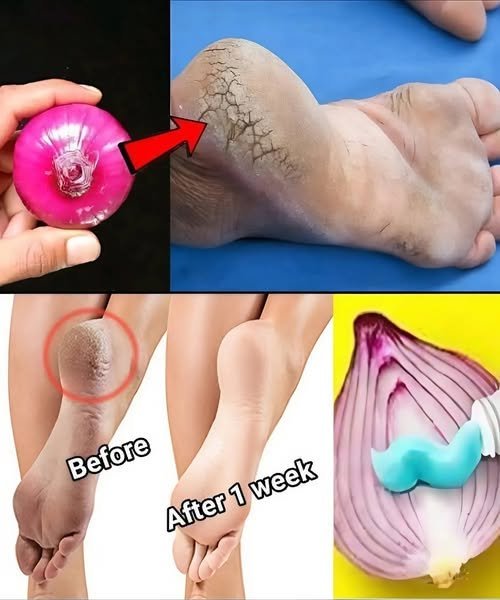
5 Natural Home Remedies for Cracked Heels (That Actually Work)
Tired of dry, splitting skin? Discover 5 natural home remedies for cracked heels that actually work, using simple ingredients from your kitchen.
There is a distinct, frustrating moment in late summer or winter when you slip your feet out of your shoes and realize your heels look less like human skin and more like a dry riverbed in a drought. Cracked heels—medically known as heel fissures—are more than just a cosmetic annoyance. When the skin loses its natural elasticity and moisture, pressure from standing or walking causes those dry calluses to split, sometimes leading to sharp pain, bleeding, and vulnerability to infection.
While pharmacy aisles are packed with expensive, heavily perfumed creams that promise overnight miracles, many of them rely on synthetic fillers that offer only temporary surface relief. Fortunately, some of the most effective solutions for restoring soft, smooth skin are already sitting in your kitchen pantry or bathroom cabinet.
Looking past chemical quick fixes reveals how simple, time-tested natural ingredients can deeply repair and nourish overworked feet.
Understanding Why Heels Crack in the First Skin Place
To fix cracked heels permanently, you first need to understand why they happen. The skin on the bottom of our feet is naturally thicker than anywhere else on the body and contains zero oil glands. This means your heels rely entirely on external moisture and internal hydration to stay pliable.
When you walk, the fat pad underneath your heel expands outward. If the skin lacks moisture and flexibility, it cannot stretch to accommodate that pressure, resulting in splits and fissures. Contributing factors include standing for long hours on hard floors, walking barefoot, using harsh soaps that strip natural oils, and underlying conditions like dehydration or vitamin deficiencies.
Ignoring early dryness allows calluses to thicken and split deeper, turning a minor maintenance issue into a painful physical problem.
Why Natural Remedies Outperform Harsh Commercial Lotions
Many commercial foot creams rely on alcohol bases and artificial fragrances that sting broken skin and dehydrate the barrier over time. Natural remedies, by contrast, focus on three vital dermatological pillars:
-
Humectants that draw moisture deep into the skin layers.
-
Emollients that soften rough, hardened patches of dead skin.
-
Occlusives that lock that moisture in overnight, preventing evaporation.
By utilizing whole-ingredient fats and natural acids, you support the skin’s natural healing cycle without exposing sensitive fissures to harsh synthetic irritants.
The Top 5 Natural Home Remedies for Cracked Heels
Implementing these targeted, home-based treatments can dramatically transform your foot health within a week of consistent care.
1. The Pure Coconut Oil Overnight Occlusive Treatment
Coconut oil is rich in medium-chain fatty acids that possess natural antimicrobial and deeply moisturizing properties.
-
How to use: Soak your feet in warm water for ten minutes, gently pat them dry, and massage a generous amount of virgin coconut oil directly into your heels. Slip on a pair of clean, breathable cotton socks to lock the oil in, and leave it on overnight while you sleep.
2. Raw Honey and Warm Water Foot Soak
Honey is a natural humectant, meaning it draws moisture from the air directly into the skin. It also has mild antibacterial properties that protect raw, cracked fissures from infection.
-
How to use: Mix half a cup of raw honey into a basin of warm water. Soak your feet for 15 to 20 minutes, gently massaging your heels as the honey softens the dead outer layers of skin. Rinse with clean water and pat dry.
3. Shea Butter and Sweet Almond Oil Balm
Shea butter is packed with Vitamins A and E, making it a supreme emollient for repairing damaged skin barriers, while almond oil provides lightweight, non-greasy nourishment.
-
How to use: Melt two tablespoons of raw shea butter with one tablespoon of sweet almond oil. Let it cool into a rich salve, then massage a thick layer into your heels nightly to restore structural elasticity.
4. Gentle Pure Aloe Vera Gel Infusion
Aloe vera contains polysaccharides that stimulate skin regeneration and soothe the inflammation associated with deep, painful heel splits.
-
How to use: Extract fresh gel from an aloe leaf (or use 100% pure commercial gel), apply it thickly to clean heels, and let it absorb for 20 minutes before rinsing, or leave it on overnight under socks for intensive cellular repair.
5. Olive Oil and Sugar Exfoliating Scrub
Physical exfoliation is necessary to remove thick calluses, but harsh plastic microbeads can tear fragile skin. A gentle oil-and-sugar scrub sloughs off dead cells while instantly replacing lost lipids.
-
How to use: Mix equal parts granulated sugar (or brown sugar) and extra virgin olive oil. Gently scrub your heels in circular motions for three to five minutes, then rinse thoroughly with warm water.
Step-by-Step Actionable Guide to an At-Home Spa Foot Routine
To maximize the effectiveness of these remedies, establish a consistent weekly protocol.
-
The Warm Soak: Begin with a 15-minute soak in warm water infused with Epsom salt or honey to soften keratinized dead skin cells.
-
The Gentle Slough: Use a clean pumice stone or foot file on wet skin. Never file dry skin, and never use metal razor blades, which can easily cause accidental cuts and deep infections.
-
The Deep Hydration: Immediately after patting your feet dry—while the skin is still slightly damp—apply your chosen natural oil, butter, or honey treatment.
-
The Barrier Lock: Always finish by covering your feet with clean cotton socks. This prevents the treatment from rubbing off on your bedsheets and traps body heat to open pores for deeper absorption.
Strategic Comparison: Commercial Creams vs. Natural Home Remedies
| Feature | Conventional Store-Bought Foot Creams | Natural Home Remedies |
| Ingredient Transparency | Often contains synthetic parabens, alcohols, and artificial scents | Uses recognizable whole-food fats, oils, and humectants |
| Skin Compatibility | Can sting or irritate open, bleeding heel fissures | Soothes, nourishes, and protects without chemical burn |
| Cost Efficiency | High ongoing expense for small commercial tubes | Highly economical using standard pantry items |
| Long-Term Healing | Surface-level masking of dryness | Deep structural barrier repair and moisture retention |
Pros and Cons of Natural Heel Care
-
Pros:
-
Highly cost-effective and accessible using common household items.
-
Free from harsh synthetic chemicals, artificial dyes, and stinging alcohols.
-
Deeply customizable based on skin sensitivity and ingredient availability.
-
Promotes mindful self-care and relaxation routines.
-
-
Cons:
-
Requires consistency and time rather than instant one-night cosmetic fixes.
-
Wearing overnight socks can feel cumbersome for hot sleepers.
-
Natural oils can make hardwood or tile floors slippery if walked on barefoot immediately after application.
-
Common Mistakes and How to Fix Them
-
Mistake: Using aggressive metal cheese-grater style shavers on dry heels.
-
Fix: Ditch the razors. Soak feet first and use a fine pumice stone with gentle, even pressure to prevent skin trauma.
-
-
Mistake: Applying moisturizers to dry, unwashed skin during the day.
-
Fix: Always apply oils or butters to clean, damp skin so the product can lock in existing moisture rather than sitting on top of dry buildup.
-
-
Mistake: Forgetting internal hydration and overall nutrition.
-
Fix: External oils only do half the job. Ensure you drink adequate water daily and consume healthy fats (like Omega-3s) to support skin elasticity from the inside out.
-
Expert Insights: Dermatological Perspectives on Skin Barriers
Dermatologists and skin-care experts emphasize that heel fissures are fundamentally a barrier-function failure. When the lipid matrix between skin cells breaks down, moisture escapes rapidly. Clinical studies highlight that occlusive agents like natural plant butters and pure oils mimic the skin’s natural sebum, creating an artificial barrier that allows the underlying epidermis to knit back together safely and naturally.
Frequently Asked Questions
-
How long does it take for cracked heels to heal naturally?
With consistent nightly care using natural oils and barrier protection, minor to moderate cracks typically show dramatic improvement within 7 to 14 days.
-
Can I use petroleum jelly instead of natural plant oils?
Petroleum jelly is an effective occlusive barrier, but it is a synthetic petroleum byproduct that only traps moisture without providing active nutrients or vitamins like coconut oil or shea butter do.
-
Why do my heels crack even when I moisturize?
If you are moisturizing over thick, dead calluses without exfoliating first, the cream cannot penetrate the hard outer layer. Exfoliation is a necessary first step.
-
Are cracked heels a sign of a medical condition?
Persistent, deep cracks that refuse to heal can sometimes indicate underlying health issues like diabetes, thyroid imbalances, or vitamin deficiencies (particularly Vitamin B3 or zinc). Consult a doctor if cracks bleed profusely or show signs of infection.
-
Is it safe to use a pumice stone every day?
No. Over-exfoliating signals your body to produce thicker skin to protect itself. Limit pumice stone use to once or twice a week.
-
Can walking barefoot cause cracked heels?
Yes. Walking barefoot increases friction, dries out the skin rapidly, and exposes the heels to repeated high-impact pressure against hard surfaces.
-
What vitamins are best for skin elasticity and foot health?
Vitamins A, C, E, and healthy Omega-3 fatty acids are critical for collagen production, skin repair, and moisture retention.
-
How can I prevent cracked heels from returning?
Maintain a weekly moisturizing routine, wear supportive shoes with enclosed backs rather than backless sandals, and avoid walking barefoot on hard floors.
Action Checklist for Soft, Healthy Heels
-
What to do:
-
Soak feet in warm water to soften dead skin before any filing.
-
Apply natural oils or butters to damp skin immediately after bathing.
-
Wear clean cotton socks overnight to lock in active moisture.
-
Drink plenty of water to support skin hydration from within.
-
-
What to avoid:
-
Using harsh metal razor blades or cheese-grater scrapers on your feet.
-
Walking barefoot on hard outdoor surfaces or dry indoor tile.
-
Applying chemical-heavy, scented lotions to open, bleeding fissures.
-
Skipping exfoliation while expecting heavy creams to penetrate thick calluses.
-
Restoring smooth, pain-free feet doesn’t require expensive salon treatments or harsh synthetic chemicals; simple kitchen staples like coconut oil, honey, and natural butters provide all the deep nourishment your skin needs to heal itself from the ground up.