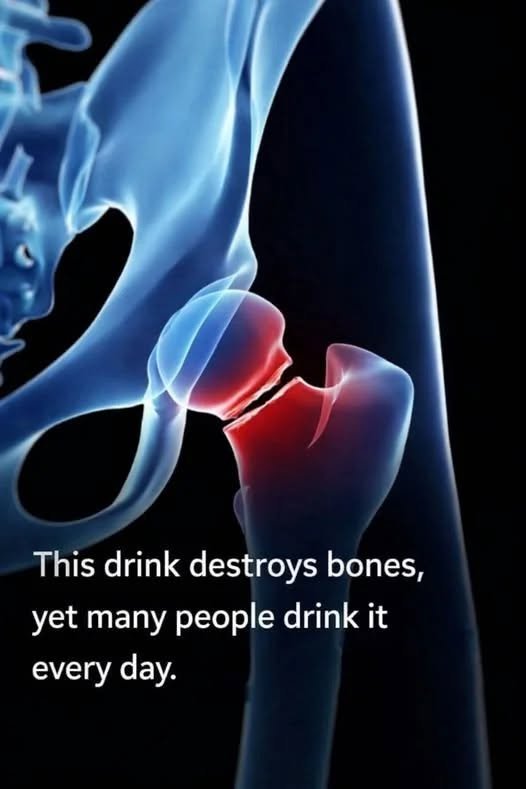
The Five Drinks That Are Most Harmful to Your Bones, According to Health Experts
Protect your skeletal health. Discover the five drinks most harmful to your bones, according to health experts, and learn how to keep your skeleton strong.
When most people think about protecting their skeletal health, their minds instantly jump to calcium supplements, vitamin D drops, and weight-bearing exercises like lifting or running. We invest heavily in building bone density during our youth and maintaining it as we age. Yet, many individuals unintentionally sabotage their bone health multiple times a day through the very beverages they pour into their glasses.
Bones are not static, lifeless structures; they are dynamic, living tissues that constantly undergo a process called remodeling—breaking down old bone tissue and building new bone in its place. When you regularly consume certain commercial beverages, you introduce chemical compounds that disrupt this delicate balance, leaching vital minerals out of your skeleton and accelerating bone mineral density loss.
According to leading health experts, rheumatologists, and nutritional endocrinologists, avoiding or severely limiting these five specific drinks is crucial for safeguarding your long-term mobility and strength.
Understanding How Beverages Impact Bone Density
To understand why certain drinks harm your bones, you must look at how the body maintains blood pH and mineral homeostasis. Your blood pH must remain strictly tightly regulated around 7.4. When you consume acidic beverages or substances that interfere with calcium absorption, your body must buffer that acidity or correct mineral imbalances.
Often, it does this by pulling calcium and other alkaline minerals directly out of your largest mineral reservoir: your bones. Over years of chronic exposure, this mineral borrowing weakens the microscopic trabecular lattice inside your bones, increasing your vulnerability to osteopenia and osteoporosis later in life.
Ignoring these dietary culprits can silently undermine decades of calcium-rich eating habits.
The Top 5 Drinks Most Harmful to Your Bones
Health experts point to these five common beverage categories as the primary liquid threats to skeletal integrity:
1. Traditional Cola and Dark Carbonated Sodas
Dark sodas are widely considered public enemy number one for skeletal health. Beyond the staggering amounts of refined sugar, colas contain high levels of phosphoric acid. While phosphorus is an essential mineral, an excessive ratio of phosphorus to calcium in your diet signals the parathyroid glands to pull calcium out of your bones to restore balance in the bloodstream. Furthermore, studies published in medical journals have linked daily cola consumption directly to lower bone mineral density in the hip and spine.
2. Excessively Caffeinated Energy Drinks
The booming energy drink market poses a double threat to your skeleton. First, massive doses of caffeine act as mild diuretics and can interfere with the kidneys’ ability to reabsorb calcium, leading to increased calcium excretion in your urine. Second, the extreme acidity and high sugar content in many energy drinks promote systemic inflammation, which suppresses the activity of osteoblasts—the specialized cells responsible for building new bone tissue.
3. Heavy Daily Alcohol Consumption
While an occasional glass of wine at dinner has a neutral or minor impact, chronic, heavy alcohol consumption is catastrophic for bone metabolism. Alcohol directly inhibits the cells that build new bone while simultaneously accelerating the cells that break it down. It also impairs the liver’s ability to activate Vitamin D, which is essential for intestinal calcium absorption, drastically stunting your body’s ability to repair micro-fractures.
4. Highly Sugary Sweetened Fruit Juices and Fruit Punches
Many people mistakenly assume that commercial fruit punches or heavily sweetened bottled juices are health foods because of fruit imagery on the label. In reality, processed juices often pack as much refined high-fructose corn syrup as a soda. Excess sugar triggers advanced glycation end-products (AGEs) in the body, which cross-link collagen fibers in bone tissue, making bones more brittle and prone to structural failure under physical stress.
5. Highly Caffeinated Commercial Coffee Drinks (Overconsumption)
While plain black coffee in moderation has antioxidants and minimal bone impact, massive daily doses of heavily caffeinated commercial coffee drinks (especially when loaded with sugar syrups and lacking adequate milk) can become problematic. If your coffee habit crowds out nutrient-dense water and milk, or if you consume more than 400mg of caffeine daily without sufficient calcium intake, your urinary calcium loss increases measurably.
Step-by-Step Actionable Guide to Protecting Your Skeleton
Transitioning away from bone-damaging beverages doesn’t mean you have to live on plain tap water forever. Follow these steps to optimize your liquid intake for bone strength:
-
Audit Your Daily Liquid Intake: Keep a honest three-day log of every drink you consume. Note how many sodas, energy drinks, or heavily sweetened beverages sneak into your daily routine.
-
Implement a Gradual Wean: If you are a daily cola drinker, do not quit cold turkey if caffeine withdrawal headaches are an issue. Reduce your intake by one serving every few days, substituting sparkling water with a splash of fresh lemon.
-
Prioritize Bone-Building Alternatives: Swap out sugary or acidic drinks for calcium-fortified plant milks, organic bone broths rich in natural collagen and minerals, or soothing herbal teas.
-
Hydrate with Remineralized Water: Ensure your daily drinking water provides trace minerals. If you use reverse osmosis systems that strip water of all minerals, consider adding a mineral drop supplement.
-
Pair Caffeine Wisely: If you enjoy morning coffee, ensure you consume it alongside a calcium-rich breakfast (like yogurt or leafy greens) rather than on an empty stomach to minimize mineral leaching.
Strategic Comparison: Bone-Damaging vs. Bone-Protective Drinks
| Feature | Bone-Damaging Drinks (Colas, Energy Drinks, Heavy Alcohol) | Bone-Protective Drinks (Water, Bone Broth, Fortified Milk) |
| Mineral Impact | Leaches calcium and disrupts phosphorus-calcium balance | Supplies bioavailable calcium, magnesium, and trace minerals |
| Acid-Base Balance | Highly acidic; forces body to buffer using skeletal minerals | Neutral or alkalizing; supports stable blood pH without bone loss |
| Cellular Activity | Inhibits bone-building osteoblasts; accelerates breakdown | Supports collagen synthesis and micro-architecture repair |
| Systemic Effect | Promotes inflammation and long-term mineral density loss | Enhances structural integrity, hydration, and resilience |
Pros and Cons of Eliminating Harmful Beverages
-
Pros:
-
Drastically reduces long-term risk of osteoporosis and bone fractures.
-
Improves overall metabolic health, energy levels, and dental health.
-
Lowers systemic inflammation throughout the body.
-
Promotes better hydration and more stable blood sugar control.
-
-
Cons:
-
Requires breaking deeply ingrained social and dietary habits.
-
Caffeinated beverage withdrawal can cause temporary fatigue or headaches initially.
-
Requires more mindful purchasing and label-reading at the grocery store.
-
Common Mistakes and How to Fix Them
-
Mistake: Relying solely on calcium supplements while continuing to drink multiple sodas daily.
-
Fix: You cannot out-supplement a bad diet. If you continue consuming phosphoric-acid-heavy colas, they will continually flush out the minerals you are trying to take in. Clean up the liquid intake first.
-
-
Mistake: Assuming diet sodas are safe for bones because they lack sugar.
-
Fix: Diet sodas still contain high concentrations of phosphoric acid and artificial additives that contribute to skeletal acidity. Do not let “zero sugar” fool your bones.
-
-
Mistake: Ignoring total daily fluid volume.
-
Fix: Dehydration concentrates urine and strains kidney function, which indirectly impairs mineral regulation. Drink adequate pure water daily.
-
Expert Insights: Endocrinological Perspectives on Peak Bone Mass
Endocrinologists and bone health specialists emphasize that peak bone mass—typically reached by age 30—sets the “savings account” balance for your skeleton for the rest of your life. Every poor dietary choice during your teens, twenties, and thirties draws down that account. Protecting your bones by eliminating harsh, demineralizing beverages early in life ensures that your skeleton remains robust and fracture-resistant in your later decades.
Frequently Asked Questions
-
Does sparkling water or club soda harm your bones?
No. Plain carbonated water (seltzer) gets its fizz from carbon dioxide dissolved in water, which creates a very mild carbonic acid, but it does not contain phosphoric acid. It is entirely safe for your bones.
-
How much caffeine is considered safe for bone health?
Most health authorities and the National Osteoporosis Foundation suggest keeping total daily caffeine intake under 400 milligrams (roughly 3 to 4 cups of brewed coffee), provided you consume adequate dietary calcium.
-
Can milk substitutes protect my bones as well as dairy milk?
Yes, as long as you choose plant-based milks (like almond, oat, or soy) that are explicitly fortified with calcium carbonate and Vitamin D, matching the nutritional profile of dairy.
-
Is bone broth actually beneficial for skeletal health?
Yes. Traditional bone broth provides bioavailable collagen, amino acids, and minerals like magnesium and calcium that support the organic matrix of bone tissue.
-
How quickly do bones recover after quitting soda?
While bone remodeling is a slow biological process that takes months, your systemic acid-base balance and hydration levels improve within days of removing phosphoric acid from your diet.
-
Does alcohol affect men and women differently regarding bone loss?
Both sexes suffer bone degradation from heavy alcohol use, but women face an accelerated risk post-menopause due to concurrent drops in estrogen, which is a key hormone for bone protection.
-
What vitamins are most critical to absorb calcium properly?
Vitamin D3 is essential for intestinal calcium absorption, and Vitamin K2 acts as the traffic cop, directing calcium out of your arteries and straight into your bone matrix.
-
Are sports drinks bad for bone density?
Most standard sports drinks are high in sugar and citric acid, making them unnecessary for everyday hydration and potentially harmful if consumed regularly without intense physical exertion.
Action Checklist for Lifelong Bone Strength
-
What to do:
-
Replace dark colas and energy drinks with pure water or herbal teas.
-
Choose calcium- and vitamin-D-fortified beverages if avoiding dairy.
-
Read ingredient labels carefully to watch for hidden phosphoric acid and added sugars.
-
Pair any necessary caffeine intake with calcium-rich whole foods.
-
-
What to avoid:
-
Consuming multiple sugary or phosphoric sodas on a daily basis.
-
Relying on supplements while ignoring destructive liquid dietary habits.
-
Excessive, chronic alcohol consumption that disrupts bone remodeling.
-
Mistaking sweetened commercial fruit juices for health tonics.
-
Protecting your skeleton requires looking closely at what you drink; cutting out phosphoric-acid-heavy sodas, sugary energy drinks, and excessive alcohol is one of the single most powerful steps you can take to preserve your bone density for a lifetime.