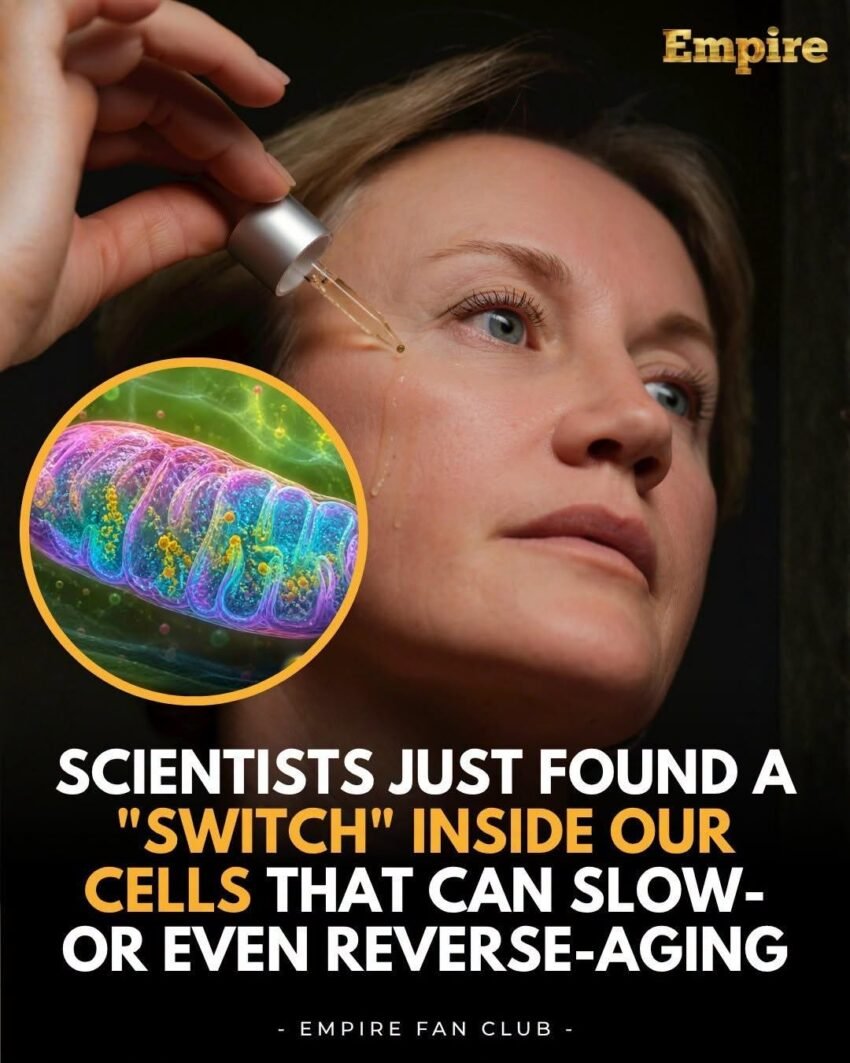
Inside the Cellular Shift: How Newly Discovered Organelle Remodeling Explains How Aging Takes Hold
We used to think aging was like an old car slowly rusting in the driveway—a passive, inevitable accumulation of wear and tear. Parts break down, rubber cracks, and eventually, things stop working. But recent breakthroughs in cellular biology are turning that outdated narrative on its head.
Aging isn’t just about passive decay; it is an active, structural reorganization of the microscopic factories inside our bodies.
Landmark research published in Nature Cell Biology has revealed a hidden cellular mechanism that dictates how we age. By discovering how cells actively remodel their internal architecture over time, scientists have pinpointed a fundamental trigger that could explain everything from metabolic decline to neurodegeneration—and more importantly, how we might one day halt it.
The Factory Floor Blueprint: What is the Endoplasmic Reticulum?
To understand what is changing, you have to look inside the cell at a sprawling, complex network called the endoplasmic reticulum (ER). Think of the ER as the primary manufacturing and distribution plant of the cell. It builds proteins and lipids (fats) that keep tissues functional, structurally sound, and metabolically active.
The ER isn’t uniform. It is broadly split into two distinct zones:
-
The “Rough” ER: Studded with ribosomes, this sheet-like region is heavily dedicated to protein synthesis.
-
The Tubular ER: A network of fine tubes more closely tied to lipid and fat metabolism.
Just like any industrial warehouse, when space gets tight or operational demands shift, layout optimization is everything. If the floor plan breaks down, production efficiency plummets. And that is precisely what researchers discovered happens as organisms age.
The Discovery: ER-Phagy and the Architectural Collapse
Using high-resolution microscopy and genetic models, a research team led by scientists at Vanderbilt University uncovered that aging cells do not just let their ER wear down—they actively reshape it through a targeted recycling process known as ER-phagy.
During ER-phagy, the cell selectively breaks down and digests specific parts of its own endoplasmic reticulum. The data revealed a striking pattern:
-
The Protein Crash: As cells age, they aggressively prune back the “rough” ER, leading to a steep decline in the zones responsible for protein production. This directly mirrors the classic hallmark of aging where cells lose their capacity to maintain healthy, stable proteins (proteostasis).
-
The Fat Preservation: Conversely, the tubular ER—responsible for lipid management—experiences a much slower, less dramatic decline. This mismatch helps explain age-related metabolic shifts, such as abnormal fat accumulation in tissues where it doesn’t belong.
Crucially, this remodeling process isn’t just an accidental byproduct of getting old; ER-phagy was directly linked to overall lifespan. It acts as an active driver that shapes how healthfully—or poorly—an organism ages.
Why This Changes Everything for Longevity Science
For years, anti-aging research has focused heavily on surface-level manifestations: telomere shortening, DNA damage accumulation, and mitochondrial burnout. While those matter, organelle remodeling happens comparatively early in the biological timeline.
Dr. Matthew Burkewitz, lead investigator on the study, noted that these shifts in the ER may serve as the upstream domino that triggers later dysfunction and chronic disease. If researchers can figure out what sparks this premature architectural breakdown, they can potentially intervene before the cascade of age-related disease ever begins.
Practical Takeaways: How to Support Cellular Resilience Today
While precision therapeutics targeting ER-phagy are still years away from human clinics, you can support your cellular infrastructure through evidence-based lifestyle habits:
-
Optimize Autophagy Through Fasting and Exercise: Cellular cleanup mechanisms like autophagy and its specialized branches are heavily regulated by nutrient sensing. Intermittent fasting and consistent cardiovascular exercise upregulate cellular recycling pathways, helping clear out damaged components before they cause metabolic gridlock.
-
Prioritize Protein Quality and Synthesis: Because rough ER degradation hampers protein management, consuming adequate, high-quality amino acids through lean proteins ensures your cells have the building blocks they need to sustain structural repair.
-
Mitigate Chronic Inflammation: Chronic systemic inflammation accelerates cellular stress and forces organelles into premature dysfunction. Anti-inflammatory dietary patterns (like a Mediterranean-style diet rich in polyphenols and omega-3 fatty acids) reduce the baseline burden on your cells’ manufacturing centers.
Frequently Asked Questions
What is ER-phagy in simple terms?
ER-phagy is a specialized form of cellular housekeeping where a cell targets specific, unwanted regions of its endoplasmic reticulum, breaks them down, and recycles their components.
Is organelle remodeling reversible?
While complete reversal is complex, research into longevity pathways shows that manipulating cellular recycling processes can restore functional youthfulness to aged tissues in laboratory models.
How does this connect to metabolism as we age?
Because the ER controls lipid and protein synthesis, its structural breakdown directly alters how the body processes fats and handles blood sugar, leading to common age-related metabolic issues.
Are scientists testing drugs to target this process?
Yes. Identifying ER-phagy as a core driver of aging gives pharmaceutical researchers a brand-new molecular target for developing therapies against metabolic and neurodegenerative diseases.
Does normal aging mean all cellular structures fail at the same rate?
No. Different organelles and cellular networks age asynchronously. The ER alters its architecture relatively early compared to other terminal breakdowns.
Can lifestyle interventions influence cellular recycling?
Absolutely. Physical activity, caloric restriction, and targeted nutritional strategies are proven natural triggers that stimulate cellular cleanup and recycling pathways.
Why are animal models like C. elegans used for this research?
Fast-aging organisms allow scientists to track a full lifespan and observe how cellular architecture shifts over time in weeks rather than decades, accelerating human translational discoveries.
What is the difference between old-school views of aging and this new data?
Older models viewed aging as passive, random damage. This new data proves that cells actively execute structural shifts—some protective, some maladaptive—that actively dictate how we age.
Action Checklist
-
What to do: Incorporate regular aerobic exercise and periods of metabolic rest (like intermittent fasting) to support natural cellular recycling; focus on clean protein intake and anti-inflammatory foods.
-
What to avoid: Relying on unverified “anti-aging” supplements that promise quick fixes; exposing your body to chronic metabolic stressors like high-sugar diets that accelerate cellular wear and tear.
Aging isn’t just a passive breakdown; it is an active architectural shift inside your cells. By decoding how organelles like the endoplasmic reticulum remodel themselves over time, science is moving closer to targeted therapies designed to preserve cellular layout, prevent chronic disease, and extend human healthspan.