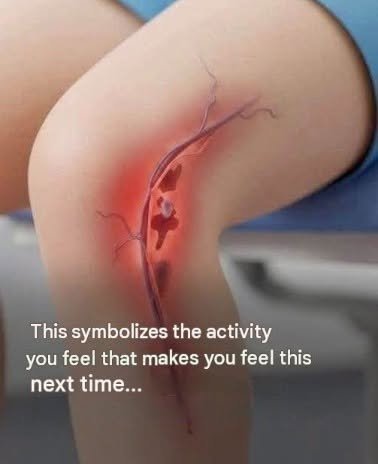
The Silent Danger Below: What Your Leg Symptoms Are Desperately Trying to Tell You
Dismissed that persistent ache in your calf as a hard day at work? Pushed past the swelling around your ankles, assuming you just stood on your feet for too long?
We have all been conditioned to brush off physical discomfort as the inevitable tax of aging or a busy lifestyle. But when it comes to your lower extremities, your body is remarkably transparent—and it rarely creates persistent symptoms without a compelling reason.
While most minor muscle strains or cramps vanish after a day or two of rest, certain leg symptoms serve as front-line warning signals for serious, systemic, and potentially life-threatening vascular conditions. Ignoring them doesn’t make them go away; it often allows hidden pathologies to progress behind the scenes.
By the time you finish reading this comprehensive guide, you will learn how to decode the hidden language of your legs, recognize the red flags of severe vascular disease, and know precisely when it is time to seek professional medical intervention.
The Anatomy of Vascular Distress: Why Legs Tell the Tale
Your legs are situated at the absolute terminus of your cardiovascular highway. Pumping blood down from your heart is relatively easy with the help of gravity, but pushing it back up against gravity from your feet and calves requires an intricate, high-stakes system of healthy arteries, elastic veins, and functioning one-way valves.
When this circulatory network begins to fail—whether due to plaque accumulation, damaged valves, or abnormal clotting—your lower limbs are the very first places to sound the alarm.
Why It Matters: The Modern American Vascular Crisis
In contemporary American society, sedentary desk jobs, long commutes, and diets high in processed foods have created a hidden epidemic of vascular and circulatory disorders.
The Consequences of Ignoring Alarming Leg Symptoms
When people treat severe warning signs as mere “nuisances,” the long-term consequences can be devastating:
-
Limb Loss and Tissue Necrosis: Conditions like Peripheral Artery Disease (PAD) cut off essential oxygen and nutrients, eventually turning minor cuts into non-healing ulcers or gangrene.
-
Life-Threatening Pulmonary Embolisms: Unaddressed blood clots can break free from deep leg veins and travel straight to the lungs with catastrophic results.
-
Chronic Debilitation: Advanced Chronic Venous Insufficiency (CVI) leads to permanent skin thickening, severe stasis dermatitis, and chronic, painful open sores.
4 Severe Conditions Hidden Behind Everyday Leg Symptoms
Let’s break down the specific warning signs and the dangerous conditions they frequently mask.
1. Sudden Swelling, Warmth, and Pain in One Leg
-
The Suspect: Deep Vein Thrombosis (DVT)
-
The Reality: If you notice that one calf or thigh has suddenly ballooned in size, feels tender, appears red or discolored, and is noticeably warm to the touch, you could be dealing with a deep vein thrombosis—a dangerous blood clot lodged in a major vein. DVT is a medical emergency because the clot can detach and travel through your bloodstream to your lungs.
-
Action Required: This is an immediate red flag. Seek urgent medical evaluation right away.
2. Cramping and Aching That Stops When You Rest
-
The Suspect: Peripheral Artery Disease (PAD)
-
The Reality: Does your calf, thigh, or hip cramp up intensely whenever you walk a short distance, only for the pain to mysteriously vanish a few minutes after you stop and rest? This classic pattern is known as intermittent claudication. It occurs when fatty plaque buildup narrows your arteries, starving your leg muscles of oxygen. PAD is a massive red flag indicating systemic atherosclerosis, sharply increasing your risk of heart attack or stroke.
3. Persistent Ankle Puffiness and Heavy, Aching Legs
-
The Suspect: Chronic Venous Insufficiency (CVI) & Varicose Veins
-
The Reality: If your lower legs feel like concrete blocks of fatigue by late afternoon, and your ankles are chronically puffy, your vein valves may have given up. When valves weaken, blood pools backward instead of moving upward. Left unchecked, this chronic pressure stretches skin, causes dark brown or purple pigmentation changes (stasis dermatitis), and eventually breaks down the skin barrier into painful, weeping venous ulcers.
4. Coldness, Numbness, or Non-Healing Sores on the Toes
-
The Suspect: Severe Arterial Insufficiency / Advanced Diabetic Microvascular Complications
-
The Reality: If one foot is consistently ice-cold compared to the other, or if a minor scrape on your toe refuses to heal for weeks, your circulation is critically compromised. Without adequate blood flow, white blood cells and nutrients cannot reach tissue injuries to repair them.
Step-by-Step Actionable Guide: How to Evaluate Your Leg Health
If you are experiencing unusual leg symptoms, don’t wait for a medical emergency. Follow this step-by-step framework to take control:
Step 1: Perform a Self-Audit (The Mirror Test)
Sit down in good lighting and examine both legs side by side. Look for:
-
Asymmetrical swelling (one leg larger than the other).
-
Color variations (paleness, bluish tints, or dark brownish discoloration near the ankles).
-
Shiny, tight, or thinning skin texture.
-
Bulging, twisted varicose veins.
Step 2: Track Your Symptoms
Keep a simple 7-day log answering these questions:
-
Does the pain happen predictably when walking a certain distance?
-
Does elevating your legs at the end of the day provide relief?
-
Do you experience night cramps that disrupt your sleep?
Step 3: Schedule the Right Specialist Consultation
Do not assume standard muscle relaxers or over-the-counter pain creams will fix vascular issues. Depending on your symptoms, request a referral to a board-certified vascular surgeon or a vein specialist who can perform a painless venous or arterial duplex ultrasound.
Real-World Scenarios
Scenario A: The Active Retiree in Florida
-
The Profile: 68 years old, notices that his right calf feels tight and sore during his morning walk, but assumes it’s just normal muscle aging.
-
The Turning Point: The cramping worsens until he can barely make it to the mailbox without stopping. A vascular screening reveals early Peripheral Artery Disease (PAD) caused by arterial plaque.
-
The Outcome: Catching it early allows him to alter his diet, adopt a supervised exercise program, and undergo a minimally invasive procedure to restore blood flow, saving him from severe complications.
Scenario B: The Desk-Bound Accountant in Chicago
-
The Profile: 42 years old, sits at a computer for 10 hours a day. Notices her left calf is suddenly swollen, tender, and warm.
-
The Turning Point: Recognizing the classic signs of Deep Vein Thrombosis (DVT), she bypasses her primary care waiting list and heads straight to urgent care.
-
The Outcome: Immediate diagnostic imaging confirms a dangerous blood clot. Prompt anticoagulant intervention prevents the clot from breaking off into her lungs.
Comparison Table: Harmless Muscle Soreness vs. Dangerous Vascular Symptoms
Pros & Honest Cons of Investigating Leg Symptoms Early
The Pros
-
Life-Saving Intervention: Early detection of a blood clot or arterial blockage prevents catastrophic medical events like pulmonary embolisms, heart attacks, or strokes.
-
Preservation of Mobility: Treating venous insufficiency or PAD early stops the progression toward chronic ulcers and permanent tissue damage.
-
Peace of Mind: Eliminating guesswork clears up whether your discomfort is a harmless muscle pull or a true vascular issue.
The Cons
-
Medical Diagnostic Costs: Specialized vascular ultrasounds and specialist consultations can carry out-of-pocket expenses depending on insurance coverage.
-
Anxiety of Diagnosis: Discovering an underlying circulatory issue requires lifestyle adjustments and medical compliance that can feel overwhelming at first.
Common Mistakes and How to Fix Them
-
Mistake 1: Blaming everything on “getting older” or arthritis.
-
The Fix: While joints wear down, true vascular claudication and blood clots have distinct biological mechanisms. Never write off persistent walking pain or swelling as mere aging.
-
-
Mistake 2: Massaging a swollen, painful calf.
-
The Fix: If your leg pain is actually a deep vein thrombosis (DVT), vigorously massaging the muscle can dislodge the clot and send it straight to your lungs. If one leg is suddenly swollen and tender, avoid deep tissue massage and seek medical evaluation.
-
-
Mistake 3: Masking symptoms with compression stockings without a diagnosis.
-
The Fix: While compression helps venous insufficiency, wearing high-pressure garments when you have severe arterial blockages (PAD) can further restrict vital blood flow. Always get a professional vascular assessment first.
-
Expert-Level Insights: Insider Knowledge
-
The Ankle-Brachial Index (ABI) Test: If you visit a vascular specialist for unexplained leg cramping, one of the first non-invasive tests they will perform is an ABI. It compares the blood pressure in your ankles with the blood pressure in your upper arms. A low ratio instantly flags arterial blockages long before catastrophic symptoms occur.
-
The Silent Nature of Early PAD: Over 50% of people with peripheral artery disease have atypical symptoms or no symptoms at all, making routine screening vital for individuals over 60 or those with a history of smoking and diabetes.
Frequently Asked Questions
1. How do I know if my leg swelling is dangerous or just water retention? Harmless water retention (edema) usually affects both legs equally, especially after long flights or hot days, and often leaves a temporary indent when you press your thumb into the skin (pitting edema). Swelling that affects only one leg, is accompanied by pain, warmth, or redness, and does not go away with elevation is a major red flag for a blood clot (DVT).
2. Can restless legs syndrome be a sign of a severe condition? While restless legs syndrome (RLS) often has neurological or iron-deficiency roots, clinical research frequently shows that underlying chronic venous insufficiency or poor circulation can trigger or mimic RLS symptoms.
3. What is the difference between varicose veins and deep vein thrombosis? Varicose veins are superficial surface veins with damaged valves that stretch and bulge out. DVT occurs in the deep veins buried deep inside the muscle tissue. While untreated varicose veins can increase overall venous pressure, a DVT is an acute, dangerous medical emergency.
4. Are leg cramps at night a sign of poor circulation? Occasional nighttime cramps are common and often linked to dehydration, electrolyte imbalances, or muscle fatigue. However, recurring, painful nocturnal cramps that disrupt your sleep can sometimes point to underlying vascular or nerve compression issues.
5. What should I do if I notice a sore on my foot that won’t heal? Schedule an appointment with a primary care doctor or a vascular specialist immediately. Non-healing foot and ankle ulcers are frequently tied to impaired arterial blood flow or severe venous disease, particularly in individuals with diabetes.
6. Can lifestyle changes reverse peripheral artery disease (PAD)? In its early stages, yes. Quitting smoking, managing blood pressure and cholesterol, eating a heart-healthy diet, and participating in structured walking programs can dramatically improve symptoms and slow down plaque progression.
7. When should I go straight to the emergency room for leg pain? Go to the ER immediately if you experience sudden, severe leg pain accompanied by sudden swelling, redness, warmth in one leg, a leg that feels ice-cold and pale, or if leg swelling is accompanied by chest pain or shortness of breath.
8. Are smokers at a much higher risk for dangerous leg conditions? Yes. Smoking damages the endothelium (the inner lining of your blood vessels), accelerates arterial plaque buildup (atherosclerosis), and dramatically increases your risk for both PAD and blood clots.
Action Checklist
What to Do:
-
Inspect your legs regularly for asymmetry, swelling, skin discoloration, or varicose veins.
-
Track any recurring pain, cramping, or heaviness that correlates with walking or standing.
-
Consult a board-certified vascular specialist or vein clinic if your symptoms persist or worsen.
-
Prioritize daily movement, hydration, and heart-healthy nutrition to support optimal microcirculation.
What to Avoid:
-
Do not ignore persistent, unexplained leg pain or assume it is just a sign of aging.
-
Avoid vigorously massaging a leg that is suddenly swollen, red, or warm (due to the risk of dislodging a clot).
-
Do not self-prescribe high-pressure compression therapy without confirming you do not have severe arterial blockages (PAD).
-
Avoid ignoring non-healing cuts or sores on your feet and lower legs.
Conclusion
Your legs carry you through life, but they also act as an early-warning system for your entire cardiovascular network. Recognizing the difference between ordinary muscle soreness and the distinct red flags of deep vein thrombosis, peripheral artery disease, or chronic venous insufficiency can literally save your life. Listen to what your body is trying to tell you, and never hesitate to seek expert medical evaluation when something feels wrong.
Don’t write off persistent leg pain, asymmetrical swelling, or skin changes as mere inconveniences. Early detection of underlying vascular conditions is your ultimate defense against severe complications.