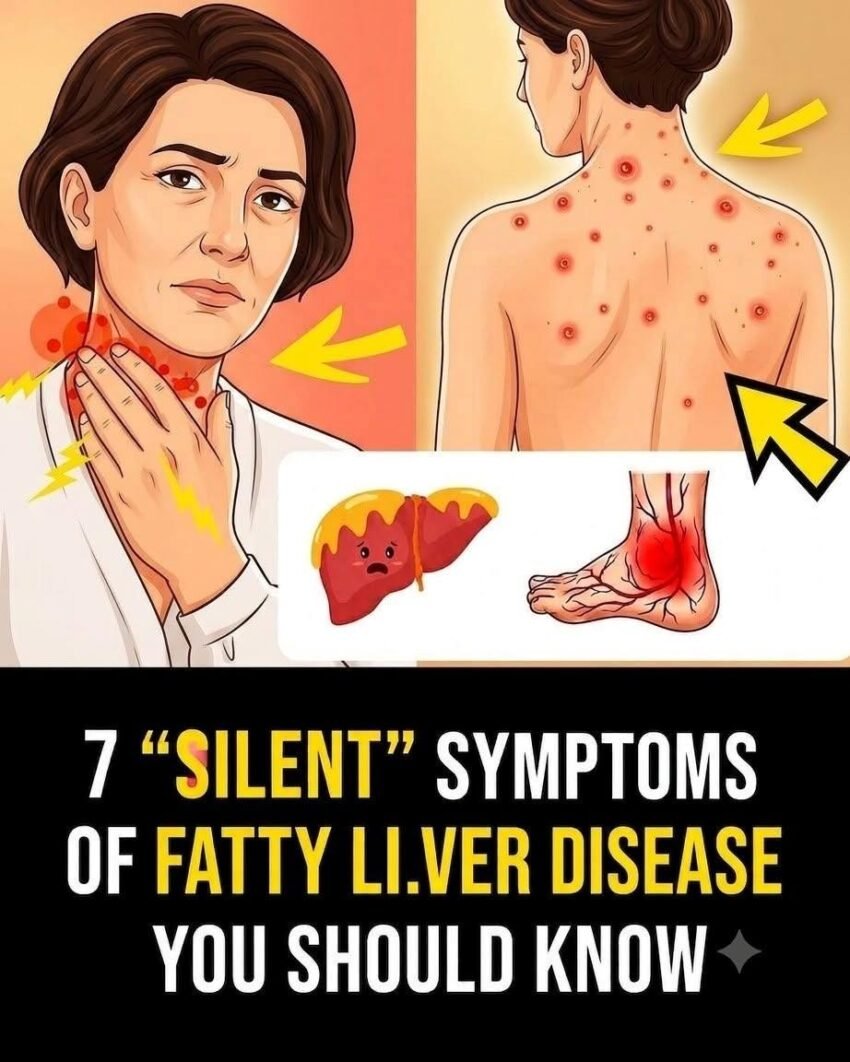
The Silent Epidemic: Fatty Liver Often Has Few Obvious Symptoms — But These 7 Signs Are Worth Noticing
Imagine walking around with a vital internal organ that is slowly becoming overwhelmed, struggling to process nutrients, store energy, and filter toxins—yet it gives you almost zero physical feedback.
For millions of people, that is the daily reality of a fatty liver.
Often dubbed a “silent condition” because it progresses quietly over years without causing acute pain, non-alcoholic fatty liver disease (NAFLD) and metabolic dysfunction-associated steatotic liver disease (MASLD) have quietly become one of the most common chronic health conditions in modern society. You go about your busy week, feel a bit tired, brush it off as normal life stress, and remain entirely unaware that your metabolic engine is under strain.
It is enough to make you feel uneasy about what might be happening beneath the surface of your skin.
Here is the truth nobody wants to emphasize: your liver does not have pain receptors on its actual tissue, meaning it cannot easily scream when it is overworked. Instead, it whispers through subtle, seemingly unrelated physical shifts.
By the time you finish reading this comprehensive guide, you will understand the hidden mechanics of fatty liver, the seven subtle warning signs your body might be sending you, and how to protect your most resilient organ before minor strain turns into lasting damage.
The Anatomy of a Silent Organ: How Fatty Liver Develops
To understand why fatty liver symptoms are so elusive, you have to look at how the liver functions.
Your liver is the body’s premier chemical processing plant. It manages over 500 vital functions, including breaking down fats, regulating blood sugar, clearing out toxins, and manufacturing essential proteins. When you consume excess calories—particularly refined carbohydrates, high-fructose corn syrup, and ultra-processed fats—your liver processes them into triglycerides.
When those triglyceride levels overwhelm the liver’s capacity, fat droplets begin accumulating inside liver cells (hepatocytes).
-
Stage 1 (Simple Steatosis): Excess fat builds up in the liver without widespread inflammation or tissue damage. At this stage, symptoms are virtually non-existent.
-
Stage 2 (Steatohepatitis / NASH/MASH): The fat buildup triggers chronic inflammation and cellular injury, eventually leading to fibrosis (scarring) if left unchecked.
Why It Matters: The Modern American Metabolic Crisis
In contemporary society, sedentary routines, chronic stress, and diets heavy in processed sugars have created a massive spike in fatty liver cases, affecting an estimated one-third of adults.
The Consequences of Ignoring Liver Strain
When mild fat accumulation is ignored and left unaddressed for decades, it can escalate into severe health complications:
-
Progressive Liver Scarring (Cirrhosis): Chronic inflammation replaces healthy liver tissue with stiff scar tissue, drastically impairing blood flow and organ function.
-
Systemic Metabolic Dysfunction: Fatty liver is intimately tied to insulin resistance, type 2 diabetes, and cardiovascular disease.
-
End-Stage Organ Failure: Advanced cirrhosis can lead to fluid accumulation in the abdomen, jaundice, and the need for a liver transplant.
7 Subtle Signs of Liver Stress Worth Noticing
Because your liver doesn’t hurt directly, you have to look for systemic red flags. Here are seven signs that your liver might be working overtime.
1. Persistent, Unexplained Fatigue
-
What it feels like: Waking up after eight hours of sleep feeling as though you barely closed your eyes, or hitting a wall of profound exhaustion every single afternoon.
-
Why it happens: Your liver is your body’s primary energy-regulation hub. When it is bogged down with fat and inflammation, its ability to store and release glucose efficiently plummets, draining your systemic energy reserves.
2. A Vague Dull Ache in the Upper Right Abdomen
-
What it feels like: A mild, persistent fullness, pressure, or dull discomfort right under your right ribcage.
-
Why it happens: While liver tissue lacks pain receptors, its outer protective capsule (Glisson’s capsule) is packed with them. When the liver enlarges and swells with fat and inflammation, it stretches this capsule, causing a dull, nagging sensation.
3. Sudden or Stubborn Belly Weight Gain (Visceral Fat)
-
What it feels like: Watching fat accumulate persistently around your midsection, even when you are watching your calories.
-
Why it happens: A fatty liver goes hand-in-hand with insulin resistance. When your liver is congested, it struggles to process lipids and regulate fat storage effectively, promoting a vicious cycle of increased visceral belly fat.
4. Unexplained Brain Fog and Difficulty Concentrating
-
What it feels like: Struggling to find words during conversations, losing your train of thought, or feeling like your brain is wrapped in cotton wool.
-
Why it happens: When metabolic efficiency drops and low-grade inflammation circulates through the bloodstream, cognitive processing speed and mental clarity take a direct hit.
5. Skin Changes: Dark Patches or Red Palms
-
What it feels like: Noticing dark, velvety patches of skin around your neck or armpits (acanthosis nigricans), or unusually red palms.
-
Why it happens: Skin tags and dark velvety patches are classic outward signs of underlying insulin resistance, which heavily correlates with fatty liver. Red palms can sometimes reflect altered estrogen metabolism and blood vessel dilation driven by liver stress.
6. Mild Digestive Sluggishness and Bloating
-
What it feels like: Feeling overly full after small meals, experiencing frequent bloating, or struggling to digest fatty foods comfortably.
-
Why it happens: Your liver produces bile, which is essential for breaking down dietary fats. A strained liver may produce altered or sluggish bile flow, slowing down overall digestion.
7. Elevated Liver Enzymes on Routine Blood Work
-
What it feels like: No physical sensation at all, but a surprise lab result showing high AST or ALT levels during an annual physical.
-
Why it happens: When liver cells are stressed or injured, they leak specific enzymes into your bloodstream. This is often the very first objective clue that your liver is struggling.
Step-by-Step Actionable Guide: How to Support and Reverse Fatty Liver
The incredible news about your liver is its miraculous capacity to regenerate. Unlike many other organs, if you remove the underlying strain, the liver can heal and clear out excess fat.
Step 1: Eliminate Liquid Sugars and High-Fructose Corn Syrup
Fructose is processed almost exclusively by the liver. When you flood your system with sugary sodas, sweet teas, and processed juices, the liver turns that excess fructose directly into fat. Swap them for water, unsweetened tea, or black coffee (which studies show has protective liver benefits).
Step 2: Adopt a Low-Glycemic, Mediterranean-Style Diet
Focus your plate on healthy fats (olive oil, avocados, wild-caught fish), high-fiber vegetables, and clean proteins. Lowering your intake of refined carbohydrates and white bread reduces the insulin spikes that drive fat accumulation in the liver.
Step 3: Prioritize Moderate, Consistent Movement
You don’t need to live in a hardcore gym to help your liver. Regular, moderate exercise—such as a 30-minute brisk daily walk or resistance training—helps burn off visceral fat and drastically improves your body’s insulin sensitivity.
Real-World Scenarios
To see how this works in daily life, let’s look at two common profiles.
Scenario A: The Stressed Professional in Chicago
-
The Profile: 45 years old, works 10 hours a day at a desk, relies on coffee and sugary snacks to push through afternoon fatigue, and notices a growing waistline.
-
The Turning Point: Routine annual blood work shows mildly elevated ALT liver enzymes.
-
The Transformation: Cuts out afternoon sugary snacks, replaces them with a handful of walnuts, starts a 20-minute evening walking routine, and watches their energy levels rebound and liver enzymes normalize within six months.
Scenario B: The Active Parent in Texas
-
The Profile: 52 years old, experiences a vague, dull fullness under the right ribs after heavy weekend meals.
-
The Turning Point: Consults a doctor, who orders an abdominal ultrasound that confirms mild fatty liver.
-
The Transformation: Shifts toward a clean Mediterranean eating pattern, eliminates processed seed oils and sugary beverages, and successfully reverses the condition through targeted lifestyle changes.
Comparison Table: Healthy Liver vs. Strained Fatty Liver
| Feature / Marker | Healthy Liver Function | Strained Fatty Liver (NAFLD / MASLD) |
| Cellular Composition | Smooth, pliable tissue with minimal fat storage. | Excess fat accumulation (steatosis) crowding liver cells. |
| Energy & Metabolism | Efficiently regulates blood sugar and stores/releases glycogen. | Impaired glucose regulation, contributing to fatigue and insulin resistance. |
| Liver Enzymes (ALT/AST) | Normal baseline ranges on blood panels. | Frequently elevated due to cellular stress and micro-injury. |
| Reversibility | N/A | Highly reversible in early stages through diet, weight management, and exercise. |
Pros & Honest Cons of Early Fatty Liver Detection
The Pros
-
Total Reversibility: Catching fatty liver early allows you to completely reverse the condition before scar tissue (fibrosis) forms.
-
Whole-Body Vitality: The exact lifestyle changes required to heal your liver (good sleep, whole foods, daily movement) dramatically improve your heart health, energy, and mental clarity.
The Cons
-
Requires Lifestyle Discipline: Reversing fatty liver demands a conscious departure from comfort foods, added sugars, and sedentary habits.
-
Silent Nature: Because early stages have almost no dramatic symptoms, staying motivated requires trusting lab data and internal health markers rather than waiting for pain cues.
Common Mistakes and How to Fix Them
-
Mistake 1: Waiting for severe pain before taking action.
-
The Fix: Remember that your liver doesn’t hurt until it is significantly enlarged or strained. Rely on annual blood work (liver panels) and metabolic check-ups rather than waiting for pain.
-
-
Mistake 2: Crash dieting or rapid starvation.
-
The Fix: While weight loss is crucial, losing weight too fast through extreme starvation can actually mobilize fat too quickly, worsening liver inflammation. Aim for slow, steady, sustainable fat loss (1 to 2 pounds per week).
-
-
Mistake 3: Ignoring hidden sugars in “healthy” foods.
-
The Fix: Read labels carefully. Many commercial yogurts, sauces, and “health bars” are packed with hidden high-fructose corn syrup that burdens the liver just as much as soda.
-
Expert-Level Insights: Insider Knowledge
-
The Coffee Protective Effect: Multiple large-scale hepatology studies have consistently shown that drinking 2 to 3 cups of black coffee daily is inversely associated with liver fibrosis progression. The active antioxidants and caffeine help suppress liver inflammation and collagen deposition.
-
The Visceral Fat Metric: Your waist-to-hip ratio is often a better immediate proxy for potential fatty liver risk than the bathroom scale alone, as metabolically active deep belly fat releases free fatty acids directly into the portal vein leading straight to the liver.
Frequently Asked Questions
1. Can a fatty liver be completely cured?
Yes! In its early stages (simple steatosis and early non-alcoholic steatohepatitis), a fatty liver can be completely reversed through a combination of whole-food nutrition, moderate weight loss, regular exercise, and eliminating alcohol and added sugars.
2. Does fatty liver only happen to people who drink alcohol?
No. Non-alcoholic fatty liver disease (NAFLD) and MASLD occur in people who drink little to no alcohol. It is driven primarily by metabolic dysfunction, insulin resistance, poor diet, and genetics.
3. What blood tests check for fatty liver?
Routine comprehensive metabolic panels include liver enzymes such as ALT (alanine aminotransferase) and AST (aspartate aminotransferase). However, a normal enzyme score doesn’t always rule out fatty liver entirely, which is why imaging like an ultrasound or FibroScan is sometimes used.
4. Is coffee really good for your liver?
Surprisingly, yes. Regular black coffee consumption has been shown in numerous medical studies to lower the risk of developing liver fibrosis, cirrhosis, and liver cancer.
5. How much weight do I need to lose to improve a fatty liver?
Clinical research shows that losing just 5% to 10% of your total body weight through steady, healthy lifestyle changes can dramatically reduce liver fat and quiet down cellular inflammation.
6. Can thin people get a fatty liver?
Yes. This is sometimes referred to as “lean NAFLD.” Even if someone is at a normal weight on the scale, a high-sugar diet, sedentary lifestyle, and genetic factors can cause fat to accumulate inside the liver.
7. What are the best foods to eat for liver health?
Focus on leafy greens, cruciferous vegetables (broccoli, Brussels sprouts), fatty fish rich in omega-3s, extra virgin olive oil, garlic, berries, and nuts.
8. When should I see a specialist for fatty liver?
If your primary care physician notices persistently elevated liver enzymes, abnormal imaging results, or if you have risk factors like type 2 diabetes and metabolic syndrome, they may refer you to a hepatologist or gastroenterologist for specialized evaluation.
Action Checklist
What to Do:
-
Request a routine liver enzyme panel (ALT and AST) during your next annual physical.
-
Eliminate sugary beverages, sodas, and hidden high-fructose corn syrup from your daily routine.
-
Adopt a nutrient-dense, whole-food diet rich in healthy fats, fiber, and clean protein.
-
Incorporate 30 minutes of moderate daily movement (like brisk walking) to improve insulin sensitivity.
-
Enjoy moderate amounts of black coffee or green tea, which offer proven liver-protective properties.
What to Avoid:
-
Avoid ignoring subtle signs like chronic fatigue or a dull ache under your right ribs.
-
Do not engage in extreme, crash-diet starvation programs that can trigger rapid liver inflammation.
-
Avoid excess alcohol consumption, which compounds liver stress.
-
Do not rely on the bathroom scale alone; focus on metabolic health and waist circumference.
Conclusion
Your liver is a silent, tireless worker that rarely complains until it is pushed to its absolute limits. By learning to recognize the subtle whispers of liver strain—from persistent fatigue and midsection weight gain to vague upper-right discomfort—you can take control of your metabolic health before minor fat accumulation turns into lasting damage. Tune into your body, clean up your daily fuel, and give your liver the support it needs to heal.
Don’t wait for pain to take care of your liver. Notice the subtle signs of metabolic fatigue, cut out hidden sugars, and protect your liver’s incredible capacity to heal before it’s too late.