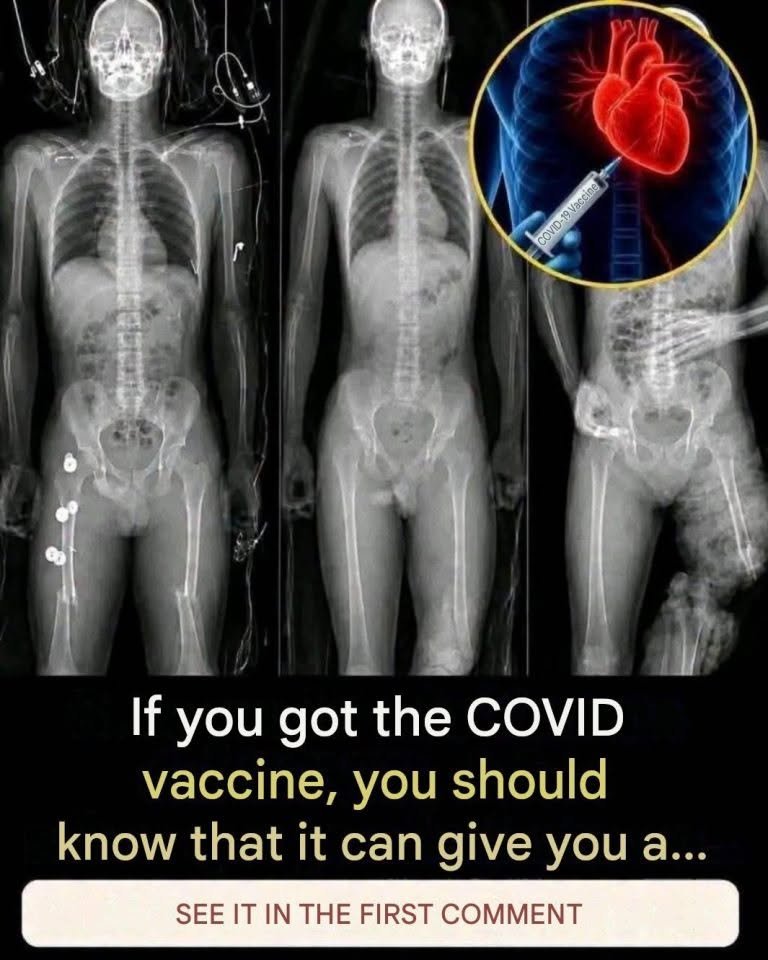
The Truth Behind “Global Alerts” for COVID-19 Vaccinated Individuals: What You Need to Know
Unpack the facts behind viral claims of global health alerts for COVID-19 vaccinated individuals. Separating medical reality from misinformation.
If you spend any time scrolling through social media, alternative blogs, or niche forums, you have likely stumbled across dramatic headlines warning of a “global alert” or “emergency warning” issued for people who received a COVID-19 vaccine.
These posts often use urgent language, citing mysterious international committees, misinterpreted data, or supposedly suppressed whistleblowers. For anyone who has received the vaccine—or has family members who have—these types of sensationalized claims can naturally trigger anxiety, confusion, and frustration.
As an investigative overview tracking public health communications and digital media trends, let’s look at where these rumors originate, what international health authorities actually say, and how to evaluate medical information online safely.
Where Do “Global Alert” Claims Come From?
In the digital ecosystem, viral health claims rarely appear out of nowhere. They generally follow a predictable pattern:
-
Misinterpreted Pharmacovigilance Data: Systems like the CDC’s VAERS (Vaccine Adverse Event Reporting System) or the WHO’s global databases are designed to collect any medical event that happens after a vaccination, regardless of whether it was caused by the vaccine. Misinformation networks frequently take these raw, unverified reports and present them as confirmed mass casualty events or active alerts.
-
Out-of-Context Scientific Studies: A preliminary lab study or a heavily caveated paper is often stripped of its context, exaggerated, and repurposed to claim that a sweeping danger has been officially “discovered.”
-
recycled Hoaxes: Many viral alerts recirculate every few months with updated dates, repackaged to look like breaking news even though independent fact-checkers have debunked them repeatedly over the years.
What Do Official Global Health Authorities Track?
Major international organizations—including the World Health Organization (WHO), the Centers for Disease Control and Prevention (CDC), and the European Medicines Agency (EMA)—continuously monitor vaccine safety through robust, multi-year post-marketing surveillance.
While medical interventions can carry rare side effects (which health agencies document transparently), extensive global tracking data covering billions of administered doses confirms that severe or long-term adverse events remain statistically rare. Official global alerts are issued for pathogens, contaminated product batches, or sudden outbreak spikes—not as blanket warnings targeting people who have been immunized.
How to Spot Health Misinformation Online
Navigating medical content online requires a sharp eye. Before sharing or reacting to a dramatic post, run it through this quick checklist:
-
Check the Source: Does the claim come from a recognized medical institution (like the Mayo Clinic, WHO, or CDC), or is it hosted on an unverified blog relying on anonymous sources?
-
Look for Emotional Manipulation: Real science relies on objective data, statistics, and transparent limitations. If a headline uses all-caps, intense fear-mongering, or demands immediate panic, it is usually designed for clicks rather than truth.
-
Consult Fact-Checking Databases: Independent organizations like Full Fact, FactCheck.org, and major medical news outlets routinely analyze viral medical claims to separate fact from fiction.
Frequently Asked Questions
1. Has the WHO or CDC issued any recent emergency alerts regarding COVID-19 vaccines?
No. Health authorities monitor safety data continuously, but no global alert has been issued warning against individuals who have received the vaccine.
2. Are rare side effects still being monitored?
Yes. Pharmacovigilance systems track potential long-term trends globally, which is standard procedure for any widespread pharmaceutical product or vaccine.
3. Why do false safety alerts spread so quickly on social media?
Sensationalized, fear-inducing content naturally triggers high engagement (shares, comments, and outrage), which algorithmic feeds tend to amplify.
Viral claims about a “global alert” for COVID-19 vaccinated individuals are consistently driven by misconstrued data, recycled rumors, and clickbait culture rather than official medical warnings. Always verify health news through trusted, evidence-based medical institutions.
Have you encountered confusing health headlines online recently? Share your thoughts or questions in the comments below.