9 Hidden Signs of Diabetes You Should Never Ignore
Type 2 diabetes rarely arrives with a dramatic announcement. Instead, it creeps in quietly, masking its early stages behind symptoms we tend to blame on stress, aging, or a busy lifestyle. Here are nine subtle signs you should never ignore.
Discover 9 hidden signs of diabetes that are easy to overlook. From frequent infections to blurry vision, learn what your body is trying to tell you.
The Stealthy Nature of Rising Blood Sugar
When we think of diabetes symptoms, classic markers like extreme thirst or rapid weight loss usually come to mind. But for millions of people living with prediabetes or early-stage Type 2 diabetes, the initial warning signs are far more subtle.
Because blood sugar levels rise gradually, the human body adapts to small shifts over months or even years. You might find yourself feeling a little more tired, chalking it up to a lack of sleep, or assuming a stubborn skin rash is just a reaction to new laundry detergent.
Learning to recognize these quiet whispers from your body can help you catch insulin resistance long before it develops into a serious medical issue. Let’s look at nine hidden signs of diabetes that fly under the radar.
1. Persistent, Unexplained Fatigue
Normal exhaustion disappears after a good night’s rest. Diabetes-related fatigue, however, is a deep, unyielding weariness. When your cells cannot efficiently absorb glucose (sugar) from your bloodstream due to insulin resistance or a lack of insulin, your body is essentially starved of its primary fuel source, leaving you feeling constantly drained.
2. Frequent Yeast Infections or UTIs
High levels of glucose in the blood and bodily fluids create a welcoming environment for bacteria and fungi to thrive. If you notice a sudden, inexplicable uptick in recurrent urinary tract infections (UTIs) or yeast infections, it can be a vital internal indicator of elevated blood sugar.
3. Blurry Vision That Comes and Goes
When blood sugar spikes, it can cause fluid shifts inside the body, changing the shape of the lens in your eye. Many people mistake this for a sudden need for new reading glasses, only to find that their vision clears up once their blood sugar levels stabilize.
4. Cuts and Bruises That Take Forever to Heal
High circulating glucose impairs circulation and weakens the immune system’s response, making it difficult for the body to repair damaged tissue. If a minor paper cut or a small bruise lingers on your skin for weeks instead of days, pay close attention.
5. Unexplained Itchy or Dry Skin
As your body flushes out excess glucose through frequent urination, it pulls moisture from tissues throughout the body, leading to systemic dehydration. This often manifests as tight, flaky skin accompanied by persistent itching—particularly around the lower extremities or groin folds.
6. Tingling or Numbness in the Hands and Feet
Known medically as peripheral neuropathy, high blood sugar over time can damage the delicate nerve endings in your extremities. If you experience occasional “pins and needles,” a burning sensation, or a mild numbness in your fingers or toes, it should never be written off as a pinched nerve.
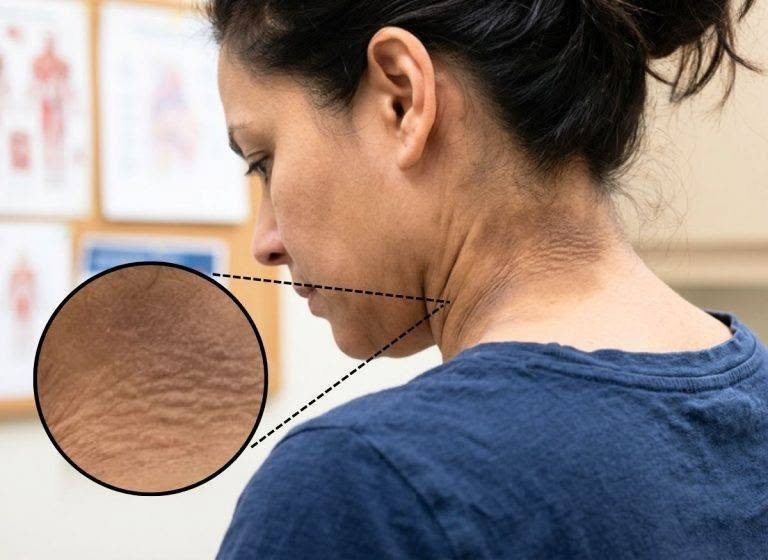
7. Dark, Velvety Skin Patches (Acanthosis Nigricans)
If you notice dark, smooth, velvety patches of skin forming in the creases of your body—such as the back of your neck, armpits, or groin—this is a classic physical sign of high insulin resistance. It occurs when excess insulin stimulates melanin production in skin cells.
8. Constant Hunger Despite Eating (Polyphagia)
Even though you may have just eaten a hearty meal, your cells are still signaling that they are starving because glucose cannot get inside them. This triggers an intense, unrelenting appetite and persistent sugar cravings.
9. Brain Fog and Difficulty Concentrating
Dehydration caused by frequent urination, combined with micro-vascular inflammation in the brain from fluctuating glucose, can leave you feeling mentally fuzzy. If your focus feels cloudy and your short-term memory seems to slip more often, blood sugar instability could be playing a role.
Comparative Analysis: Subtle Signs vs. Dismissed Everyday Causes
| Hidden Sign | What We Usually Blame It On | The Underlying Diabetes Connection |
| Persistent Fatigue | Busy work schedule, poor sleep | Cells lack glucose energy due to insulin inefficiency. |
| Frequent Infections | Poor hygiene, tight clothing | Excess sugar feeds bacteria and yeast growth. |
| Blurry Vision | Eye strain, aging, needing glasses | Fluid shifts alter the shape of the eye’s lens. |
| Dark Skin Patches | Dirt, friction, dry skin | Insulin resistance triggers abnormal skin cell growth. |
Common Pitfalls and How to Avoid Them
-
Pitfall 1: Normalizing Symptoms Due to Age.
-
The Danger: Writing off fatigue, slow healing, or vision shifts as “just getting older.”
-
The Fix: Look at your baseline health. Aging should not cause abrupt physiological shifts or chronic, lingering symptoms.
-
-
Pitfall 2: Treating Skin Issues Topically Only.
-
The Danger: Using endless antifungal creams or heavy lotions to treat recurring rashes or dry skin without checking root causes.
-
The Fix: If infections or skin dryness keep returning, ask your doctor for a simple A1C blood test to check your average blood sugar.
-
Expert Insights: Why Early Screening Matters
Endocrinologists and primary care physicians emphasize that prediabetes and early Type 2 diabetes can often be managed—or even reversed—through targeted lifestyle interventions, diet adjustments, and increased physical activity before permanent damage occurs. Catching these hidden signs early gives you the power to change your health trajectory.
Frequently Asked Questions
1. What blood test checks for diabetes?
The most common and accurate diagnostic test is the Hemoglobin A1C test, which measures your average blood sugar levels over the past three months. Fasting blood glucose tests are also routinely used.
2. Can thin people develop Type 2 diabetes?
Yes. While carrying excess weight is a primary risk factor, Type 2 diabetes can affect individuals of any body size due to genetics, diet, physical inactivity, or ethnic predisposition.
3. Are these symptoms the same for Type 1 and Type 2 diabetes?
Both types share symptoms like thirst, fatigue, and frequent urination. However, Type 1 symptoms typically appear abruptly and severely over a few weeks, whereas Type 2 develops slowly over years.
4. Can prediabetes cause these hidden symptoms?
Yes. Even before a full diabetes diagnosis, prediabetes can cause mild fatigue, sluggish wound healing, and skin changes as the body struggles to process insulin.
5. How often should I get my blood sugar checked?
Adults over the age of 35, or anyone with risk factors like a family history of diabetes, high blood pressure, or polycystic ovary syndrome (PCOS), should discuss routine screening schedules with their doctor.
6. Do these signs appear all at once?
Rarely. You might only experience one or two subtle signs at first, which is why they are so easy to miss or dismiss.
7. Can lifestyle changes reverse prediabetes?
Absolutely. Losing a modest amount of weight, eating a balanced diet low in refined sugars, and exercising regularly can lower blood sugar and prevent prediabetes from turning into Type 2 diabetes.
8. When should I call a doctor?
If you notice a cluster of these symptoms persisting for more than two weeks, schedule a routine check-up and request a blood sugar panel.
Action Checklist
What to Do:
-
Monitor your body for a combination of subtle, persistent shifts like fatigue, slow healing, or recurrent infections.
-
Schedule an annual physical exam with your primary care physician to check your baseline blood glucose.
-
Prioritize whole foods, hydration, and regular movement to support healthy metabolic function.
What to Avoid:
-
Ignoring recurring health quirks under the assumption that they are just a normal part of a stressful life.
-
Relying on self-diagnosis online without verifying your metabolic health through professional lab work.
Your body communicates through subtle clues long before a major health crisis occurs. By paying attention to these hidden signs of diabetes and seeking early medical guidance, you take control of your metabolic health and secure your long-term well-being.