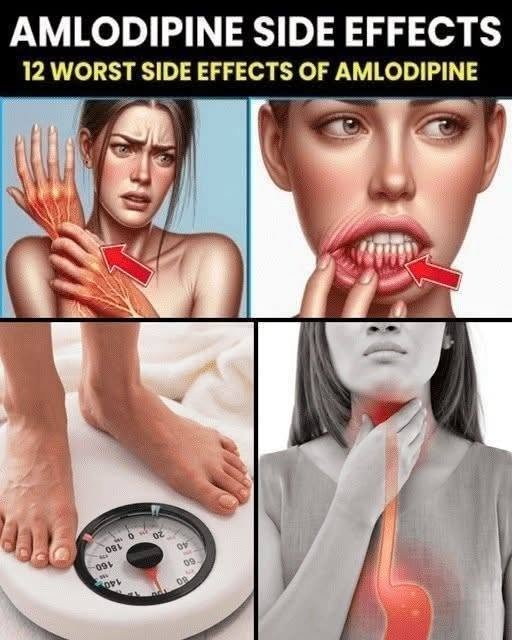
Amlodipine Side Effects: The 12 Most Important Reactions to Watch For
Amlodipine (commonly known by brand names like Norvasc) is a widely prescribed medication used to manage high blood pressure and coronary artery disease. While it is effective for millions, it comes with a distinct profile of side effects. Here are 12 noteworthy side effects ranging from common annoyances to severe medical red flags.
Taking amlodipine? Explore 12 of the most important side effects—from common ankle swelling to rare serious risks—and learn when to call your doctor.
Understanding How Amlodipine Works
Amlodipine belongs to a class of medications called calcium channel blockers. It works by relaxing the smooth muscles of your blood vessels, causing them to widen and allow blood to flow more easily.
While widening blood vessels successfully lowers blood pressure, it can also trigger a cascade of secondary physiological reactions. Let’s break down 12 of the most common and concerning side effects associated with the drug.
The 12 Key Side Effects of Amlodipine
1. Peripheral Edema (Ankle and Leg Swelling)
-
What it looks like: Puffy, heavy ankles, tight-feeling feet, or indentations left behind by socks.
-
Why it happens: This is the most frequently reported side effect of amlodipine. Because the medication dilates arterial blood vessels more than venous vessels, fluid can leak out into surrounding tissues, pooling naturally in the lower extremities due to gravity.
2. Dizziness and Lightheadedness
-
What it looks like: A brief spinning sensation or unsteadiness, particularly when standing up too quickly from a sitting or lying position.
-
Why it happens: Known as orthostatic hypotension, this occurs when your blood pressure drops as the medication takes full effect and your circulatory system takes a moment to adjust.
3. Facial Flushing and Warmth
-
What it looks like: Sudden redness, a warm sensation in the face, neck, or upper chest.
-
Why it happens: The rapid widening of surface blood vessels causes a sudden rush of blood close to the skin’s surface.
4. Heart Palpitations
-
What it looks like: A sudden awareness of your heartbeat, feeling like your heart is racing, pounding, or fluttering in your chest.
-
Why it happens: As blood vessels dilate and blood pressure dips, your heart may temporarily beat faster to compensate and maintain proper circulation. (Clinical data notes this is reported more frequently by women than men).
5. Persistent Fatigue and Drowsiness
-
What it looks like: A deep, low-energy heaviness or a desire to sleep during the day, especially during the first few weeks of starting the prescription.
-
Why it happens: As your body adapts to lower overall blood pressure, your central nervous system may experience a temporary slump in physical vigor.
6. Headaches
-
What it looks like: Mild to moderate tension headaches, particularly prevalent during the initial phase of treatment or following a dosage increase.
-
Why it happens: The abrupt expansion of blood vessels in the brain can trigger throbbing tension until your vascular system adjusts to the new normal.
7. Nausea and Mild Abdominal Discomfort
-
What it looks like: Mild queasiness, stomach cramping, or a bloated feeling after taking a dose.
-
Why it happens: Calcium channel blockers can gently slow down gastrointestinal tract motility, leading to mild digestive friction.
8. Severe Hypotension (Dangerously Low Blood Pressure)
-
What it looks like: Extreme dizziness, confusion, cold clammy skin, fainting spells, or blurred vision.
-
Why it happens: While the drug is meant to lower blood pressure, an excessive drop starves the brain and vital organs of optimal blood flow. This requires immediate medical evaluation.
9. Worsening Chest Pain (Paradoxical Angina)
-
What it looks like: Tightness, pressure, or crushing pain in the chest area, particularly right after starting amlodipine or raising your dose.
-
Why it happens: In rare cases—often related to pre-existing coronary artery disease—a sudden drop in blood pressure can paradoxically reduce blood supply to the heart muscle itself.
10. Gingival Hyperplasia (Gum Overgrowth)
-
What it looks like: Swollen, puffy gums that may bleed easily or grow over the base of your teeth.
-
Why it happens: A rare, long-term side effect associated with calcium channel blockers where gum tissue reacts to the medication by over-multiplying. Good dental hygiene helps manage this.
11. Peripheral Neuropathy (Numbness and Tingling)
-
What it looks like: Persistent “pins and needles,” a loss of balance, or numbness in the fingers, hands, toes, or feet.
-
Why it happens: Though rare, chronic use can occasionally impact peripheral nerve signaling or create localized pressure symptoms.
12. Severe Allergic Reactions (Anaphylaxis)
-
What it looks like: Widespread hives, skin blistering, peeling skin, or sudden swelling of the lips, tongue, or throat causing difficulty breathing.
-
Why it happens: An immune system hypersensitivity reaction to the active drug or chemical binders in the tablet. This is a medical emergency requiring 911.
Comparative Quick-Glance Table
| Side Effect Category | Common or Rare? | Severity Level | What to Do |
| Ankle Swelling | Common | Mild to Moderate | Elevate legs; consult doctor about dosage adjustments. |
| Dizziness / Fatigue | Common | Mild | Rise slowly; allow your body time to adjust. |
| Heart Palpitations | Moderate | Moderate | Monitor frequency; report persistent fluttering to a doctor. |
| Severe Low BP / Chest Pain | Rare | Severe | Seek immediate medical attention. |
| Allergic Reactions | Rare | Critical / Emergency | Call emergency services immediately. |
Critical Warnings and Food Interactions
-
Avoid Grapefruit: Do not consume fresh grapefruit or drink grapefruit juice while taking amlodipine. Grapefruit blocks the liver enzymes responsible for breaking down the medication, causing a dangerous buildup of the drug in your bloodstream.
-
Alcohol Caution: Limit alcohol consumption. Alcohol further dilates blood vessels, compounding amlodipine’s blood-pressure-lowering effects and increasing dizziness or fainting risks.
Frequently Asked Questions
1. Will amlodipine side effects go away on their own?
Mild side effects like headaches, flushing, and initial fatigue often subside within 1 to 2 weeks as your body adjusts to the medication. However, persistent issues like chronic ankle swelling usually require medical management.
2. Can I stop taking amlodipine if the side effects bother me?
Never stop taking a blood pressure medication abruptly without consulting your doctor. Stopping suddenly can trigger a dangerous rebound spike in blood pressure.
3. Does amlodipine cause weight gain?
Amlodipine doesn’t inherently cause direct fat accumulation, but the fluid retention and subsequent peripheral edema (ankle and leg swelling) can cause the scale to creep up.
4. When is ankle swelling a sign of something worse?
While mild ankle swelling is a known cosmetic side effect of amlodipine, sudden, severe swelling accompanied by shortness of breath or rapid weight gain can indicate heart stress and requires prompt medical attention.
Action Checklist
What to Do:
-
Track your symptoms and note when side effects occur relative to taking your daily dose.
-
Consult your doctor if common side effects like swelling or fatigue become disruptive; they may adjust your dosage or suggest alternative medications.
-
Keep regular follow-up appointments to monitor your blood pressure and kidney function.
What to Avoid:
-
Stopping your medication cold turkey because of a mild side effect.
-
Consuming grapefruit products while actively taking amlodipine.
Amlodipine is a powerful tool for controlling cardiovascular health, but it is not without physical trade-offs. Recognizing the difference between a minor adjustment symptom and a severe adverse reaction ensures you stay safe and proactive in managing your health.