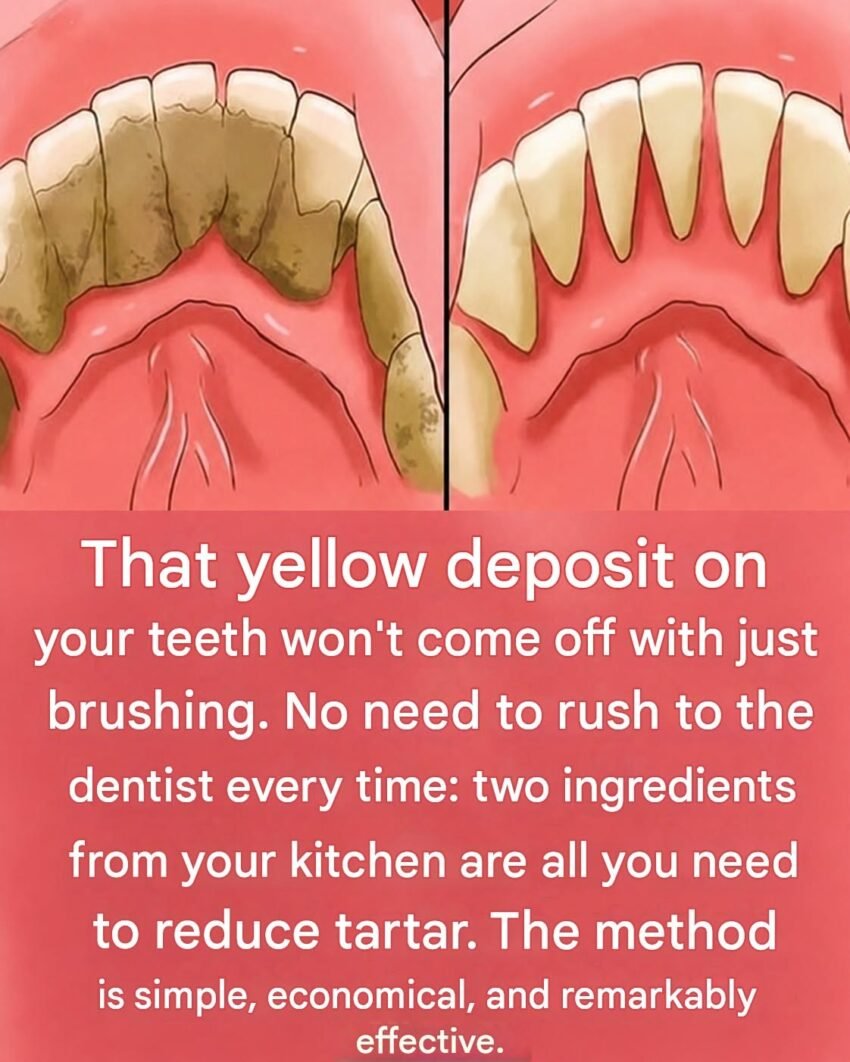
Be Your Own Dentist? The Truth About Removing Tartar Buildup at Home
When you spot a hard, yellowish-brown crust forming along your gumline or behind your lower front teeth, it’s tempting to grab a metal tool and try to scrape it away yourself. The internet is full of DIY dental tutorials claiming you can save hundreds of dollars by being your own dentist at home. But is it safe?
Want to remove tartar buildup at home? Explore why DIY dental scraping is dangerous, learn the difference between plaque and tartar, and discover how to protect your smile.
The Allure of the DIY Dental Toolkit
With professional dental care costs rising and insurance coverage often limited, it’s no surprise that at-home dental tools have flooded online marketplaces. For a fraction of the cost of a dental cleaning, you can order a stainless steel dental pick online and attempt to chip away at stubborn deposits on your teeth.
The DIY approach feels empowering, cost-effective, and immediate. But when dental professionals look at these tools, they see a recipe for severe oral injury. Can you safely remove hardened tartar at home, or does the “be your own dentist” trend cross a dangerous line?
Plaque vs. Tartar: Why Home Removal Doesn’t Work
To understand why scraping tartar at home is a hazard, you have to understand what you are actually looking at on your teeth:
-
Dental Plaque: Plaque is a soft, sticky, colorless film of bacteria that constantly forms on your teeth. You can easily and safely remove plaque at home every day by brushing twice and flossing daily.
-
Tartar (Calculus): If plaque is left uncleaned for even 24 to 72 hours, it reacts with the minerals in your saliva and hardens into tartar. Tartar is essentially calcified rock attached firmly to your tooth enamel.
Once plaque hardens into tartar, it bonds so strongly to the tooth surface that no amount of home brushing, flossing, or scraping with household tools can safely remove it. It requires specialized ultrasonic scalers and professional dental instruments designed to fracture the calculus without destroying the underlying tooth structure.
The Hidden Dangers of “Be Your Own Dentist”
Attempting to scrape tartar off your teeth yourself using metal dental picks or makeshift tools carries severe risks:
-
Pitfall 1: Gouging and Scratching Your Enamel.
-
The Danger: Without professional training and dental mirrors, it is remarkably easy to slip and gouge your tooth enamel. Once enamel is scratched or chipped, it cannot grow back, leaving your teeth more vulnerable to decay.
-
-
Pitfall 2: Severe Gum Lacerations.
-
The Danger: Gums are delicate, highly vascular tissues. A sharp metal pick slipping even a millimeter can slice open your gums, causing bleeding, severe pain, and a high risk of localized bacterial infection.
-
-
Pitfall 3: Pushing Bacteria Deeper (Periodontal Damage).
-
The Danger: Instead of removing tartar, amateur scraping often chips off only a piece while pushing the remaining plaque and bacteria deeper beneath the gumline, directly triggering painful inflammation and gum disease (gingivitis or periodontitis).
-
Comparative Analysis: DIY Scraping vs. Professional Dental Cleanings
| Metric | DIY Home Scraping | Professional Dental Cleaning (Prophylaxis) |
| Instrument Safety | High risk of sharp slips, gum tears, and enamel gouging. | Performed by licensed hygienists using sterilized medical-grade ultrasonic and manual scalers. |
| Effectiveness | Usually ineffective; often leaves subgingival bacteria behind. | Complete, thorough removal of both supragingival and subgingival calculus. |
| Long-Term Outcome | Can lead to receding gums, infection, and enamel damage. | Protects gum health, prevents bone loss, and preserves tooth integrity. |
Frequently Asked Questions
1. Can natural rinses or baking soda remove existing tartar?
No. While baking soda and gentle polishing agents can help remove surface stains and soft plaque, they cannot dissolve or remove hardened tartar once it has calcified.
2. Why does tartar build up faster on some people?
Saliva composition varies from person to person. Individuals with higher levels of calcium and phosphate in their saliva tend to form tartar much faster, requiring more frequent professional cleanings.
3. What happens if you leave tartar on your teeth?
Left untreated, tartar acts as a breeding ground for bacteria, causing chronic inflammation of the gums (gingivitis), receding gumlines, bone loss around the teeth, and eventually tooth loss.
Action Checklist
What to Do:
-
Schedule regular professional cleanings with your dentist or dental hygienist (typically every 6 months, or more often if recommended).
-
Focus your home care on plaque prevention: brush thoroughly for two minutes twice a day and floss daily to stop soft plaque from turning into hard tartar.
-
Use an electric toothbrush, which clinical studies show is significantly more effective at removing plaque than manual brushing.
What to Avoid:
-
Buying DIY metal dental picks online to scrape your own teeth.
-
Using harsh, abrasive kitchen concoctions in an aggressive attempt to scrub away hardened calculus.
Playing dentist at home might save you a short-term copay, but it risks permanent damage to your enamel and gums. Leave the heavy lifting to the professionals, and focus your daily energy on stopping plaque before it turns to stone!