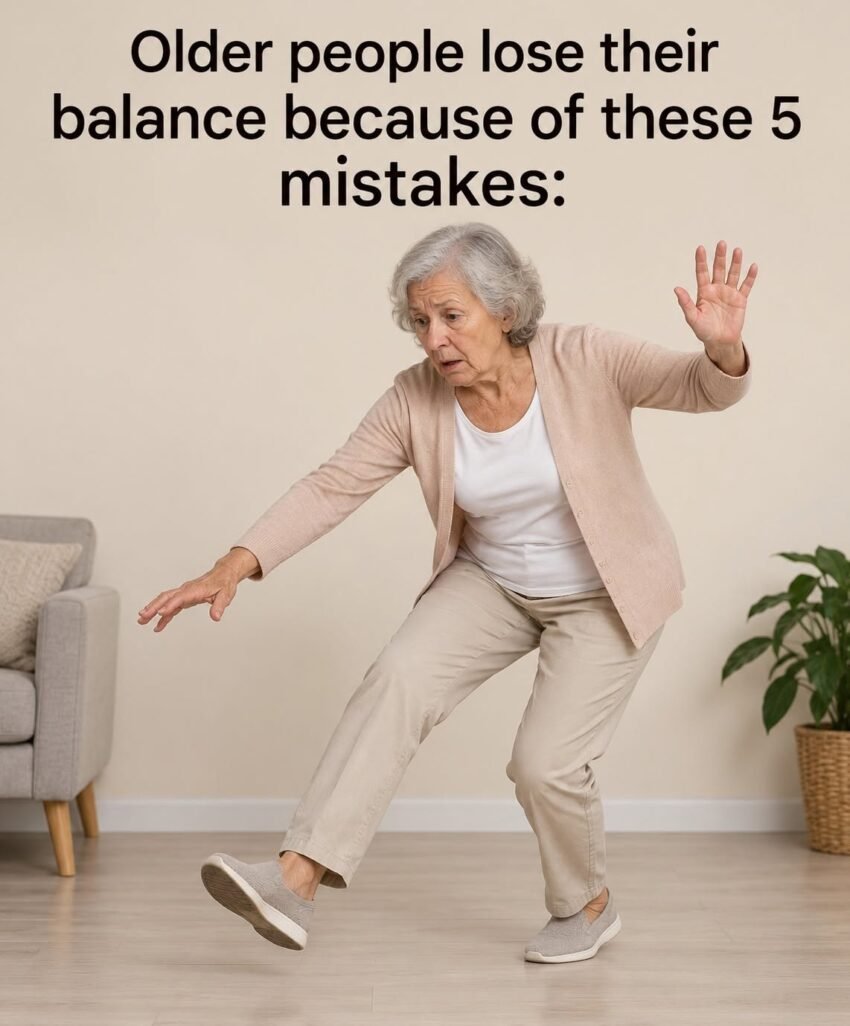
5 Common Mistakes That Can Affect Balance in Older Adults (And How to Fix Them)
Maintaining stability and confidence on your feet is one of the most important keys to preserving independence as you age. Yet, many older adults unknowingly make simple lifestyle and environmental mistakes that quietly sabotage their balance every single day. Here are five common missteps to watch out for and how to correct them.
Worried about stability? Discover 5 common balance mistakes older adults make, from improper footwear to vision neglect, and how to stay safe.
The Silent Threat to Independence
When we think about senior health, we often focus heavily on heart health, nutrition, and cognitive sharpness. But physical balance is the invisible foundation that ties everything together.
Good balance requires seamless coordination between your eyes, your inner ear canals, your joints (proprioception), and your central nervous system. When even one of these systems is compromised—often by subtle daily habits—the risk of a sudden, dangerous fall increases dramatically.
Fortunately, most balance killers are entirely preventable. Let’s look at five common mistakes that can erode stability in older adults and what you can do instead.
1. Wearing the Wrong Shoes (or Walking Barefoot)
-
The Mistake: Walking around the house in slippery socks, old worn-out slippers with no traction, or flip-flops that lack structural heel support.
-
Why It Harms Balance: Your feet are your primary contact point with the earth. They are packed with sensory nerve endings that tell your brain where your body is in space. Soles that are too thick, too flexible, or lack grip block this sensory feedback and invite slips.
-
The Fix: Invest in supportive, lightweight indoor walking shoes with non-skid rubber soles, or wear high-traction grip socks if you prefer moving without shoes.
2. Neglecting Vision and Hearing Check-ups
-
The Mistake: Waiting years between eye exams or brushing off a mild decline in hearing as a minor annoyance.
-
Why It Harms Balance: Your eyes provide crucial visual cues that help your brain map your surroundings and maintain equilibrium. Meanwhile, your inner ear houses both your hearing apparatus and your vestibular balance center—meaning hearing health and balance are neurologically intertwined.
-
The Fix: Schedule annual eye exams to update your prescription (and check for cataracts or glaucoma), and have your hearing tested regularly. If you wear multi-focal lenses, be extra cautious when walking down stairs.
3. Being Too Sedentary (The “Rest Equals Safety” Myth)
-
The Mistake: Believing that staying still and sitting on the couch is the safest way to avoid a fall.
-
Why It Harms Balance: When you stop moving, your muscles atrophy and your core and leg strength decline rapidly. Furthermore, the brain’s neuromuscular pathways for balance weaken through lack of use.
-
The Fix: Incorporate gentle, balance-focused movements into your week, such as chair yoga, tai chi (proven to reduce fall risks), or simple heel-to-toe standing exercises supported by a sturdy kitchen counter.
4. Overlooking Hidden Home Hazards
-
The Mistake: Leaving loose throw rugs in hallways, trailing electrical cords across walkways, or keeping rooms dimly lit at night.
-
Why It Harms Balance: Even an elite gymnast will stumble if their foot catches an unsecured rug edge in a dark hallway. Home architecture is one of the leading environmental contributors to senior falls.
-
The Fix: Secure or remove all loose rugs, clear floor clutter, ensure high-traffic pathways are well-lit, and install grab bars in bathrooms where surfaces get slippery.
5. Ignoring Chronic Dehydration and Medication Side Effects
-
The Mistake: Drinking too little water throughout the day or taking multiple medications without reviewing their cumulative side effects.
-
Why It Harms Balance: Mild dehydration drops blood pressure, frequently causing sudden lightheadedness or dizziness when standing up. Additionally, many common prescription drugs (including sedatives, blood pressure pills, and antihistamines) list dizziness and sedation as primary side effects.
-
The Fix: Keep water close by all day, sip consistently, and ask your pharmacist or doctor for a medication review to check for drugs that might cause dizziness or unsteadiness.
Comparative Analysis: Unsafe Habits vs. Balance-Boosting Choices
Frequently Asked Questions
1. Can balance really be improved later in life? Yes! Neuroplasticity and muscle adaptation occur at any age. Consistent, gentle balance training and strength exercises can dramatically improve stability even into your 70s, 80s, and beyond.
2. What is proprioception, and why does it matter for balance? Proprioception is your body’s internal awareness of where your limbs are positioned without you having to look at them. Wearing supportive shoes and staying active keeps this sensory feedback sharp.
3. When should I talk to a doctor about balance issues? If you experience frequent unsteadiness, a sudden spinning sensation (vertigo), or if you have suffered a recent near-fall, consult your physician immediately for a comprehensive evaluation.
Action Checklist
What to Do:
-
Audit your house for tripping hazards: tape down or remove loose rugs and clear pathways.
-
Switch to supportive, non-skid footwear both inside and outside the house.
-
Incorporate simple balance exercises into your daily routine (like standing on one foot for 10 seconds while holding onto a chair).
What to Avoid:
-
Walking around in smooth socks on hardwood or tile floors.
-
Ignoring dizzy spells or lightheadedness when rising from a chair or bed.
Protecting your balance isn’t about wrapping yourself in bubble wrap—it’s about making smart, empowering adjustments to your footwear, home environment, and daily habits. By sidestepping these common balance mistakes, you can stay steady on your feet and move through life with confidence.