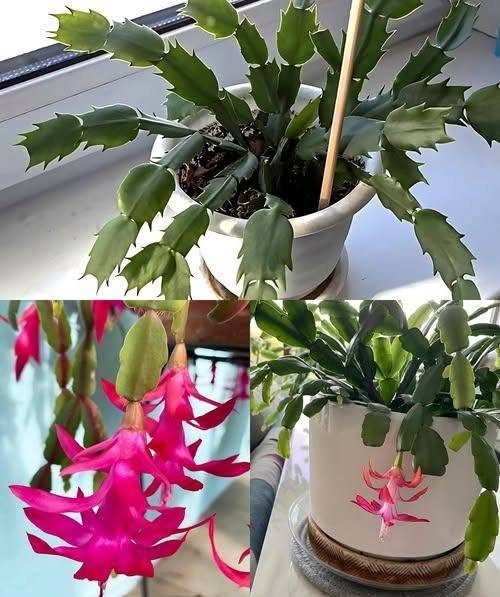
The Flower Shop Secret: Do “Miracle” Medicines Really Make Christmas Cacti Bloom Instantly?
Told a special shop medicine will make your Christmas cactus sprout buds overnight? Uncover the truth behind plant boosters and how to force real blooms.
You walk into your local neighborhood flower shop carrying a tired-looking Christmas cactus (Schlumbergera). Its segments are a bit limp, it hasn’t shown a hint of pink or red in over a year, and you are starting to wonder if it’s staging a silent protest against your indoor lighting.
You mention your frustration to the shop owner. They smile knowingly, nod, reach under the counter, and hand you a small, unlabeled bottle or a specialized packet of powder.
“Here,” they whisper with absolute confidence. “Use this special medicine. It’s a secret formula. Pour this in, and it will immediately come to life and sprout buds!”
You leave the shop feeling like a botanical wizard. But before you dump a mysterious elixir into your potting soil, let’s pause and separate clever marketing from actual plant biology. Do miracle plant medicines really work overnight, or is your Christmas cactus about to get a rude awakening?
The Myth of Instant Plant “Medicine”
In the world of houseplants, snake oil salesmen still exist. While certain professional-grade fertilizers and growth stimulants can dramatically improve plant health, no legal or safe chemical formula can force a dormant tropical cactus to sprout buds immediately.
Plants are living biological organisms governed by environmental triggers, not light switches. When a flower shop owner hands you a “special medicine,” they are usually selling one of three things:
-
A high-phosphorus bloom booster fertilizer.
-
A micronutrient blend containing iron, magnesium, or seaweed extract.
-
Plain old water mixed with confidence and good marketing.
While these products can certainly nourish a struggling plant, they cannot bypass the plant’s natural biological cycle. If your Christmas cactus is missing the environmental cues it needs to transition from vegetative growth to blooming, no amount of “special medicine” will make it flower.
The Secret Life of a Christmas Cactus
To understand how to actually get your plant to burst into vibrant pink, red, or white blossoms during the winter holidays, you have to understand where these unique plants come from.
Unlike desert cacti that bake in arid heat, Christmas cacti are native to the shady, humid coastal mountains of Brazil. They are actually epiphytes—plants that grow on the branches of trees, bathed in filtered sunlight and tropical moisture.
+-----------------------------------+-----------------------------------+
| Trigger Element                   | What the Plant Actually Needs     |
+-----------------------------------+-----------------------------------+
| Light Cycle                       | 12–14 hours of total darkness     |
| Temperature Range                 | Cool nights (between 50°F–60°F)   |
| Watering Routine                  | Slightly drier soil during rest   |
| Nutrient Support                  | Balanced, low-nitrogen fertilizer |
+-----------------------------------+-----------------------------------+
Because of their evolutionary history, they don’t respond to “medicines”—they respond to seasons.
How to Actually Force Buds (No Magic Required)
If you want your Christmas cactus to wake up and cover itself in blossoms, you don’t need a secret elixir from under the counter. You just need to mimic its native autumn environment starting around September or October.
1. Provide Uninterrupted Darkness
Christmas cacti are “short-day” plants. They will not form flower buds unless they experience long, uninterrupted nights.
-
Give them 12 to 14 hours of absolute darkness every single night for about 6 weeks.
-
Put the plant in a spare room where lights aren’t turned on at night, or cover it with a cardboard box from 6:00 PM to 8:00 AM.
2. Drop the Temperature
Cooler ambient temperatures act as the second major trigger. Keep your plant in a room where nighttime temperatures hover between 50°F and 60°F (10°C–15°C). Placing it near a drafty window during the autumn months often does the trick.
3. Ease Up on the Water
During the bud-setting period, let the top third of the soil dry out completely between waterings. Overwatering during this crucial phase will cause the plant to drop its newly formed buds in panic.
Common Mistakes in Holiday Cactus Care
-
Mistake 1: Fertilizing During Dormancy
-
The Reality: Dumping high-dose “bloom medicine” on a stressed, dark-dormant plant can burn its delicate roots. Feed only during its active spring and summer growing season.
-
-
Mistake 2: Constantly Moving the Plant
-
The Reality: Christmas cacti hate change. If you find a spot where it is happy, leave it there. Moving it constantly while it is trying to set buds will cause it to abort them overnight.
-
Frequently Asked Questions
1. Can a flower shop fertilizer hurt my Christmas cactus?
If used correctly according to package instructions, commercial fertilizers are safe. However, over-fertilizing can cause chemical burn in the root system, leading to wilting and dropped segments.
2. Why is my Christmas cactus dropping its green leaves?
Sudden leaf drop is usually caused by overwatering, root rot, or a dramatic shift in temperature and lighting (such as moving it away from a drafty spot straight into a hot, dry living room).
3. How can I tell a Christmas cactus from a Thanksgiving cactus?
Look at the leaf segments (cladodes). Thanksgiving cacti have sharp, claw-like projections on the edges of their leaves, while Christmas cacti have much smoother, scalloped, rounded edges.
Action Checklist
-
What to Do:
-
Implement the cool-temperature and dark-period routine starting in early autumn to trigger natural budding.
-
Check the soil moisture and ensure your pot has proper drainage holes.
-
-
What to Avoid:
-
Don’t fall for expensive, mystery “miracle medicines” that promise overnight biological miracles.
-
Avoid placing your cactus near drafty heat vents or oscillating fans.
-
Conclusion
While the flower shop owner meant well, there are no shortcuts or magic potions in horticulture. Getting a Christmas cactus to come to life and burst into a sea of colorful blossoms isn’t about buying a special elixir—it’s about understanding what nature programmed the plant to do. Give it the right balance of darkness, cool air, and patience, and it will reward you tenfold.
There is no magic medicine that forces a Christmas cactus to bloom instantly; true buds are earned through natural autumn temperature and light cycles.
Have you ever tried a quirky tip or “secret medicine” recommended by a local plant store clerk? Did it work, or was it a bust? Let us know in the comments below!