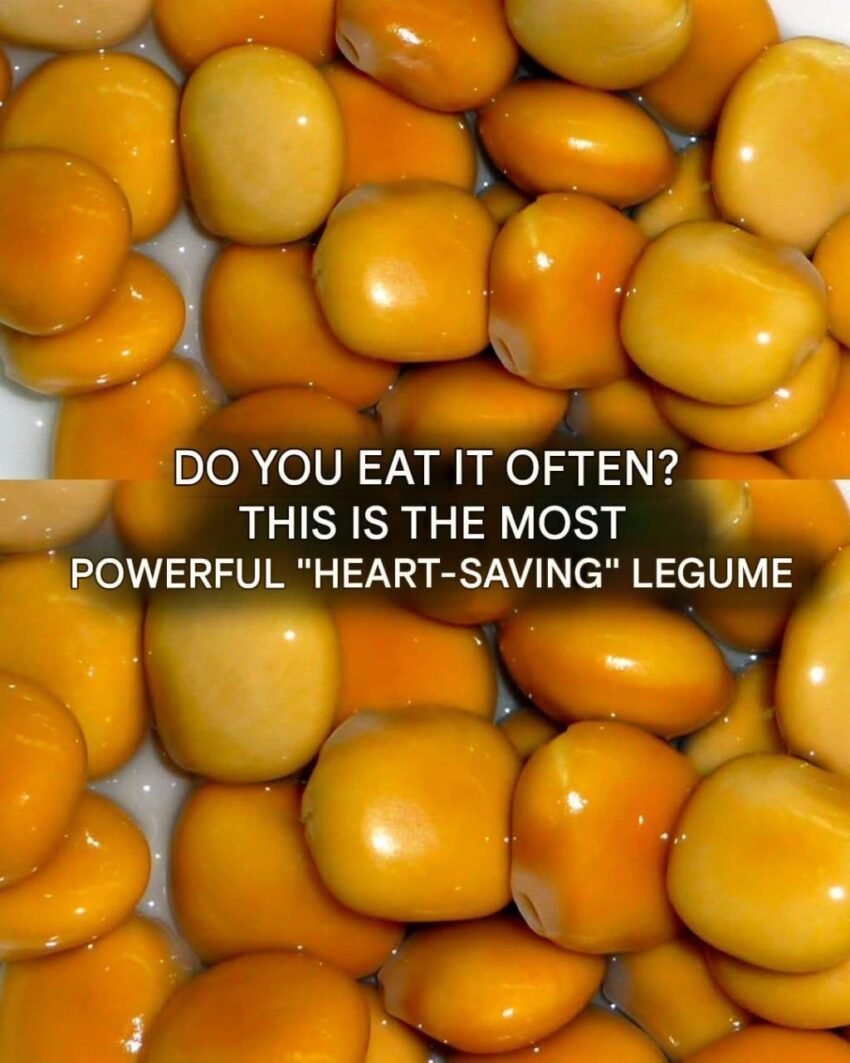
The “Heart-Saving” Food We Often Underestimate (That Lowers Cholesterol Naturally)
Looking for a natural way to protect your heart? Discover the humble, everyday food proven to reduce bad cholesterol, raise good cholesterol, and regulate blood pressure.
Walk down the grocery store aisles, and you will find an entire pharmaceutical and wellness industry dedicated to cardiovascular health. From expensive imported superfood powders and specialized omega-3 capsules to complicated dietary regimens, protecting your heart often feels like an expensive, high-maintenance chore.
Yet, sitting quietly in the produce aisle or your pantry is one of the most powerful, heavily researched cardiovascular protectors on earth. It is inexpensive, versatile, culturally ubiquitous, and almost entirely underestimated.
If you are looking for a natural way to reduce your LDL (“bad”) cholesterol, boost your HDL (“good”) cholesterol, and support healthy blood pressure without overhauling your entire life, it is time to take a closer look at legumes—specifically, humble beans, lentils, and chickpeas.
The Cardiovascular Powerhouse Hiding in Your Pantry
While trendy superfoods come and go, legumes have quietly sustained human civilizations for millennia. Modern nutritional science has finally caught up with what traditional diets always knew: these fiber-packed seeds are absolute powerhouses for your vascular system.
When medical cardiologists talk about protecting the heart naturally, they look at three primary metrics:
-
LDL Cholesterol Reduction: Lowering the low-density lipoproteins that form arterial plaques.
-
HDL Cholesterol Maintenance: Supporting or raising high-density lipoproteins that clear fats away from artery walls.
-
Blood Pressure Regulation: Managing systemic pressure through targeted minerals and anti-inflammatory compounds.
Legumes check every single one of these boxes with flying colors.
How Legumes Actually Protect Your Heart
What makes beans and lentils so effective at safeguarding your cardiovascular system? It comes down to a unique triple-threat biochemical profile:
+-----------------------------------+-----------------------------------+
| Component                         | Cardiovascular Benefit            |
+-----------------------------------+-----------------------------------+
| Soluble Fiber (Pectin/Beta-glucan)| Binds to cholesterol, flushing it |
| Plant Sterols & Stanols           | Blocks dietary cholesterol absorption|
| Potassium and Magnesium           | Relaxes blood vessel walls        |
+-----------------------------------+-----------------------------------+
1. The Soluble Fiber Sponge
Legumes are one of nature’s richest sources of soluble fiber. When you eat beans, soluble fiber forms a gel-like substance in your digestive tract. This gel binds to cholesterol-rich bile acids and carries them out of your body before they can be reabsorbed into your bloodstream. To make more bile, your liver is forced to pull cholesterol directly out of your blood, naturally lowering your overall LDL levels.
2. Blood Pressure Regulation via Minerals
High blood pressure forces your heart to work overtime, straining arterial walls. Beans and lentils are packed with potassium and magnesium—two essential minerals that act as natural vasodilators. They help relax the smooth muscle tissue in your blood vessel walls, reducing systemic resistance and keeping blood pressure within a healthy range.
3. Sustained Metabolic Stability
Unlike refined carbohydrates that cause sharp insulin spikes, legumes have a very low glycemic index. They digest slowly, providing steady, sustained energy while preventing the blood sugar volatility that contributes to chronic systemic inflammation and arterial damage.
Step-by-Step Guide: Easily Adding More Heart-Healthy Legumes to Your Diet
You don’t need to adopt a strict vegan diet or eat bland bowls of boiled beans to reap these benefits. Small, strategic additions make all the difference:
-
The Half-and-Half Rule: When making ground meat dishes like tacos, chilis, or pasta sauces, substitute half the meat with a can of rinsed black beans, kidney beans, or lentils. You won’t compromise flavor, but you will instantly slash saturated fat and supercharge your fiber intake.
-
Upgrade Your Salads: Toss a half-cup of rinsed chickpeas or butter beans into your standard lunch salad to add satisfying texture and slow-release energy.
-
Blend Into Dips: Keep a jar of hummus or homemade white bean dip on hand as a heart-healthy alternative to mayo-based spreads.
Common Mistakes to Avoid
-
Mistake 1: Relying Exclusively on High-Sodium Canned Varieties
-
The Reality: Canned beans are convenient, but many brands pack them with excessive sodium, which can counteract blood pressure benefits. Always buy “No Salt Added” cans, or thoroughly rinse standard canned beans in a colander before eating.
-
-
Mistake 2: Making Too Sudden a Jump in Fiber
-
The Reality: If your current diet is low in fiber and you suddenly eat two bowls of lentils a day, your digestive system will stage a loud protest. Increase your legume intake gradually and drink plenty of water to help your gut microbiome adjust.
-
Frequently Asked Questions
1. Which type of bean is best for cholesterol?
All beans are fantastic, but black beans, navy beans, pinto beans, and lentils consistently rank highest in soluble fiber content per serving.
2. Can canned beans be just as healthy as dried beans?
Nutritionally, canned beans are very similar to dried beans cooked from scratch. Just check the label for sodium content and rinse them thoroughly to remove excess salt.
3. How long does it take to see improvements in cholesterol levels?
Clinical studies show that incorporating a daily serving of legumes (about 3/4 cup) into a balanced diet can produce measurable improvements in LDL cholesterol levels within 6 to 8 weeks.
4. Do lentils cause the same digestive issues as beans?
Lentils and split peas generally cook much faster and are often significantly easier on the digestive system than larger beans, making them a great starting point for beginners.
Action Checklist
-
What to Do:
-
Swap out processed snacks for roasted, crunchy chickpeas seasoned with olive oil and spices.
-
Check your pantry and stock up on at least three varieties of low-sodium beans or lentils.
-
-
What to Avoid:
-
Don’t let high-sodium canned options sneak extra salt into your heart-healthy meal plan.
-
Conclusion
Protecting your heart doesn’t require complicated routines or expensive supplements. Sometimes, the most profound health interventions are the simplest, most traditional foods we have overlooked in favor of modern processed conveniences. By inviting beans and lentils back to your regular dinner table, you give your heart the natural armor it deserves.
Humble legumes are a proven, budget-friendly superfood that lowers bad cholesterol, stabilizes blood pressure, and protects your heart naturally.
What is your favorite way to cook with beans or lentils? Do you have a go-to family recipe that features them? Let us know in the comments below!