How Long Is Tuna Salad Safe in the Fridge? (Who Is Right in the Great Debate?)
Wondering how long tuna salad lasts in the fridge? Find out why your sister’s 7-day stash is pushing the limits and what food safety experts actually recommend.
You open the refrigerator door on a lazy Tuesday afternoon, scanning the shelves for a quick lunch. Tucked behind the leftover pasta is a giant glass bowl filled with tuna salad. You look at the date you mentally stamped on it, and a wave of hesitation washes over you.
Wait a minute. When did she make this?
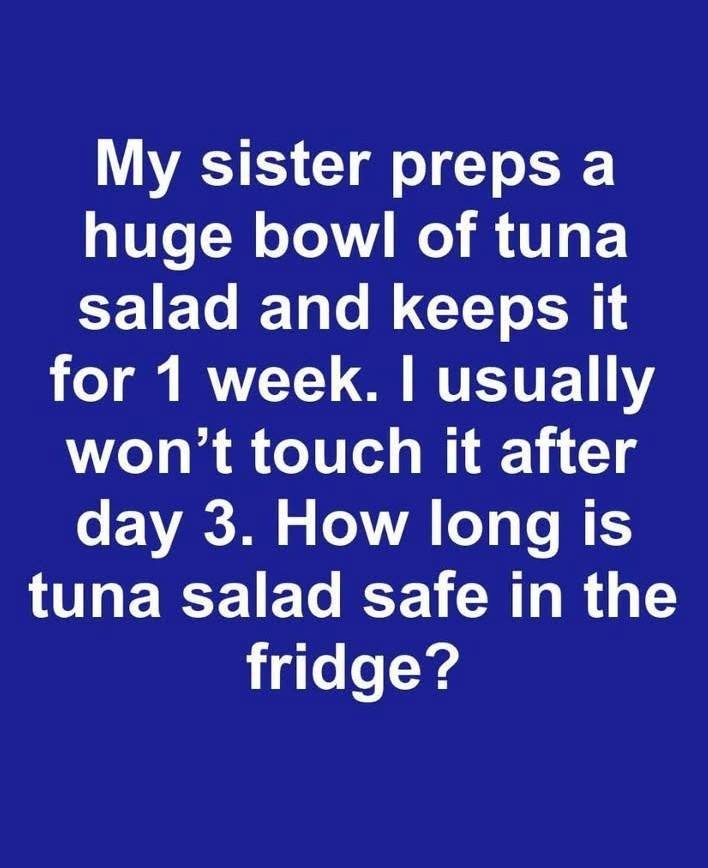
You find your sister in the living room and ask. She shrugs and says, “Oh, I prepped that huge batch on Sunday. It’s totally fine, I eat it all week!”
You stare at her in quiet horror. Your personal rule has always been a hard stop at 72 hours. Who is right? Is your sister playing a dangerous game of culinary roulette with canned fish, or are you being overly paranoid? Let’s dive into the science of seafood and mayonnaise.
The Science of Shelf Life: What Happens in That Bowl?
To settle the debate, we have to look at the ingredients making up your sister’s mega-bowl of tuna salad. Unlike dry pantry staples, tuna salad is a perishable composite dish combining protein, moisture, and binders.
According to guidelines set by the United States Department of Agriculture (USDA) and the Food and Drug Administration (FDA), prepared tuna salad falls under strict refrigeration limits:
-
The Safe Window: Prepared tuna salad is safe to eat for 3 to 5 days when stored continuously in a refrigerator kept at or below 40°F (4°C).
Once you cross that 5-day threshold, you enter the danger zone where texture degrades, flavor turns unpleasantly “fishy,” and the risk of bacterial contamination climbs significantly.
Why 3 to 5 Days Is the Magic Number
Why can’t tuna salad sit happily in the fridge for a full week like a pot of chili or a lasagna? Two primary factors dictate its lifespan:
The Moisture Factor: Tuna is a protein-rich, high-moisture food. Moisture is public enemy number one when it comes to food preservation because it provides the ideal breeding ground for psychrotrophic bacteria—pathogens like Listeria monocytogenes that can actually multiply slowly even at cold refrigerator temperatures.
The Mayonnaise and Add-In Equation: While commercial mayonnaise contains high acidity that fights bacteria on its own, once you mix it with cooked fish, chopped celery, boiled eggs, or pickles, the chemical balance shifts. Celery and onions release water as they sit, creating a watery pool at the bottom of the bowl that accelerates spoilage and sogginess.
How to Tell If Your Tuna Salad Has Gone Bad
Never rely solely on the calendar if your senses are waving red flags. Toss the bowl immediately if you notice any of the following warning signs:
-
The Smell Test: If it gives off a sharp, ammonia-like, or overwhelmingly pungent fish odor that makes your nose sting, it is past saving. (Fresh tuna salad should smell mild and savory).
-
Texture Changes: If the mixture has separated into a watery, oily soup or looks slimy, throw it out.
-
Color Alterations: Any dull gray or uncharacteristic brownish tint means oxidation and bacterial breakdown are underway.
Actionable Guide: Smart Prep and Storage Strategies
If your household loves tuna salad and you want to prep in bulk without risking food poisoning, follow these expert rules:
-
Prep Components Separately: Instead of mixing a massive vat of tuna with mayo, celery, and seasoning all at once, mix only what you will eat in the next 48 hours. Keep the drained canned tuna in an airtight container and chop fresh add-ins day by day.
-
Use the Airtight Seal Test: Always store tuna salad in a shallow, airtight glass or BPA-free plastic container. Never leave it sitting in the mixing bowl uncovered or covered loosely with plastic wrap.
-
The 2-Hour Picnic Rule: If the bowl has sat out on a kitchen counter or picnic table during lunch for more than two hours (or one hour if the temperature is above 90°F), throw the remainder away immediately. Do not put it back in the fridge.
Common Mistakes to Avoid
-
Mistake 1: Eating Straight Out of the Big Bowl with a Used Spoon
-
The Reality: Dipping a cracker or spoon into the family bowl after it has touched your mouth introduces human saliva and bacteria directly into the food, causing it to spoil twice as fast. Always scoop a single portion onto a separate plate.
-
-
Mistake 2: Assuming Freezing Works Well
-
The Reality: While you can freeze cooked tuna, mayonnaise and celery do not freeze and thaw well at all. Freezing tuna salad turns the mayo into a separated, oily sponge and makes the celery mushy and watery.
-
Frequently Asked Questions
1. Is your 3-day rule safer than your sister’s 7-day habit?
Yes! Your instinct to stop eating it after day 3 aligns perfectly with food safety recommendations. Your sister is pushing her luck on days 6 and 7.
2. Can canned tuna go bad before opening?
Unopened canned tuna has a shelf life of several years if stored in a cool, dry place. However, always check for dented, bulging, or leaking cans, which indicate botulism risk.
3. What happens if you eat 6-day-old tuna salad?
You might be completely fine if your fridge is exceptionally cold and the ingredients were pristine. However, you also run a high risk of contracting food poisoning, resulting in nausea, stomach cramps, and severe gastrointestinal distress.
Action Checklist
-
What to Do:
-
Label your meal prep containers with the exact date they were made so there is no guessing game.
-
Stick strictly to the 3-to-5-day window for seafood salads.
-
-
What to Avoid:
-
Don’t let massive batches of tuna salad sit in the fridge past 5 days just because “it still smells okay.”
-
Conclusion
When it comes to the great tuna salad debate, your gut instinct wins. While your sister might be enjoying her week-long tuna stash without incident so far, food safety experts draw a hard line at 5 days max. When dealing with seafood and mayonnaise, a little caution goes a long way toward keeping your stomach happy.
Tuna salad is only safe in the fridge for 3 to 5 days—so your 3-day rule is spot on, and your sister’s 7-day habit is a gamble you shouldn’t take!
How long do you usually keep your leftover tuna or chicken salad in the fridge before throwing it out? Let us know in the comments below!