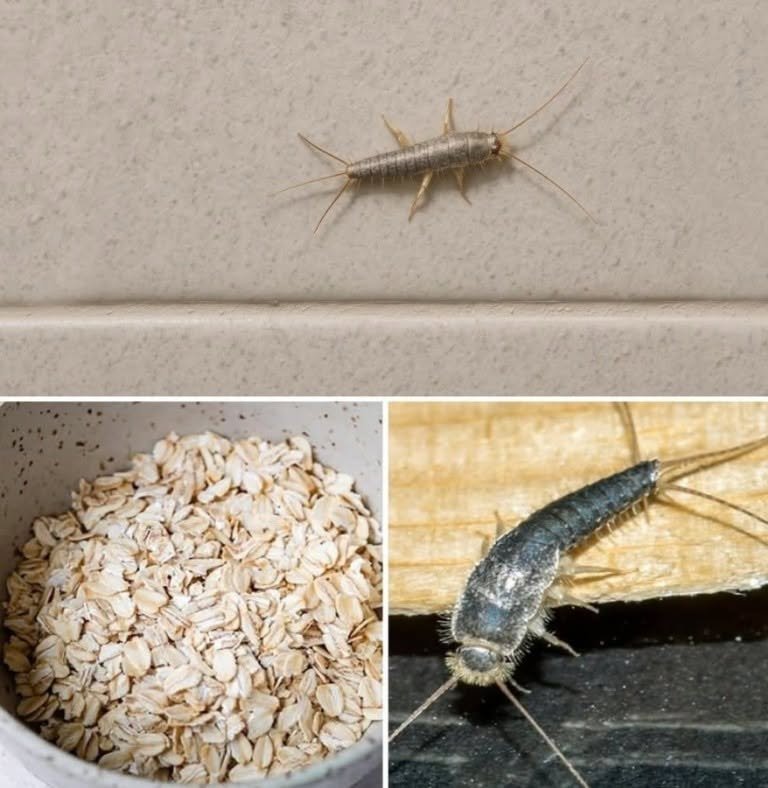
Warning! If You Have Found This Insect (Silverfish) in Your Home, It’s a Sign That You Need to Act Fast
Spot a creepy, shiny bug slithering across your bathroom floor? Discover what finding silverfish in your home actually means and how to eliminate them.
It usually happens in the dead of night. You pad quietly into the dark bathroom for a glass of water, flip on the light switch, and catch a flash of metallic movement darting across the tiles or slipping swiftly behind the baseboard.
It’s small, wingless, teardrop-shaped, and ripples with an eerie, metallic silver sheen as it moves like a tiny fish out of water.
You’ve spotted a silverfish.
Your immediate reaction is likely a full-body shudder. But beyond the sheer creep factor of finding these prehistoric-looking bugs scuttling through your living space, spotting even one or two silverfish is a critical warning sign. It isn’t just about a stray bug—it’s a neon sign pointing directly to a hidden environmental issue in your home that demands immediate attention.
What Actually Attracts Silverfish to Your Home?
Silverfish (Lepisma saccharina) have been around for over 300 million years, surviving long before dinosaurs walked the earth. They are exceptionally hardy, nocturnal, and secretive.
If you are seeing them out in the open, it usually means their hidden nesting colonies are overflowing, or their preferred conditions have expanded across your house. They are drawn to two primary things: extreme moisture and starch.
-
The Moisture Crisis: Silverfish cannot survive in dry environments. They crave high humidity (usually 75% to 90%) and thrive in damp, dark, unventilated spaces like basements, crawlspaces, bathrooms, and laundry rooms.
-
The Buffet of Cellulose: Silverfish don’t bite humans or pets, but they are ravenous consumers of carbohydrates, polysaccharides, and cellulose. That means they feed on paper, old books, wallpaper glue, cotton, linen, silk, and dust bunnies composed of shed human skin cells and hair.
The Hidden Warning Sign: What Finding Silverfish Really Means
When silverfish take up residence in your home, they are acting as bio-indicators. Their presence is a warning flare alerting you to three major household problems:
+-----------------------------------+-----------------------------------+
| Warning Sign                      | What It Indicates in Your Home    |
+-----------------------------------+-----------------------------------+
| Chronic High Humidity / Moisture  | Hidden water leaks or poor ventilation|
| Compromised Building Materials    | Damp drywall, rotting wood, or mold|
| Accumulated Clutter               | Stacks of old paper, cardboard, or textiles|
+-----------------------------------+-----------------------------------+
-
Hidden Moisture or Leaks: Silverfish love condensation. If you spot them in bathrooms or kitchens, you might have a slow, hidden pipe leak behind your walls, poor bathroom ventilation, or rising dampness in your basement or foundation.
-
The Risk of Mold: The exact humid, damp conditions that silverfish require to breed are also the ideal breeding grounds for toxic black mold and mildew. If you have a silverfish infestation, you likely have an invisible mold problem developing nearby.
-
Damage to Priceless Valuables: Left unchecked, a silverfish population will quietly chew through your family photo albums, vintage books, tax documents, expensive wool sweaters, and wallpaper backing.
Actionable Guide: How to Eradicate Silverfish and Fix the Root Cause
Spraying chemical bug killer is only a temporary band-aid. If you don’t fix the environment, the silverfish will simply return. Follow this step-by-step eradication protocol:
1. Dry Out Their Habitat
Lowering the humidity in your home is the single most effective way to kill off silverfish.
-
Install dehumidifiers in damp basements, laundry rooms, and crawlspaces, keeping relative humidity below 50%.
-
Run your bathroom exhaust fan during and for 20 minutes after every hot shower.
2. Eliminate Their Food Sources
-
Store important documents, old photographs, and sentimental paper items in sealed plastic storage bins rather than cardboard boxes (silverfish love chewing through cardboard).
-
Vacuum frequently along baseboards, dark closets, and under heavy furniture to suck up dust, hair, and stray food crumbs.
3. Seal Entry Points and Apply Natural Repellents
-
Repair cracks in baseboards, window frames, and drywall where silverfish hide during the day.
-
Silverfish despise strong essential oils. Spray a mixture of water and cedarwood, peppermint, or citrus oil around dark corners and entry points to naturally deter them.
Common Mistakes to Avoid
-
Mistake 1: Relying Solely on Spray Pesticides
-
The Reality: Aerosol bug sprays kill individual bugs on contact, but they do nothing to address the high humidity or hidden nests inside your walls.
-
-
Mistake 2: Storing Off-Season Clothes in Cardboard Boxes
-
The Reality: Cardboard boxes sitting on a damp basement floor are essentially a five-star luxury hotel and buffet combined for silverfish. Always upgrade to airtight plastic bins.
-
Frequently Asked Questions
1. Do silverfish bite humans or transmit diseases?
No. Silverfish do not bite humans, sting, or carry infectious diseases. Their primary threat is property damage to paper goods, textiles, and books, along with signaling moisture problems.
2. How fast do silverfish multiply?
Female silverfish lay eggs in small cracks and crevices throughout the year. While they don’t multiply overnight, an unchecked population can quietly grow into a severe infestation over several months.
3. Can pest control professionals get rid of silverfish permanently?
Yes, professional exterminators can use targeted residual dusts (like diatomaceous earth or boric acid formulations) in wall voids, but solving the underlying humidity problem remains your responsibility.
Action Checklist
-
What to Do:
-
Check your basement, under-sink cabinets, and bathroom for signs of leaks, condensation, or high humidity.
-
Move vulnerable paper documents and vintage books out of cardboard boxes and into airtight plastic containers.
-
-
What to Avoid:
-
Don’t ignore a silverfish sighting—treat it as an early warning sign to dry out and ventilate your living space.
-
Conclusion
Finding a silverfish scurrying across your floor late at night is unsettling, but the real value of the encounter is the warning it brings. It’s your home’s way of telling you that moisture is too high and vulnerabilities are building up in the shadows. Address the humidity, clear out the clutter, and you will drive these ancient pests out for good.
Finding silverfish isn’t just a minor pest annoyance—it’s a critical warning sign that your home has a hidden moisture or ventilation problem you need to fix immediately.
Have you ever spotted silverfish in your home, and how did you finally get rid of them? Share your tips and experiences in the comments below!