Who Is Most at Risk of Night Cramps? (And How to Stop Them)
Waking up with agonizing charley horses in your legs? Discover who is most at risk for nocturnal leg cramps and what you can do to stop the pain.
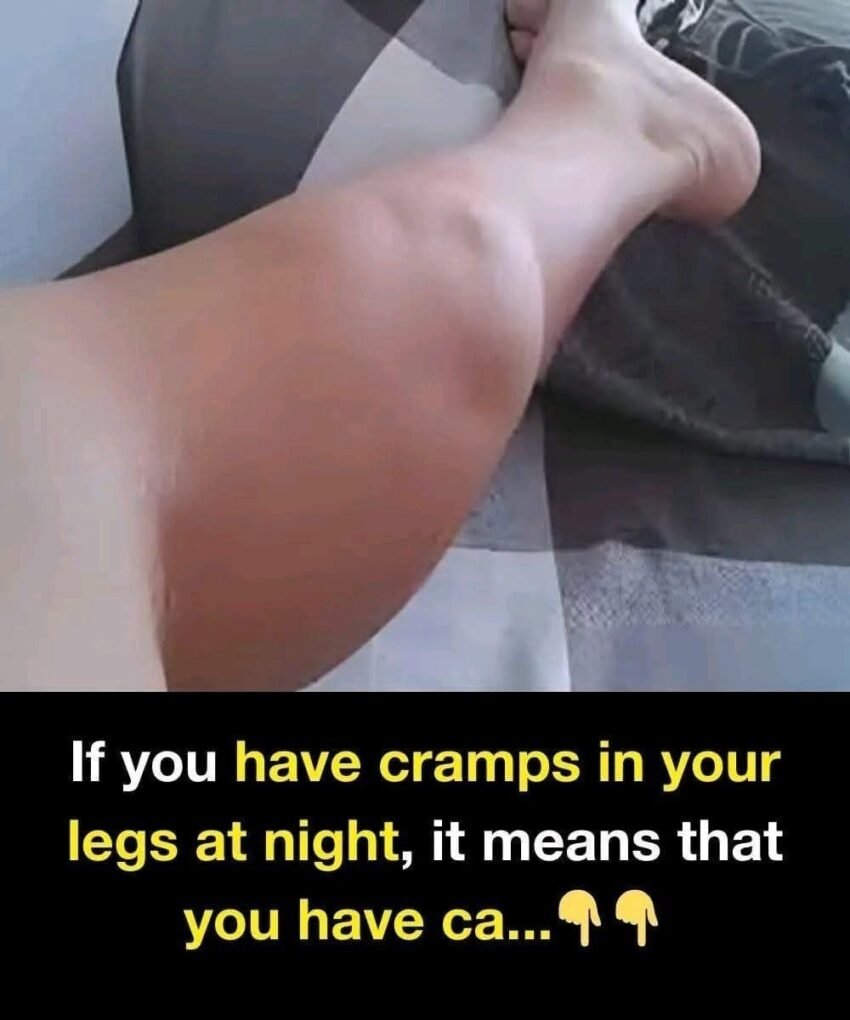
Picture this: You are fast asleep, drifting comfortably through the night, when suddenly a violent, agonizing knot seizes the muscles in your calf. Your foot arches involuntarily, a white-hot pain shoots up your leg, and you bolt upright in bed, gasping and desperately trying to massage a rock-hard muscle back into submission.
If you have ever experienced a nocturnal leg cramp—often called a “charley horse”—you know it is an unforgettable, deeply unpleasant wake-up call.
While almost everyone experiences a random leg cramp at some point in their lives, some people are plagued by them night after night. Why do some individuals suffer while others sleep soundly? Let’s look at who is most at risk for night cramps and what is actually happening inside those seizing muscles.
The Anatomy of a Midnight Charley Horse
To understand who is most vulnerable, we need to know what triggers a night cramp. A nocturnal leg cramp is a sudden, involuntary, and intensely painful contraction of a skeletal muscle—most commonly the calf muscle (gastrocnemius), though feet and hamstrings are frequent targets as well.
While the exact physiological trigger is complex and still debated by medical researchers, cramps are generally linked to overworked muscles, nerve misfires, and imbalances in fluid and electrolyte regulation during periods of prolonged rest.
Who Is Most at Risk?
Certain demographic groups and lifestyle profiles face a significantly higher probability of experiencing frequent nocturnal leg cramps:
+-----------------------------------+-----------------------------------+
| Risk Group                        | Why They Are More Vulnerable      |
+-----------------------------------+-----------------------------------+
| Older Adults (Ages 50+)           | Age-related tendon shortening and reduced nerve sensitivity|
| Pregnant Women                    | Increased blood volume, weight shifts, and mineral depletion|
| Endurance Athletes & Laborers     | Heavy electrolyte loss and muscle fatigue |
| Individuals Taking Certain Meds   | Diuretics and statins can trigger cramping side effects|
+-----------------------------------+-----------------------------------+
1. Older Adults (Ages 50 and Up)
As we age, our tendons—the tissues that attach muscles to bones—naturally shorten and stiffen. When you stretch or move in your sleep, these tight tendons can trigger the muscle spindle to fire a contraction reflex, resulting in a sudden cramp. Studies show that up to 50% of older adults experience regular night cramps.
2. Pregnant Women
Expectant mothers are prime targets for nocturnal cramping, especially during the second and third trimesters. The sudden increase in body weight, shifting posture, altered calcium metabolism, and dramatic shifts in fluid volume place an immense burden on the lower legs.
3. Athletes and People Who Stand All Day
If your daily routine involves standing on hard concrete floors for eight hours or pushing through grueling athletic endurance workouts, your muscles experience micro-tears and severe electrolyte depletion (specifically magnesium, potassium, and calcium). When your muscles finally relax at night, they are primed to spasm.
4. Individuals on Certain Medications
Many common prescription medications list nighttime leg cramps as a frustrating side effect. Diuretics (water pills) prescribed for high blood pressure flush out critical electrolytes like potassium and magnesium, while cholesterol-lowering statins can affect muscle metabolism.
Actionable Guide: How to Prevent and Stop Night Cramps
When a cramp strikes at 3:00 AM, you need immediate relief, followed by long-term prevention strategies:
-
The Instant Stretch: When a calf cramp hits, straighten your leg, flex your foot upward (pulling your toes toward your shins), and gently massage the muscle. It hurts initially, but it forces the contracted muscle fibers to lengthen.
-
Hydration and Electrolytes: Ensure you are drinking adequate water throughout the day, and boost your intake of magnesium-rich foods (like pumpkin seeds, spinach, and avocados) and potassium (like bananas and sweet potatoes).
-
Bedtime Calf Stretches: Spend 3 minutes doing gentle wall stretches for your calves right before getting into bed to lengthen the tendons before sleep.
Common Mistakes to Avoid
-
Mistake 1: Ignoring Persistent, Severe Cramps
-
The Reality: While standard night cramps are harmless (though painful), severe, chronic cramping paired with numbness, weakness, or swelling can indicate underlying circulatory issues, nerve compression, or thyroid disorders. Always consult a physician if cramps become unbearable.
-
-
Mistake 2: Relying Solely on “Old Wives’ Tales”
-
The Reality: While putting a bar of soap under your bed sheets is a famous folk remedy that some swear by, science shows that true relief comes from proper hydration, stretching, and addressing mineral imbalances.
-
Frequently Asked Questions
1. Which vitamin deficiency causes night cramps?
Deficiencies in magnesium, potassium, calcium, and vitamin D are most frequently linked to muscle cramps. Magnesium deficiency is especially common in modern diets.
2. Can poor circulation cause leg cramps at night?
Yes. Peripheral artery disease (PAD) narrows the blood vessels supplying the legs, reducing oxygen flow to the muscles and triggering painful cramps, though PAD cramps often happen during walking rather than resting.
3. Why do night cramps hurt for days afterward?
A severe muscle contraction can actually microscopic tear muscle fibers. That lingering, bruised soreness you feel the next day is delayed-onset muscle soreness (DOMS) from the intensity of the spasm.
Action Checklist
-
What to Do:
-
Do a 3-minute calf stretch right before turning off your lights tonight.
-
Increase your daily intake of magnesium-rich foods or consult your doctor about a supplement.
-
-
What to Avoid:
-
Don’t let yourself get dehydrated during the day, especially if you exercise or work in a hot environment.
-
Conclusion
Night cramps can turn a peaceful night of rest into a painful ordeal. Whether you are an older adult, an expectant mother, or someone whose muscles are exhausted from a long workday, understanding your risk factors is the first step toward finding lasting relief.
Older adults, pregnant women, and those with electrolyte imbalances are most at risk for night cramps, but targeted stretching, proper hydration, and magnesium can help keep your muscles relaxed all night long.
Have you ever been woken up by a brutal night cramp? What is your go-to trick for making the pain stop instantly? Let us know in the comments below!