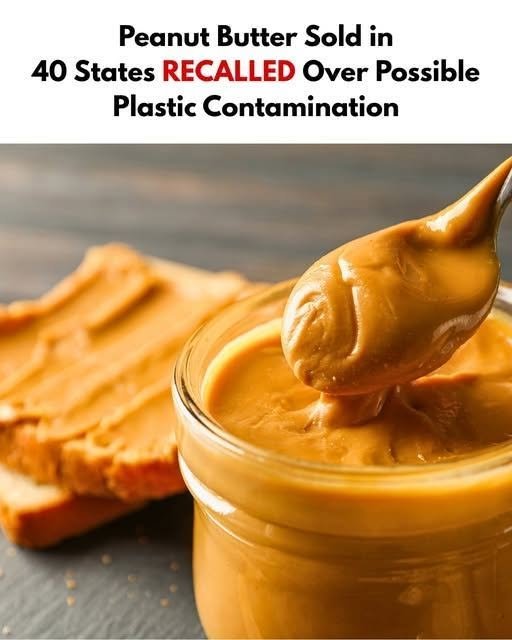
Recalled in 40 States: Is Your Peanut Butter Safe?
Over 22,000 cases of peanut butter products have been recalled across 40 states due to foreign material contamination. Find out if your pantry is safe.
Peanut butter is an absolute staple in American households. Whether you love it smeared thick on morning toast, blended into a post-workout protein smoothie, or scooped straight from the jar with a spoon when nobody is watching, it is the ultimate comfort food.
So when news breaks about a major recall affecting peanut butter products across 40 states, it understandably sends a wave of panic through kitchens nationwide.
Are your favorite grocery store jars unsafe? What triggered the nationwide alert, and how can you check your pantry to protect your family? Let’s break down everything you need to know about the multi-state recall.
What Caused the Recall?
The widespread food safety alert stems from a voluntary recall initiative involving thousands of cases of single-serve peanut butter and peanut butter-and-jelly products manufactured by Ventura Foods and distributed under various private-label brands.
During routine manufacturing checks, production staff discovered fragments of blue plastic lodged inside a production filter. Because the plastic broke down during processing, tiny shards risked making their way into individual packaging.
While the Food and Drug Administration (FDA) classified it as a Class II recall—meaning the risk of severe injury is low, and any potential health effects are typically temporary or reversible—finding plastic in a food product is an immediate safety hazard that requires swift action.
Is Your Everyday Grocery Jar Affected? (The Good News)
Before you throw away every jar of peanut butter in your pantry, there is a major sigh of relief to be had:
-
Retail Jars Are Safe: This specific recall does not affect the classic 16-oz, 28-oz, or bulk jars of peanut butter you typically buy off the supermarket shelf for home use.
-
The Target Is Institutional Packs: The recall focuses exclusively on single-serve portion packs and PB&J twin-packs (such as individual 0.5-oz, 0.75-oz, and 1.12-oz tubs or Poco Pac twin-packs).
These products are primarily distributed to institutional settings—such as school cafeterias, hospitals, hotels, catering operations, and food-service facilities across 40 states. However, if you or your kids frequently bring home single-serve packets from school lunches, outings, or institutional food boxes, it pays to check closely.
Affected Brands and Products to Check
The recalled single-serve items were sold under several major food-service and private-label brand names, including:
+-----------------------------------+-----------------------------------+
| Brand / Distributor               | Affected Product Type             |
+-----------------------------------+-----------------------------------+
| US Foods                          | Single-Serve Creamy Peanut Butter |
| DYMA Brands (Poco Pac)            | Peanut Butter & Grape Jelly Packs |
| DYMA Brands (Poco Pac)            | Peanut Butter & Strawberry Jam    |
| Flavor Fresh                      | Single-Serve Peanut Butter Cups   |
| Sysco House Recipe                | Institutional Peanut Butter Cups  |
| Katy’s Kitchen / Gordon Food Serv.| Single-Serve Portions             |
+-----------------------------------+-----------------------------------+
Actionable Guide: What You Should Do Right Now
-
Audit Your Institutional Stash: If you have bulk boxes of single-serve peanut butter cups or school-lunch PB&J packs obtained through food-service providers, check the brand names and lot codes against the official FDA database.
-
Do Not Consume: If you find matching recalled single-serve packets in your inventory, do not eat them. The primary risks of plastic contamination include choking hazards, mouth or throat injuries, and gastrointestinal irritation.
-
Return or Discard: Return the affected products to your place of purchase or institutional supplier for a full refund or replacement.
Common Mistakes to Avoid
-
Mistake 1: Throwing Away Standard Grocery Jars
-
The Reality: Don’t waste money throwing out your regular household jars of Jif, Skippy, Peter Pan, or store-brand peanut butter. Standard retail jars are completely unaffected by this institutional recall.
-
-
Mistake 2: Ignoring Institutional Leftovers
-
The Reality: If you manage a cafeteria, run a small food-service business, or have leftover catering packets from a recent event, verify your inventory immediately to ensure no recalled stock remains on-site.
-
Frequently Asked Questions
1. What are the symptoms of swallowing plastic fragments?
Minor plastic contamination can cause localized irritation in the mouth or throat, coughing, or temporary discomfort. If you suspect you or a child swallowed a sharp piece of plastic and experience persistent pain or trouble swallowing, seek medical attention immediately.
2. Are retail jars of peanut butter subject to any other recent safety issues?
Always keep an eye on official FDA recall portals for periodic localized quality alerts, but standard retail grocery store brands remain safe and clear of this particular blue plastic incident.
3. How can I stay updated on future food safety alerts?
You can bookmark the official U.S. Food and Drug Administration (FDA) Recalls, Market Withdrawals, & Safety Alerts web page to receive real-time notifications about food recalls affecting your area.
Action Checklist
-
What to Do:
-
Check any institutional or single-serve peanut butter packets in your pantry or lunch supplies.
-
Cross-reference lot numbers with the official FDA recall notices if you suspect you have an affected brand.
-
-
What to Avoid:
-
Don’t panic-throw away your standard grocery store jars of peanut butter—they are entirely safe.
-
Conclusion
While hearing about a multi-state recall is always alarming, understanding the specifics keeps things in perspective. This particular alert is strictly limited to institutional single-serve packs due to plastic fragment contamination, leaving your home pantry jars safe to enjoy.
The multi-state peanut butter recall impacts single-serve food-service packs rather than standard retail grocery jars, but it’s vital to check institutional or school-supplied portions before consumption.
Did you have any single-serve peanut butter packets affected by this recall in your home or workplace? Let us know how you check your food safety in the comments below!