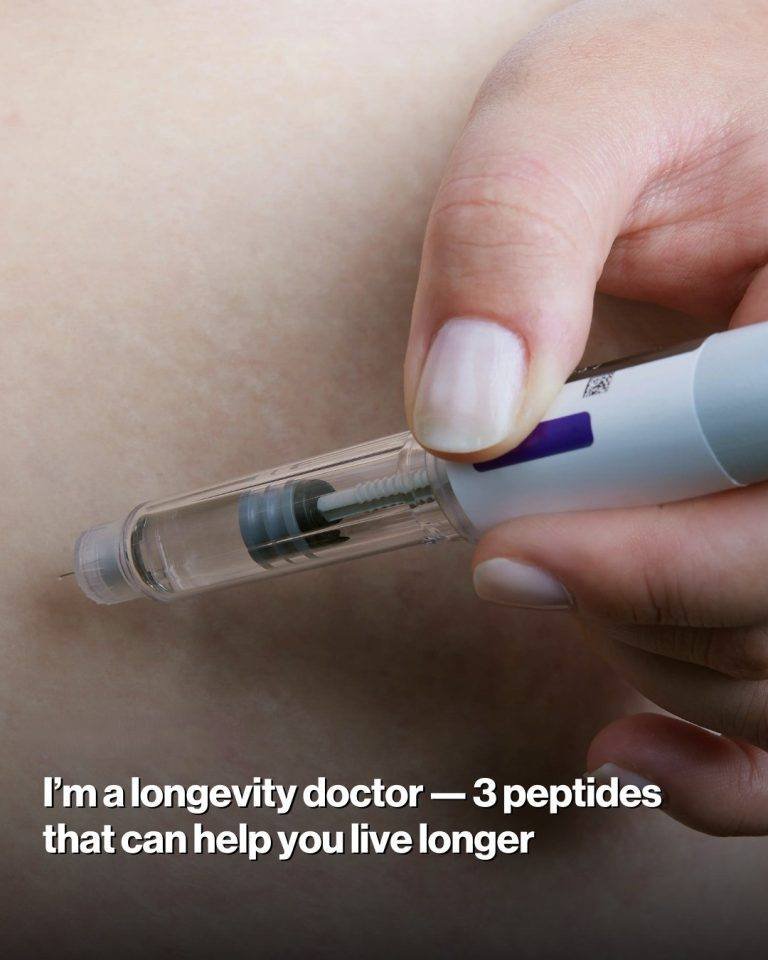
I’m a Longevity Doctor — 3 Peptides That Can Help You Live Longer
Discover 3 scientifically-backed peptides that may support longevity, cellular health, and overall wellness — insights from a longevity-focused physician.
As a longevity doctor, I often get asked: “What can I take to live longer, healthier, and feel younger?”
While no supplement is a miracle, certain peptides have shown promising results in research to support cellular repair, metabolic function, and immune health, which are key factors in healthy aging.
Here are three peptides I recommend discussing with your healthcare provider.
1. Epitalon (Epithalamin)
What it is:
Epitalon is a synthetic version of a naturally occurring peptide in the pineal gland that helps regulate telomere length and supports melatonin production.
How it may help longevity:
-
Telomere maintenance: Shortened telomeres are linked to aging; Epitalon may slow this process.
-
Sleep regulation: Supports natural melatonin production, improving circadian rhythm.
-
Antioxidant benefits: Helps reduce cellular oxidative stress.
Evidence:
-
Animal and small human studies suggest telomere elongation and improved biomarkers of aging.
-
Research in elderly patients in Russia indicated potential immune and neuroprotective benefits.
Tip: Discuss proper dosing and cycles with a qualified medical professional.
2. BPC-157 (Body Protection Compound 157)
What it is:
BPC-157 is a peptide derived from a protein in the stomach. It’s primarily studied for tissue repair and anti-inflammatory effects.
How it may help longevity:
-
Accelerates wound healing: Supports repair of muscles, tendons, and ligaments.
-
Supports gut health: May help protect the gastrointestinal lining, which is crucial for nutrient absorption.
-
Anti-inflammatory effects: Chronic inflammation accelerates aging; reducing it may support healthy lifespan.
Evidence:
-
Animal studies show faster tendon and gut healing.
-
Human clinical studies are limited but promising for tissue repair applications.
Tip: BPC-157 is usually administered under medical supervision; self-dosing is not recommended.
3. Thymosin Alpha-1 (TA1)
What it is:
Thymosin Alpha-1 is a naturally occurring peptide that modulates the immune system, enhancing T-cell function.
How it may help longevity:
-
Immune support: Strengthens defense against infections, a major factor in lifespan.
-
Cellular regulation: Supports healthy immune signaling, reducing overactivation and chronic inflammation.
-
Potential anti-aging effects: Balanced immune function is linked to healthier aging.
Evidence:
-
Widely used in clinical settings for immune-compromised patients.
-
Studies indicate improved immune response and potential support for age-related immune decline.
Tip: Thymosin Alpha-1 is prescription-only in many countries; always consult a healthcare provider.
Important Considerations
While these peptides are promising, keep in mind:
-
Not a replacement for lifestyle: Nutrition, exercise, sleep, and stress management remain the most proven longevity strategies.
-
Medical supervision is essential: Peptides can interact with medications and may have side effects.
-
Research is ongoing: Most studies are preliminary; results vary by individual.
Lifestyle Synergy
For optimal longevity benefits, peptides should be paired with:
-
Balanced diet: Rich in antioxidants and lean proteins
-
Regular exercise: Strength training and aerobic activity
-
Quality sleep: Supports hormone balance and cellular repair
-
Stress management: Meditation, mindfulness, or light therapy
Peptides like Epitalon, BPC-157, and Thymosin Alpha-1 may support key longevity pathways:
-
Cellular repair and telomere maintenance
-
Tissue healing and anti-inflammation
-
Immune modulation
But remember: they are tools, not magic bullets. Your best strategy for a long, healthy life combines science-backed supplementation with lifestyle habits.
Always consult a qualified longevity physician before starting any peptide therapy — individual needs, dosing, and safety matter.