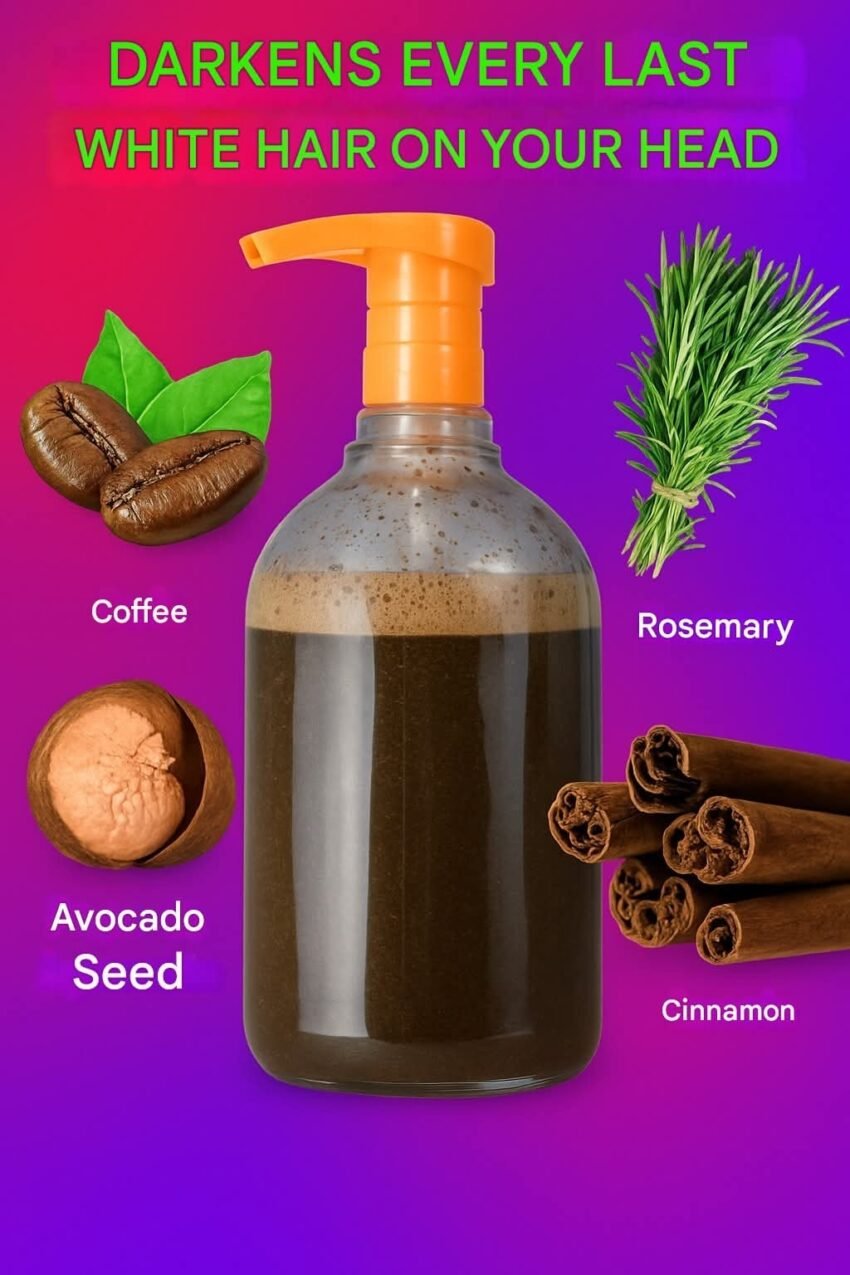
How to Make a Homemade and Natural Cinnamon Hair Dye Shampoo
Learn how to create a natural cinnamon hair dye shampoo at home to enhance shine, subtly warm hair tones, and nourish your scalp safely.
Introduction: Why Natural Hair Dye Is Gaining Popularity
Hair dye can be exciting—but commercial products often contain harsh chemicals, such as ammonia and parabens. Over time, these can dry out hair, irritate the scalp, and fade quickly.
Natural alternatives, like cinnamon, offer subtle color enhancement and hair care benefits without harsh chemicals.
In this guide, you’ll learn:
-
How cinnamon can naturally warm hair tones
-
A step-by-step recipe for your homemade dye shampoo
-
Tips for safe use and maximizing results
By the end, your hair can feel shinier, nourished, and subtly colored, all from ingredients in your kitchen.
Why Cinnamon Works for Hair
Cinnamon isn’t just a spice—it’s a natural pigment and hair booster.
Key Benefits:
-
Natural Warm Tones
-
Cinnamon can add subtle reddish-brown highlights to dark or medium brown hair.
-
-
Scalp Stimulation
-
Cinnamon improves blood flow, which may support healthier hair growth.
-
-
Antimicrobial Properties
-
Helps reduce dandruff and maintain a cleaner scalp.
-
-
Adds Shine and Smoothness
-
Blended with gentle oils, cinnamon can make hair feel soft and glossy.
-
⚠️ Cinnamon will not dramatically lighten or dye hair like chemical products—it’s ideal for gradual, subtle enhancement.
Ingredients for Homemade Cinnamon Dye Shampoo
-
1 cup mild shampoo (sulfate-free recommended)
-
2–3 tablespoons ground cinnamon
-
1 tablespoon coconut oil or olive oil (optional, for conditioning)
-
5–10 drops essential oil (optional, lavender or rosemary for fragrance)
Choose a shampoo that’s gentle on your scalp for best results.
Step-by-Step Instructions
Step 1: Mix Cinnamon with Shampoo
-
In a small bowl, combine 1 cup shampoo with 2–3 tablespoons cinnamon.
-
Stir until fully blended into a smooth, consistent paste.
Step 2: Add Oils for Nourishment
-
Mix in 1 tablespoon coconut or olive oil.
-
Optionally, add essential oils for fragrance and scalp support.
Step 3: Apply to Hair
-
Apply the mixture evenly on damp hair.
-
Focus on mid-lengths to ends for maximum color effect.
-
You can also apply near roots for a subtle scalp glow.
Step 4: Massage and Wait
-
Massage gently for 2–3 minutes to stimulate the scalp.
-
Leave the shampoo on hair for 15–20 minutes for gradual color absorption.
Step 5: Rinse Thoroughly
-
Rinse with lukewarm water until water runs clear.
-
Repeat once or twice a week for gradual enhancement.
Tips for Best Results
-
Consistency is Key: Cinnamon builds color gradually over 2–4 weeks.
-
Test a Strand First: Always do a patch test to check color outcome and scalp sensitivity.
-
Combine with Other Spices: A pinch of paprika or nutmeg can deepen warm tones.
-
Avoid Overuse: Excessive cinnamon can dry out hair—stick to 1–2 applications per week.
-
Moisturize: Follow with conditioner if hair feels dry after cinnamon use.
Potential Precautions
-
Cinnamon can cause mild scalp irritation in sensitive individuals.
-
Avoid applying to open cuts or irritated skin.
-
Pregnant individuals should consult a healthcare provider before frequent use of concentrated cinnamon products.
Why This DIY Shampoo Works Better Than Store-Bought “Natural” Dyes
-
You control ingredients—no hidden chemicals or synthetic dyes.
-
Gentle and gradual coloring reduces hair damage.
-
Affordable and easy to prepare with kitchen staples.
-
Can be customized with oils and essential oils for extra shine and fragrance.
FAQs: People Also Ask
Q: Will cinnamon turn blonde hair red?
A: It may add a subtle warm tint, but dramatic changes are unlikely. Best for medium to dark brown hair.
Q: How often should I use this shampoo?
A: 1–2 times per week for gradual color enhancement.
Q: Can I leave it on overnight?
A: Not recommended; 15–20 minutes is enough. Prolonged contact may irritate the scalp.
Q: Can cinnamon help hair growth?
A: It may stimulate circulation, supporting healthy hair, but it’s not a growth miracle.
Q: Does it smell spicy?
A: A mild cinnamon aroma remains; essential oils can adjust fragrance.
Q: Can kids use it?
A: Yes, in small amounts and with supervision.
Q: Can I mix it with henna or other natural dyes?
A: Yes, cinnamon complements henna and other plant-based dyes for enhanced warmth.
Conclusion: A Simple, Natural Way to Boost Hair Health and Color
Homemade cinnamon dye shampoo is a gentle, nourishing, and customizable way to add warmth and shine to your hair.
-
Safe for regular use
-
Enhances hair tone gradually
-
Supports scalp and overall hair health
With just a few ingredients from your kitchen, you can skip harsh chemicals and enjoy a naturally vibrant look.
Try it once a week, be consistent, and watch your hair glow with subtle cinnamon warmth.