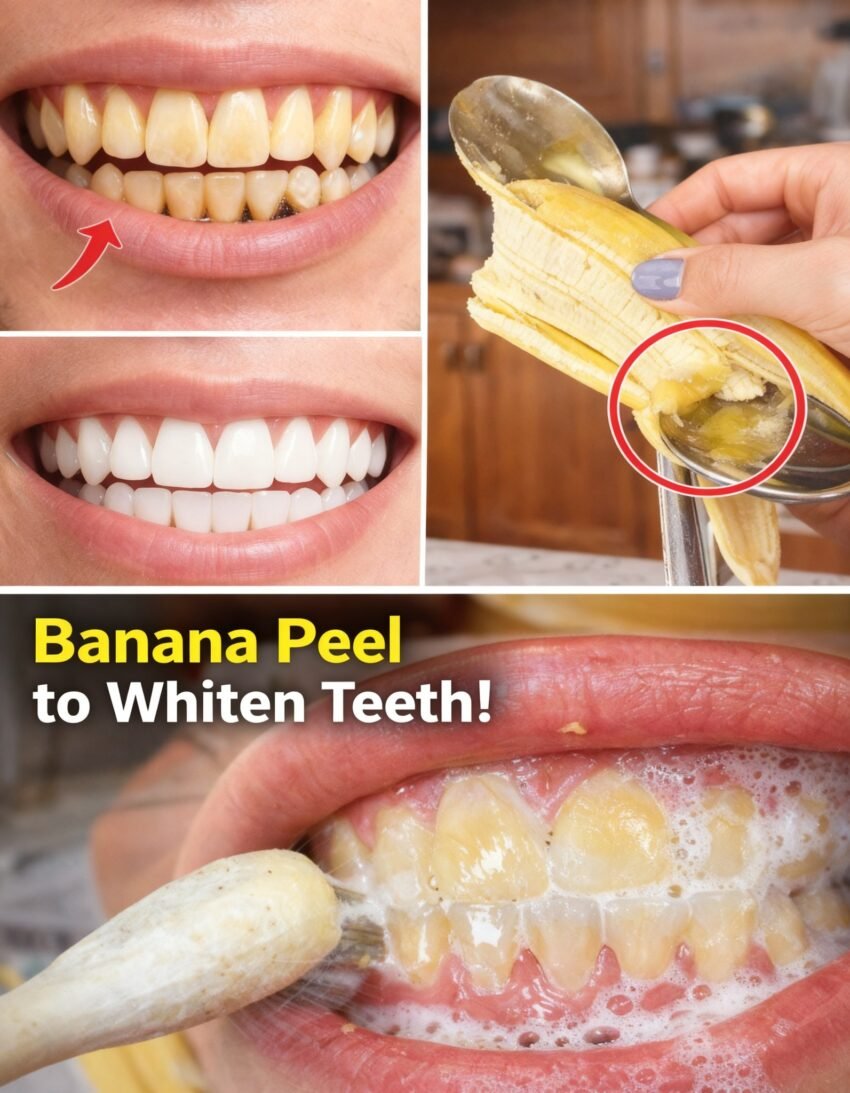
Natural Ways to Whiten Teeth Fast – Safe Home Remedies That Actually Work
Want whiter teeth naturally? Discover safe, evidence-aligned home methods that help remove stains, brighten your smile, and protect enamel—no harsh chemicals.
Introduction: Why Teeth Lose Their Whiteness (And Why “Fast” Needs Honesty)
If your smile looks dull or yellow lately, you’re not alone.
Coffee, tea, red wine, smoking, aging, and even some “healthy” foods can gradually stain teeth. Social media is full of bold promises—instant whitening, guaranteed results, zero effort—but many of those methods damage enamel or simply don’t work.
Here’s the grounded truth:
👉 You can’t safely change tooth color overnight at home.
👉 You can remove surface stains and noticeably brighten teeth quickly—if you do it the right way.
This guide focuses on natural, safe, and realistic methods that actually help whiten teeth without harming enamel or gums.
You’ll learn:
-
What causes tooth discoloration
-
Which natural methods help fastest (and why)
-
What to avoid completely
-
How to maintain results
No hype. No dangerous shortcuts.
Understanding Tooth Color (Simple Explanation)
Teeth have two main layers:
-
Enamel – the outer, white protective layer
-
Dentin – the inner layer, naturally more yellow
Natural methods mainly work by removing surface stains from enamel, not bleaching dentin. That’s why safety matters.
Natural Ways to Whiten Teeth That Actually Help
1. Baking Soda (Used Correctly)
Baking soda is mildly abrasive, which helps remove surface stains.
Why it works
-
Gently polishes enamel
-
Neutralizes acids that darken teeth
How to use safely
-
Mix a small amount with toothpaste
-
Use 2–3 times per week max
-
Brush gently for under 2 minutes
⚠️ Overuse can wear enamel—moderation is key.
2. Oil Pulling (Gradual but Gentle)
Oil pulling involves swishing oil in your mouth for several minutes.
Common choice: Coconut oil
What it may help with
-
Reducing plaque buildup
-
Supporting gum health
-
Slightly brightening teeth over time
This method won’t bleach teeth, but many people notice a cleaner, fresher look within days.
3. Hydrogen Peroxide (Low Concentration, Careful Use)
Hydrogen peroxide is commonly used in professional whitening—at controlled concentrations.
At-home use
-
Only low-strength solutions
-
Short exposure
-
Infrequent use
Why caution matters
-
Overuse can irritate gums
-
Too strong = enamel damage
This is one of the faster natural options, but it must be used responsibly.
4. Crunchy Fruits and Vegetables
Certain foods help clean teeth naturally while you chew.
Examples
-
Apples
-
Celery
-
Carrots
How they help
-
Increase saliva production
-
Gently scrub surface stains
-
Reduce plaque buildup
They won’t replace brushing—but they support it.
5. Strawberries (Occasional Use Only)
Strawberries contain natural acids that may help with surface stains.
Important reality
-
Effects are subtle
-
Acid can weaken enamel if overused
If used, it should be:
-
Rare
-
Gentle
-
Followed by a water rinse
This is not a daily method.
6. Good Old-Fashioned Brushing Technique
Sometimes it’s not what you use—it’s how you brush.
Common issues
-
Rushing
-
Missing the gumline
-
Brushing too hard
Better approach
-
Soft-bristle brush
-
Gentle circular motions
-
Full 2 minutes
Improved technique alone often leads to visible whitening within a week.
What to Avoid (Very Important)
Some popular “natural” hacks do more harm than good.
❌ Lemon juice or vinegar
❌ Activated charcoal (frequent use)
❌ Scrubbing with salt
❌ Abrasive DIY pastes
These methods strip enamel, making teeth look whiter temporarily—then darker and more sensitive long-term.
How Fast Can You Realistically See Results?
Here’s what most people experience:
-
1–3 days: Cleaner look, less buildup
-
1 week: Noticeable brightening from stain removal
-
2–3 weeks: Best results with consistent care
Anything promising instant dramatic whitening at home is usually unsafe.
Step-by-Step: A Safe 7-Day Natural Whitening Routine
Morning
-
Brush gently with fluoride toothpaste
-
Rinse with water after coffee or tea
Evening
-
Brush thoroughly
-
Oil pull (optional)
2–3x per week
-
Baking soda + toothpaste
Daily habits
-
Drink water after staining foods
-
Eat crunchy fruits or veggies
Simple. Sustainable. Safe.
Common Mistakes That Make Teeth Look Darker
Mistake 1: Brushing Immediately After Acidic Foods
➡️ Wait 30 minutes to protect enamel.
Mistake 2: Over-whitening
➡️ Weak enamel stains faster.
Mistake 3: Ignoring Gum Health
➡️ Healthy gums make teeth look whiter.
Mistake 4: Expecting “Hollywood White” Naturally
➡️ Natural teeth aren’t paper-white.
FAQs: People Also Ask
Can teeth be whitened naturally?
Yes—by removing surface stains safely.
How fast do natural methods work?
Some results appear within days, best results in weeks.
Is baking soda safe for teeth?
Yes, when used gently and infrequently.
Does oil pulling really work?
It helps cleanliness more than bleaching.
Are yellow teeth unhealthy?
Not necessarily—natural color varies.
Can enamel grow back?
No. Protecting it is essential.
Is professional whitening better?
It’s faster—but not always necessary.
What’s the safest daily habit for white teeth?
Consistent, gentle brushing and rinsing.
Why “Safe” Matters More Than “Fast”
Whiter teeth are about:
-
Clean enamel
-
Healthy gums
-
Long-term habits
Damaging enamel for quick results leads to:
-
Sensitivity
-
Darker teeth over time
-
Higher dental costs
Real whitening respects your teeth.
Conclusion: Brighten Your Smile Without Hurting It
You don’t need harsh chemicals or dangerous DIY tricks to improve your smile.
By using natural, evidence-aligned methods, you can safely remove stains, brighten your teeth, and protect enamel—often noticing results faster than expected.
The real secret isn’t speed.
It’s consistency and care.
Your smile is worth protecting.
Your Turn
Have you tried any natural whitening methods that worked—or didn’t?
Share your experience, send this guide to someone tempted by risky hacks, or explore more realistic oral-care tips that actually support long-term health. 😁