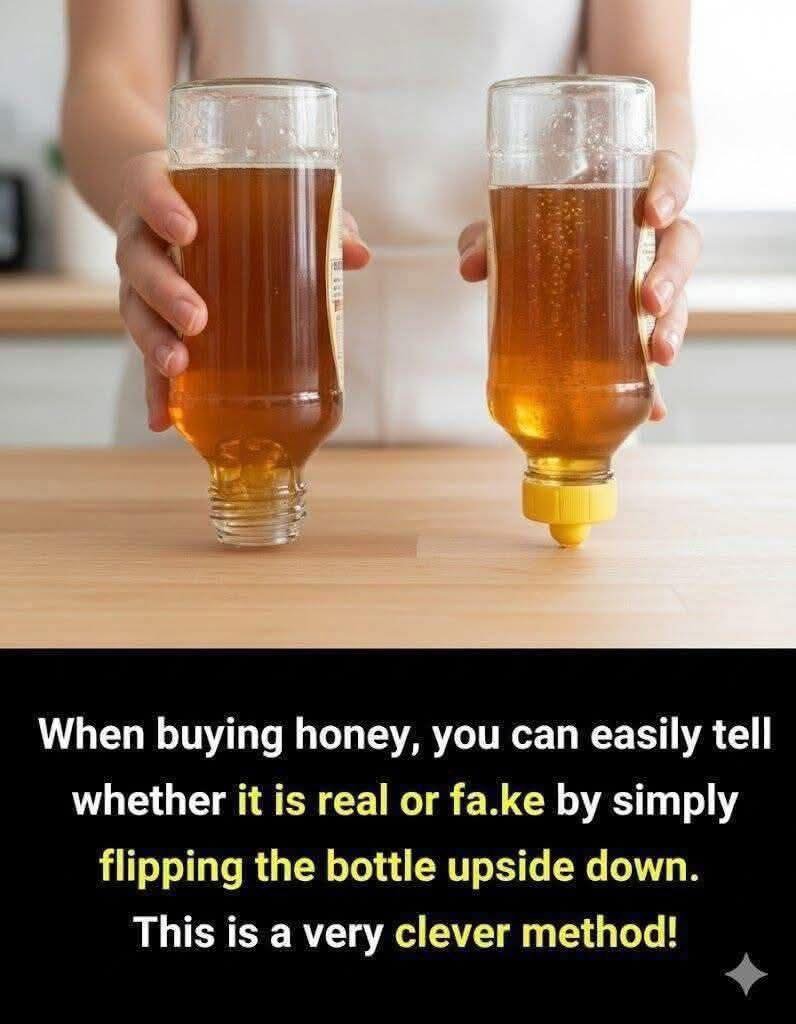
How to Check If Honey Is Real — Sweet Truths You Need to Know
Honey is one of nature’s most beloved treasures — golden, sweet, and full of flavor. But did you know that not all honey in stores is 100% real? Some varieties are diluted with sugar, syrup, or other additives, and it can be tricky to tell the difference just by looking.
Whether you’re a honey enthusiast, a home baker, or just trying to choose healthy natural sweeteners, knowing how to check if honey is real can save you money, improve your health, and enhance your recipes.
Why It Matters
Real honey is packed with antioxidants, enzymes, and trace minerals, making it a healthier alternative to refined sugar. Fake or adulterated honey, on the other hand, may lack nutrients and can even contain unnecessary additives.
Knowing the signs of authentic honey ensures you get the full natural benefits and enjoy the rich flavors nature intended.
7 Easy Ways to Test If Honey Is Real
1. The Water Test
-
Fill a glass with water.
-
Add a spoonful of honey.
-
Real honey tends to settle at the bottom without dissolving immediately.
-
Fake or adulterated honey dissolves quickly in water.
Pro Tip: Use room-temperature water for best results.
2. The Thumb Test
-
Place a small drop of honey on your thumb.
-
Check if it spreads or stays in place.
-
Real honey stays intact and sticky.
-
Fake honey spreads easily or runs off.
3. Flame Test
-
Dip a cotton bud in honey.
-
Try to light it with a match.
-
Real honey burns because it’s low in moisture.
-
Fake honey may not burn due to added water or syrup.
Safety Note: Perform this test carefully and away from flammable surfaces.
4. Taste and Aroma
-
Real honey has a distinct floral aroma and complex taste.
-
Fake honey often tastes overly sweet and lacks depth.
-
Some varieties may also leave a lingering aftertaste that’s metallic or artificial.
5. The Paper Towel Test
-
Drop a few drops of honey onto a paper towel.
-
Real honey does not get absorbed quickly.
-
Fake honey may soak into the paper like water.
6. The Heat Test
-
Heat a small amount of honey in a pan.
-
Real honey caramelizes quickly without producing foam.
-
Fake honey tends to bubble excessively or produce foam because of added water.
7. Check the Label & Source
-
Look for raw, unprocessed, or unfiltered honey.
-
Avoid honey labeled as “blended” or “honey product.”
-
Trusted local beekeepers often provide the most authentic honey.
Tips for Buying Real Honey
-
Choose glass jars — plastic may contain additives.
-
Check origin — local honey is often fresher and unprocessed.
-
Look for certifications — USDA Organic, raw, or single-origin labels.
-
Trust your senses — smell, texture, and taste matter more than marketing claims.
FAQs
1. Can I eat fake honey?
Yes, it’s generally safe, but it lacks nutrients and may contain added sugars.
2. Is raw honey always real?
Raw honey is less processed and usually authentic, but it’s still good to do simple tests.
3. How long does real honey last?
Pure honey can last indefinitely if stored in a sealed container in a cool, dry place.
4. Can children eat honey?
Avoid honey for children under 1 year due to the risk of botulism.
5. Does crystallization mean honey is fake?
No! Real honey naturally crystallizes over time; it’s a sign of authenticity, not spoilage.
Final Thoughts
Honey is one of nature’s sweetest gifts, and enjoying real, authentic honey means savoring all its flavor and health benefits. Using these simple at-home tests — from the water test to taste and aroma — you can easily spot fake honey and make smarter choices.
Next time you drizzle that golden nectar over toast, tea, or yogurt, you can do so with confidence, knowing it’s pure, natural, and real. 🍯✨