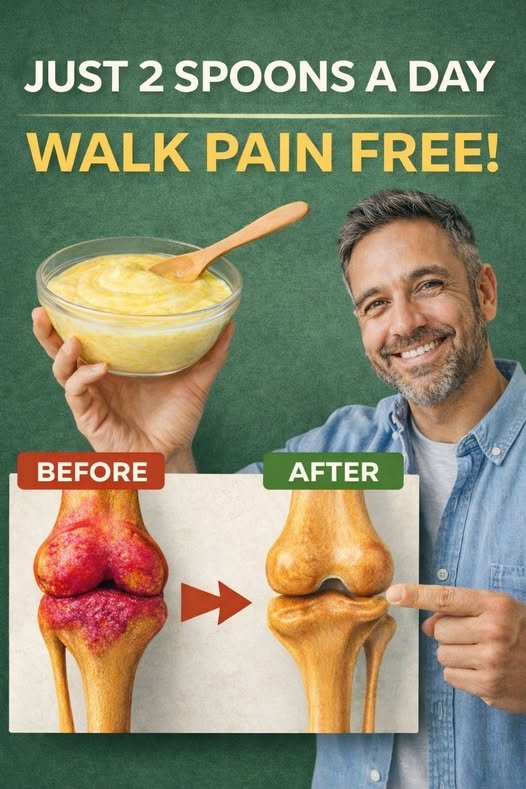
97-Year-Old Orthopedic Surgeon Claims This Food Can Rebuild Knee Cartilage in 24 Hours — Here’s the Truth Behind the Viral Health Claim
A viral claim says a 97-year-old orthopedic surgeon discovered a food that rebuilds knee cartilage in 24 hours. Here’s what science actually says about joint health.
The Viral Claim That Has Millions of People Curious
You may have seen headlines like this while scrolling online:
“97-year-old orthopedic surgeon reveals the one food that rebuilds knee cartilage in 24 hours.”
It sounds almost miraculous.
For millions of Americans dealing with knee stiffness, joint pain, or age-related wear and tear, the idea that a simple food could restore cartilage overnight feels like hope in a headline.
But here’s the critical question:
Is it actually possible to rebuild knee cartilage in just 24 hours?
Before you rush to stock your refrigerator with whatever food is being promoted, it’s worth understanding how knee cartilage works, what modern orthopedic research says, and what foods truly support long-term joint health.
This article takes a science-based, practical look at the claim — separating viral internet myths from real medical insight.
Understanding Knee Cartilage: Why It Matters
Knee cartilage is a specialized connective tissue that covers the ends of bones in the joint.
Its job is to:
-
Absorb shock when walking or running
-
Allow smooth joint movement
-
Prevent bones from rubbing together
When cartilage begins to break down, people may experience:
-
stiffness
-
swelling
-
reduced mobility
-
chronic pain
One of the most common conditions associated with cartilage degeneration is Osteoarthritis, which affects millions of adults in the United States.
According to the Centers for Disease Control and Prevention, over 32 million American adults live with osteoarthritis, and knee joints are among the most frequently affected.
This explains why viral claims about “cartilage regeneration foods” gain so much attention.
Can Cartilage Really Rebuild in 24 Hours?
The short answer:
No scientific evidence supports the idea that any food can rebuild knee cartilage in 24 hours.
Cartilage has very limited ability to regenerate because it lacks its own blood supply.
Unlike skin or muscle, cartilage heals slowly.
In fact, orthopedic specialists often say cartilage repair can take:
-
months
-
years
-
or may not fully regenerate without medical intervention
Organizations like the American Academy of Orthopaedic Surgeons emphasize that while nutrition can support joint health, it cannot instantly rebuild cartilage tissue.
That said, certain nutrients do play an important role in maintaining cartilage and reducing inflammation.
The Food Most Often Linked to This Claim
Many versions of the viral headline point to bone broth as the “secret” food.
Bone broth has become popular in wellness circles because it contains compounds related to joint health.
Why Bone Broth Gets So Much Attention
Bone broth is rich in:
-
collagen
-
gelatin
-
amino acids
-
minerals like calcium and magnesium
Collagen is a structural protein that helps form connective tissues in the body.
Because cartilage contains collagen, many people assume consuming collagen-rich foods automatically rebuilds cartilage.
However, nutrition science shows the relationship is more indirect.
When you eat collagen, your body breaks it down into amino acids during digestion.
Those amino acids can support tissue repair, but they do not directly rebuild cartilage overnight.
Nutrients That Actually Support Joint Health
While there is no instant cartilage fix, research shows certain nutrients help maintain healthier joints over time.
1. Collagen and Gelatin
Collagen supplements and collagen-rich foods may support joint comfort in some individuals.
Studies have shown they may improve symptoms of joint stiffness when consumed consistently.
Common sources include:
-
bone broth
-
chicken skin
-
fish skin
-
collagen peptides
2. Omega-3 Fatty Acids
Omega-3s help reduce inflammation in the body.
Anti-inflammatory diets can help people with joint discomfort.
Foods rich in omega-3s include:
-
salmon
-
sardines
-
walnuts
-
flaxseeds
3. Vitamin C
Vitamin C plays a key role in collagen production.
Good sources include:
-
oranges
-
strawberries
-
bell peppers
-
broccoli
4. Vitamin D
Low vitamin D levels are linked to joint pain and bone weakness.
Many Americans get vitamin D from:
-
sunlight
-
fortified milk
-
fatty fish
5. Antioxidant-Rich Foods
Inflammation can accelerate cartilage breakdown.
Foods high in antioxidants may help protect joint tissues.
Examples include:
-
blueberries
-
spinach
-
green tea
-
turmeric
What Orthopedic Experts Actually Recommend
Orthopedic surgeons generally recommend a multi-factor approach to joint health.
Rather than relying on a single miracle food, experts suggest combining several lifestyle strategies.
Healthy Weight Management
Excess body weight increases pressure on knee joints.
Losing even 10–15 pounds can significantly reduce knee stress.
Strengthening Muscles Around the Knee
Exercises such as:
-
squats
-
leg raises
-
resistance band training
help stabilize the joint and reduce strain.
Low-Impact Activity
Activities like:
-
swimming
-
cycling
-
walking
help maintain mobility without excessive joint impact.
Anti-Inflammatory Diet
A diet rich in:
-
vegetables
-
lean protein
-
healthy fats
supports long-term joint health.
Realistic Timeline for Cartilage Repair
Instead of expecting overnight results, cartilage support works on a much longer timeline.
| Approach | Typical Timeframe |
|---|---|
| Anti-inflammatory diet | 4–12 weeks |
| Strength training improvements | 6–12 weeks |
| Weight loss impact on joints | 2–6 months |
| Medical cartilage treatments | Several months to years |
Consistency matters far more than quick fixes.
Common Myths About Knee Cartilage
Myth 1: One Food Can Reverse Joint Damage
No single food can regenerate cartilage instantly.
Joint health depends on multiple factors.
Myth 2: Supplements Work Overnight
Even the best joint supplements require weeks or months to show noticeable results.
Myth 3: Cartilage Damage Is Always Permanent
While cartilage has limited healing ability, treatments like physical therapy and lifestyle changes can significantly improve symptoms.
Expert Tips for Protecting Your Knee Joints
Orthopedic specialists often recommend these lesser-known strategies.
Stay Hydrated
Cartilage is composed largely of water.
Proper hydration helps maintain its cushioning properties.
Avoid Prolonged Sitting
Extended sitting can stiffen joints and reduce circulation.
Standing and stretching periodically helps maintain joint mobility.
Focus on Leg Strength
Stronger quadriceps and hamstrings reduce the load placed directly on the knee joint.
Balance Your Nutrition
Joint-supportive diets include:
-
lean protein
-
healthy fats
-
colorful vegetables
-
whole grains
A Real-World Example
Consider someone in their late 50s experiencing early knee discomfort.
Instead of searching for a miracle food, they adopt a structured routine:
-
add collagen-rich foods twice a week
-
walk 30 minutes daily
-
incorporate light strength training
-
maintain a balanced diet
After several months, many people report:
-
reduced stiffness
-
improved mobility
-
less inflammation
While cartilage may not fully regenerate, joint function often improves significantly.
The Growing Trend of Joint Health Awareness
Joint health has become a major focus in preventive medicine.
Research institutions such as Mayo Clinic and National Institutes of Health continue studying nutrition, exercise, and regenerative therapies to improve joint outcomes.
New developments in areas like stem cell research and cartilage regeneration are also being explored.
However, most experts agree that healthy lifestyle habits remain the most effective strategy today.
Frequently Asked Questions
Can cartilage regenerate naturally?
Cartilage has limited self-healing ability, but certain treatments and lifestyle changes may improve joint function.
Is bone broth good for joints?
Bone broth contains collagen and amino acids that support connective tissue health, but it does not rebuild cartilage instantly.
What foods reduce knee inflammation?
Foods rich in omega-3 fatty acids, antioxidants, and vitamins can help reduce inflammation.
How long does cartilage repair take?
When improvement occurs, it usually happens over months rather than days.
Are collagen supplements effective?
Some research suggests collagen supplements may help improve joint comfort when taken consistently.
What is the best exercise for knee health?
Low-impact activities like walking, cycling, and swimming are commonly recommended.
Can weight loss help knee pain?
Yes. Reducing body weight decreases stress on knee joints and often improves symptoms.
Should I avoid certain foods for joint health?
Highly processed foods and excessive sugar may contribute to inflammation.
Quick Action Checklist for Healthier Knees
If you want to support your joint health, start with these practical steps:
✔ Maintain a healthy body weight
✔ Eat collagen-rich and nutrient-dense foods
✔ Include omega-3 fatty acids in your diet
✔ Stay physically active
✔ Strengthen muscles around the knee
✔ Drink enough water daily
✔ Reduce processed foods and excess sugar
Small consistent habits make the biggest difference over time.
Conclusion: The Truth About “Miracle Cartilage Foods”
Headlines claiming that a single food can rebuild knee cartilage in 24 hours may sound exciting, but they oversimplify a complex biological process.
Cartilage repair takes time.
Nutrition absolutely plays an important role in joint health, but lasting improvements come from consistent habits rather than overnight solutions.
A balanced diet, regular physical activity, proper weight management, and professional medical guidance remain the most reliable path to healthier joints.
No food can rebuild knee cartilage in just 24 hours.
However, nutrients like collagen, omega-3 fatty acids, and vitamins can support joint health when combined with a healthy lifestyle.
If you’re concerned about knee pain or cartilage damage, consulting a qualified healthcare professional is the safest next step.