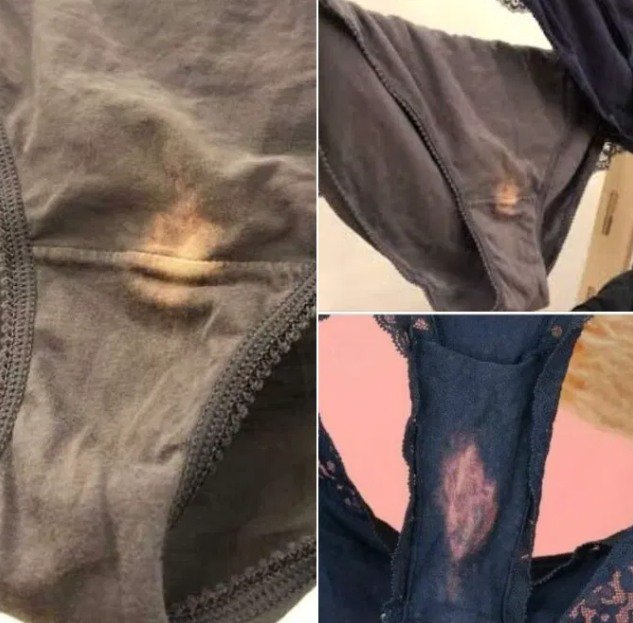
Bleach-Like Stains on Underwear? Here’s What They Really Mean About Vaginal Health
Noticing bleach-like patches on your underwear? Learn why vaginal discharge can cause fabric discoloration, what it means for your health, and when to see a doctor.
You Notice a Bleach Spot… But You Never Used Bleach
You’re doing laundry or getting dressed when you notice something odd.
There’s a light or bleach-like patch in the crotch area of your underwear—even though you never used bleach.
For many people, this discovery is confusing. Some worry their clothes are defective. Others wonder if a cleaning product somehow damaged the fabric.
But in most cases, the explanation is actually completely natural and related to normal vaginal chemistry.
Understanding why this happens can clear up confusion and help people feel more confident about their body’s normal functions.
In this guide, we’ll explain:
-
Why bleach-like spots appear on underwear
-
The role of vaginal pH and natural discharge
-
When discoloration is normal
-
When symptoms may require medical attention
-
Tips for underwear care and hygiene
The Simple Explanation: Natural Vaginal Acidity
The most common reason for bleach-like patches on underwear is the natural acidity of vaginal discharge.
The vagina maintains a slightly acidic pH, usually between 3.8 and 4.5. This acidity plays an important role in maintaining a healthy environment.
It helps:
-
prevent harmful bacteria from growing
-
support beneficial microbes
-
protect against infections
Because of this natural acidity, vaginal discharge can sometimes lighten or discolor certain fabrics, especially darker-colored cotton underwear.
The result can look similar to a bleach stain.
Importantly, this doesn’t mean anything is wrong. In fact, it often indicates that the body’s natural protective system is functioning normally.
Understanding Vaginal Discharge
Vaginal discharge is a normal part of reproductive health.
It helps keep the vagina clean and balanced by carrying away:
-
dead cells
-
bacteria
-
fluids produced by glands in the cervix and vagina
Most people experience discharge daily, although the amount and texture can vary depending on factors such as:
-
menstrual cycle
-
hormone levels
-
pregnancy
-
birth control use
Discharge may appear:
-
clear
-
milky white
-
slightly creamy
When it interacts with fabric over time, the acidity can cause color fading or lighter patches.
Why the Discoloration Looks Like Bleach
The term “bleach stain” is used because the appearance is similar.
But it’s not caused by actual bleach.
Instead, it’s a chemical reaction between:
-
the acidic pH of vaginal discharge
-
dyes used in fabric
Darker fabrics often show this effect more clearly because dye pigments break down when exposed to acidity.
Lighter-colored underwear may not show noticeable changes.
Why This Happens More With Certain Underwear
Not all fabrics react the same way.
Cotton
Cotton underwear is breathable and commonly recommended for comfort and hygiene.
However, cotton fabric dyes can sometimes be sensitive to acidic environments, making discoloration more noticeable.
Synthetic Fabrics
Materials such as polyester or nylon may show fewer visible stains, but they may also trap moisture more easily.
This is why many healthcare professionals recommend cotton or cotton-blend underwear for daily wear.
How the Menstrual Cycle Affects Discharge
Discharge changes naturally throughout the menstrual cycle.
For example:
| Cycle Phase | Typical Discharge |
|---|---|
| After period | Minimal or dry |
| Ovulation | Clear and stretchy |
| After ovulation | Creamy or thicker |
| Before period | Slightly heavier |
These changes are normal and reflect shifts in hormones.
Because discharge quantity varies, the likelihood of fabric discoloration may also change during different parts of the cycle.
When Discoloration Is Completely Normal
Bleach-like patches are usually harmless if:
-
there is no strong odor
-
there is no itching or irritation
-
the discharge is clear or milky white
-
there is no unusual pain or discomfort
In these situations, the discoloration is simply a sign of normal vaginal acidity interacting with fabric dyes.
When to Pay Closer Attention
While most cases are normal, certain symptoms may indicate a need for medical evaluation.
Consider speaking with a healthcare professional if you notice:
-
strong or unpleasant odor
-
green or yellow discharge
-
thick cottage-cheese-like discharge
-
itching or burning
-
pelvic pain
These symptoms may sometimes be associated with conditions such as yeast infections or bacterial imbalances.
Healthcare providers can provide appropriate evaluation and treatment if needed.
Common Myths About Bleach-Like Stains
Myth 1: It Means Poor Hygiene
This is false.
The discoloration is related to natural body chemistry, not cleanliness.
Myth 2: It Only Happens to Some People
Many people with vaginas experience this at some point. Some simply notice it more depending on the color of their underwear.
Myth 3: It Indicates an Infection
Most of the time, it does not.
Healthy vaginal pH levels can cause the same effect.
A Real-Life Scenario
Many people first notice these stains during adolescence or early adulthood.
For example, someone might buy a new set of dark-colored underwear and notice pale patches forming after several washes.
It can be surprising at first.
But after learning about vaginal pH, many realize it’s simply a normal biological process interacting with fabric dye.
Tips for Underwear Care
If the appearance of stains bothers you, a few practical steps may help.
1. Choose Lighter Colors
Light-colored fabrics show less visible discoloration.
2. Wear Breathable Materials
Cotton underwear allows better airflow and helps reduce moisture buildup.
3. Change Underwear Daily
Fresh underwear supports general hygiene and comfort.
4. Avoid Harsh Soaps
Gentle, fragrance-free laundry detergents can help protect both skin and fabric.
Expert Insights on Vaginal Health
Gynecologists often emphasize that the vagina is self-cleaning.
Routine hygiene typically involves:
-
washing the external genital area with mild soap and water
-
avoiding douches or harsh cleansers
Overly aggressive cleaning can actually disrupt the natural balance of beneficial bacteria.
Maintaining the body’s natural environment is usually the healthiest approach.
Frequently Asked Questions
Why do I have bleach spots on my underwear?
They are usually caused by the natural acidity of vaginal discharge reacting with fabric dye.
Is it normal for discharge to bleach fabric?
Yes. The vagina’s normal pH level can lighten certain materials over time.
Does this mean my pH is unhealthy?
Not necessarily. In many cases, it means the vaginal environment is functioning normally.
Should I wash differently to prevent stains?
Regular washing is usually sufficient. Choosing lighter fabrics may reduce visible discoloration.
Can diet affect vaginal pH?
Diet can influence overall health, but many factors—including hormones and natural bacteria—affect vaginal balance.
Do all people experience this?
Many do, though the visibility depends on fabric color and material.
Is it a sign of infection?
Only if accompanied by symptoms like itching, unusual odor, or irritation.
Can birth control change discharge?
Hormonal contraceptives can influence the amount and consistency of discharge.
Quick Health Checklist
✔ Notice the color and consistency of discharge
✔ Pay attention to unusual odors or irritation
✔ Choose breathable underwear materials
✔ Maintain simple, gentle hygiene habits
✔ Seek medical advice if symptoms change suddenly
Conclusion
Bleach-like patches on underwear may seem surprising at first, but they are often a perfectly normal result of the vagina’s natural acidity interacting with fabric dyes.
Rather than indicating a problem, these marks can simply reflect the body’s natural balance at work.
Understanding how vaginal health functions helps replace confusion with confidence—and reminds us that many everyday experiences are simply part of normal biology.
If you notice light patches on your underwear, there’s usually no reason to worry.
It’s often just a sign of healthy vaginal chemistry doing its job.
If you found this article helpful, consider sharing it or joining the conversation by discussing common health questions that deserve clearer answers.