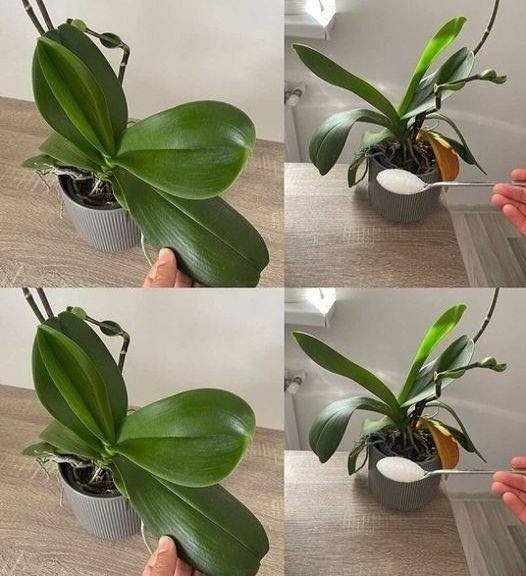
Orchids: Just 1 Tablespoon and They Will Bloom Non-Stop – A Powerful Fertilizer
Boost your orchids with just 1 tablespoon of this natural fertilizer. Learn how to encourage nonstop blooming and keep your orchids healthy year-round.
Why Orchids Are So Special
Orchids are among the most beloved and elegant houseplants, prized for their long-lasting and vibrant blooms.
Yet, even experienced plant lovers often struggle with:
-
Sparse flowering
-
Slow growth
-
Yellowing leaves
The secret to non-stop blooms isn’t just watering or sunlight—it’s the right fertilizer, applied correctly.
The Power of 1 Tablespoon: How Fertilizer Can Transform Your Orchid
Orchids need nutrients differently than typical houseplants. Too much fertilizer can burn roots, while too little results in fewer flowers.
Using just 1 tablespoon of a properly balanced fertilizer—applied at the right frequency—can:
-
Stimulate frequent flowering
-
Support healthy root growth
-
Maintain vibrant leaves
-
Encourage strong stems to hold blooms longer
Choosing the Right Fertilizer
When selecting a fertilizer for orchids:
-
Balanced nutrients: Look for an NPK ratio of around 20-20-20 for general use, or a bloom-focused fertilizer (like 10-30-20) when encouraging flowers.
-
Water-soluble formula: Ensures nutrients reach roots effectively without buildup.
-
Organic options: Fish emulsion, seaweed extract, or compost teas can be gentle and safe for indoor orchids.
How to Apply 1 Tablespoon Correctly
Ingredients
-
1 tablespoon water-soluble orchid fertilizer
-
1 gallon of lukewarm water
Instructions
-
Dissolve 1 tablespoon of fertilizer into 1 gallon of lukewarm water.
-
Water your orchid with this solution once every 2 weeks.
-
During active blooming seasons, you can use the solution once a week.
-
Ensure roots are well-drained; avoid letting water sit at the bottom of the pot.
Tip: Orchids prefer weaker, consistent feeding rather than occasional heavy doses. This encourages non-stop blooms without stressing the plant.
Additional Care Tips for Blooming Orchids
-
Light: Bright, indirect sunlight is ideal. Too much direct sun can burn leaves; too little reduces flowers.
-
Humidity: Keep air humidity between 50–70%. Mist lightly or use a humidity tray.
-
Temperature: Maintain 65–75°F (18–24°C) during the day and slightly cooler at night to encourage flowering.
-
Pruning: Remove dead flowers and leaves to redirect energy to new blooms.
-
Potting medium: Orchids thrive in well-draining bark or moss, not regular soil.
Common Mistakes to Avoid
-
Over-fertilizing: Too much fertilizer can damage roots and reduce flowering.
-
Underwatering: Orchids need consistent moisture but should never sit in water.
-
Wrong light conditions: Too dark or direct sun can stress the plant.
-
Ignoring dormancy: Some orchids need a rest period to bloom again; reduce fertilization during this time.
Frequently Asked Questions
Can 1 tablespoon really make orchids bloom nonstop?
Yes, when diluted properly and combined with proper light, humidity, and care, it provides the right nutrients without harming the plant.
Can I use regular plant fertilizer?
No, orchids require a specific balance of nutrients. Using standard fertilizer may burn roots.
How often should I fertilize blooming orchids?
Once every 2 weeks with diluted fertilizer; increase to weekly during active blooming periods.
Can orchids survive without fertilizer?
They can survive, but blooms will be less frequent, and overall growth may slow.
Is organic fertilizer effective for orchids?
Yes, organic options like seaweed extract or fish emulsion are safe and beneficial.
With just 1 tablespoon of properly diluted fertilizer, combined with consistent care, you can encourage your orchids to bloom non-stop and maintain healthy, vibrant foliage.
The key is balance: light, water, nutrients, and patience.
Share this guide with friends and family who love orchids, and leave a comment about your favorite orchid care tips or flowering successes.