Fibromyalgia Syndrome: Understanding It and Natural Ways to Manage Symptoms
Fibromyalgia causes chronic pain, fatigue, and brain fog. Learn what fibromyalgia syndrome is and natural strategies to manage it effectively.
What Is Fibromyalgia Syndrome?
Fibromyalgia Syndrome (FMS) is a chronic condition characterized by widespread musculoskeletal pain, fatigue, and tenderness.
-
It affects muscles, ligaments, and tendons, but the pain is real and persistent
-
Commonly includes sleep disturbances, cognitive difficulties (often called “fibro fog”), and mood issues
-
Estimated to affect 2–4% of the U.S. population, mostly women
While the exact cause is unknown, research points to:
-
Abnormal pain signal processing in the central nervous system
-
Hormonal and neurotransmitter imbalances
-
Genetic and environmental factors, including stress or infections
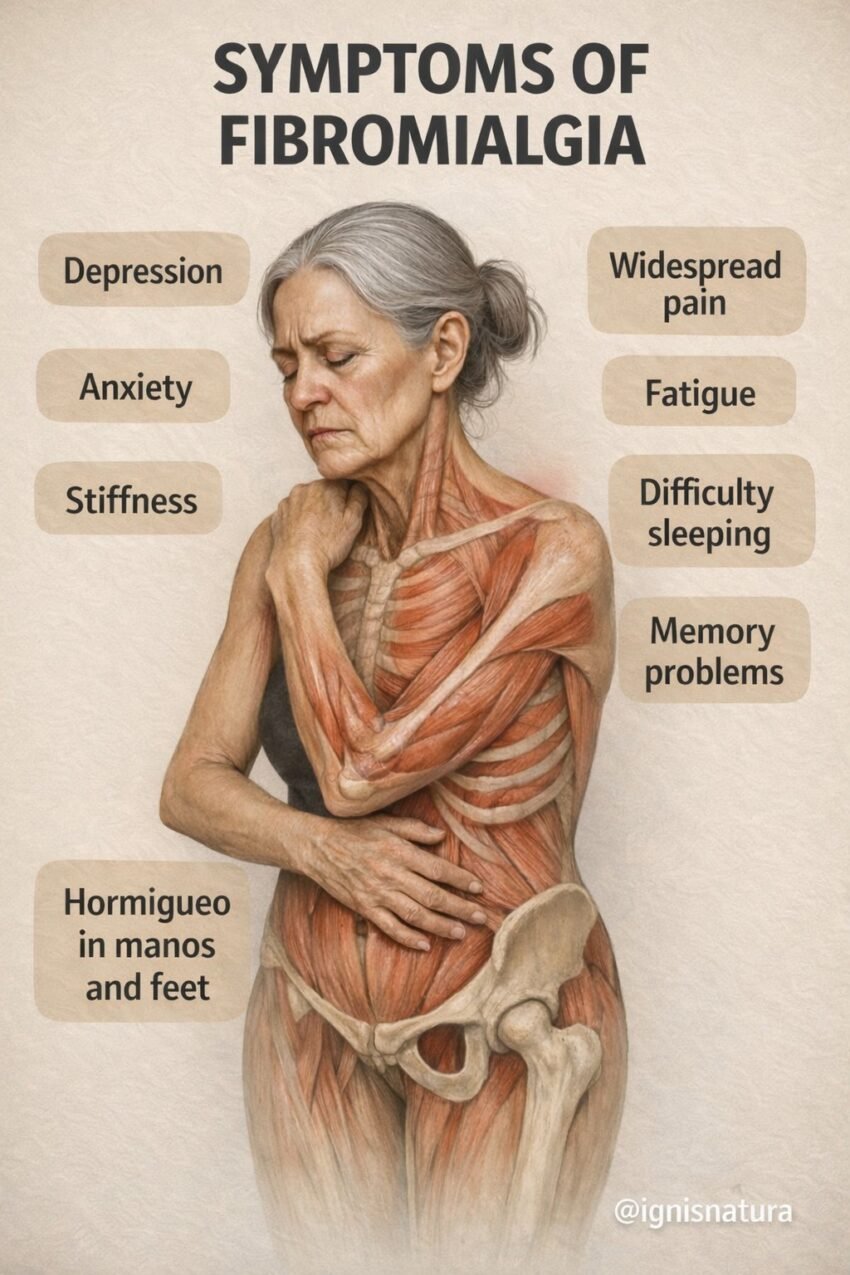
Common Symptoms of Fibromyalgia
-
Widespread pain (aching or burning)
-
Fatigue and low energy
-
Sleep problems, including unrefreshing sleep
-
Cognitive challenges (“fibro fog”)
-
Stiffness, headaches, or irritable bowel symptoms
-
Sensitivity to temperature, noise, or touch
Natural Strategies to Combat Fibromyalgia
While there’s no cure, lifestyle and natural approaches can significantly reduce symptoms.
1. Gentle Exercise
-
Low-impact activities reduce pain and improve mobility
-
Examples:
-
Walking or swimming
-
Yoga or tai chi for flexibility and stress reduction
-
Stretching routines for tight muscles
-
-
Start slowly and build up to avoid flare-ups
2. Nutrition and Anti-Inflammatory Diet
Certain foods may worsen inflammation or fatigue, while others support nerve and muscle health:
Helpful Foods:
-
Fruits and vegetables rich in antioxidants
-
Omega-3 fatty acids (salmon, flaxseed, walnuts)
-
Whole grains and lean proteins
Foods to Limit:
-
Processed foods and refined sugars
-
Excess caffeine and alcohol
-
Highly processed red meats
3. Stress Management
Stress often amplifies fibromyalgia pain. Techniques include:
-
Meditation and deep breathing exercises
-
Mindfulness-based stress reduction
-
Progressive muscle relaxation
-
Journaling or therapy to manage emotional stress
4. Sleep Optimization
Quality sleep is critical for managing FMS:
-
Maintain a consistent sleep schedule
-
Create a calm, dark, and quiet sleep environment
-
Avoid screens and caffeine before bedtime
-
Gentle stretching or a warm bath can relax muscles before sleep
5. Heat Therapy and Massage
-
Warm baths or heating pads help reduce muscle stiffness
-
Massage therapy or myofascial release can relieve tension and improve circulation
6. Alternative Therapies
-
Acupuncture may reduce pain and improve well-being
-
Reflexology or foot massage may enhance relaxation
-
Chiropractic care or gentle adjustments can help posture and reduce pain
7. Supplements (With Caution)
Some people benefit from natural supplements:
-
Magnesium (may reduce muscle cramps and improve sleep)
-
Vitamin D (supports bone and muscle health)
-
Omega-3 fish oils (anti-inflammatory properties)
Always consult a healthcare provider before starting supplements.
Lifestyle Tips for Daily Management
-
Break tasks into smaller steps to conserve energy
-
Use ergonomic furniture or supportive cushions
-
Track triggers in a journal (food, stress, activity)
-
Build a supportive network of friends, family, or support groups
Real-Life Example
Emma, diagnosed with fibromyalgia, implemented:
-
Daily morning walks and evening stretching
-
Anti-inflammatory meals with fish, greens, and berries
-
Meditation sessions before bed
Within weeks, she noticed reduced stiffness, improved sleep, and better energy—showing that natural lifestyle changes can have a real impact.
Fibromyalgia syndrome is a chronic but manageable condition. While conventional medicine may help with medications for pain or sleep, natural strategies play a key role in daily symptom control.
Key Takeaways:
-
Regular gentle exercise keeps muscles and joints flexible
-
Balanced diet and anti-inflammatory foods support energy and reduce pain
-
Stress management and quality sleep improve overall well-being
-
Therapies like massage, acupuncture, and heat application can enhance comfort
By combining these approaches, you can take control of your fibromyalgia symptoms naturally and improve your quality of life.
If you or someone you know lives with fibromyalgia, share your experience or tips below—learning from others’ routines can provide new ideas for symptom relief.