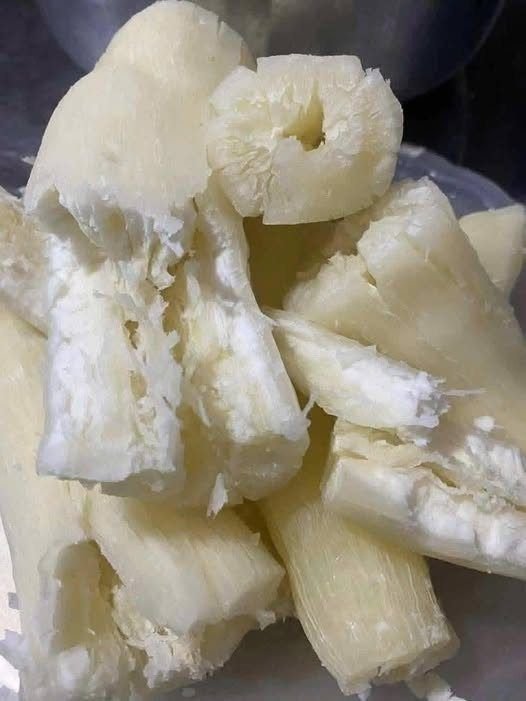
Doctors Reveal That Cassava Consumption Causes…
Learn what doctors say about cassava consumption, its potential effects on health, and how to enjoy it safely. Essential insights for everyday diets.
The Popularity of Cassava
Cassava, also known as yuca or manioc, is a staple root vegetable in many countries, prized for its versatility and carbohydrate content. In the United States, it’s becoming increasingly popular in recipes like fries, flour, and gluten-free dishes.
But despite its benefits, doctors caution that improper consumption can lead to serious health consequences.
1. Nutritional Benefits of Cassava
- Rich in carbohydrates, providing long-lasting energy
- Gluten-free and suitable for celiac-friendly diets
- Contains vitamins and minerals like vitamin C, folate, and potassium
- Can be prepared in multiple ways: boiled, baked, fried, or fermented
2. Hidden Risks: Cyanogenic Compounds
- Raw cassava contains cyanogenic glycosides, which release cyanide when ingested
- Symptoms of cyanide exposure include:
- Headaches and dizziness
- Nausea and vomiting
- Fatigue and confusion
- Severe cases can lead to neurological issues or even death if consumed in large quantities
Tip: Always cook cassava thoroughly to neutralize harmful compounds.
3. Long-Term Consumption Effects
Doctors have observed that regular consumption of improperly prepared cassava may cause:
- Tropical ataxia or neuropathy – nerve damage affecting coordination
- Goiter and thyroid problems – in regions with low iodine intake
- Nutrient deficiencies – relying solely on cassava may reduce protein intake
4. Safe Preparation Methods
- Peel and soak the root to remove toxins
- Boil, bake, or fry thoroughly before consumption
- Avoid eating raw or undercooked cassava
- Use fermentation or drying techniques common in traditional cooking
5. Real-Life Scenario
Maria loved cassava fries as a snack but often boiled them briefly:
- She experienced mild digestive discomfort and fatigue
- After learning proper cooking methods, she soaked and boiled the cassava longer
- Symptoms disappeared, and she continued enjoying cassava safely
6. Pros and Cons of Cassava in Your Diet
Pros:
- Energy-rich and gluten-free
- Versatile in recipes
- Affordable and widely available
Cons:
- Raw cassava is toxic
- Long-term improper consumption can affect nerves and thyroid
- Low protein content may cause nutrient imbalance if eaten excessively
Expert Tips for Cassava Lovers
- Always cook thoroughly – no shortcuts
- Pair with protein-rich foods – balance nutrition
- Peel and soak before cooking to remove toxins
- Moderate consumption – don’t rely on cassava as the main staple
- Seek advice if pregnant or with thyroid issues
2026 Trend: Cassava in Modern Diets
- Cassava flour is trending in gluten-free baking
- Cassava-based snacks and chips are becoming mainstream in US supermarkets
- Nutritionists emphasize safe preparation and moderation
Frequently Asked Questions
1. Can I eat cassava raw?
No. Raw cassava contains toxins that can release cyanide. Always cook thoroughly.
2. How long should I boil cassava?
At least 15–20 minutes after peeling and cutting into pieces, or until soft.
3. Is cassava good for weight loss?
It’s high in carbs and calories; portion control is key.
4. Can children eat cassava?
Yes, if properly cooked and in moderation.
5. Are cassava fries safe?
Yes, if fully cooked. Avoid partially cooked or raw varieties.
Action Checklist: Enjoy Cassava Safely
- ✔ Peel and soak before cooking
- ✔ Boil, bake, or fry thoroughly
- ✔ Balance with protein and vegetables
- ✔ Avoid raw consumption
- ✔ Introduce gradually to your diet
Conclusion: Delicious, But Handle With Care
Cassava can be a nutritious and delicious addition to your diet when prepared properly. Awareness of its potential risks ensures you enjoy it safely without compromising your health.
Doctors warn: improper cassava consumption can cause toxicity, nerve issues, and digestive problems. Proper cooking, moderation, and pairing with other foods make it safe and enjoyable.
Have you tried cassava safely at home? Share your favorite recipes or experiences in the comments below!