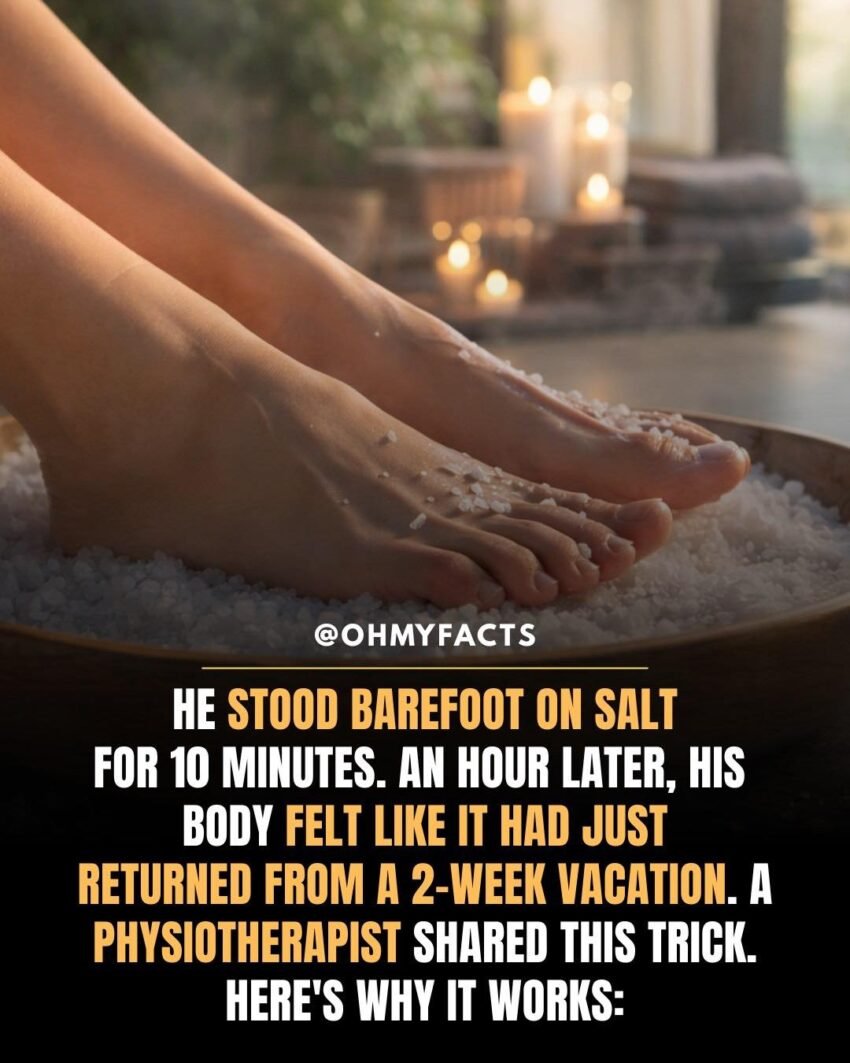
Salt Grounding Exposed: The Truth Behind the Trend and What Actually Calms Your Nervous System
Is salt grounding real or just hype? Explore the science, risks, benefits, and proven ways to calm your nervous system effectively.
When Wellness Trends Sound Too Good to Be True
If you spend any time online, you’ve probably seen it:
People placing salt under their feet, sleeping on salt beds, or walking barefoot on salt crystals claiming it “resets the nervous system.”
The trend—often called salt grounding—is being marketed as a way to reduce stress, improve sleep, and balance energy.
But here’s the real question:
Does it actually work, or are we mistaking relaxation rituals for science?
Let’s break it down clearly, without hype or dismissal—just what we know, what we don’t, and what actually helps calm your nervous system.
What Is “Salt Grounding”?
Salt grounding typically refers to practices like:
- Walking barefoot on Himalayan salt
- Sleeping on salt mats or salt beds
- Placing salt under the feet during relaxation
- Combining salt exposure with meditation or breathing exercises
The idea is that salt somehow “absorbs negative energy” or “rebalances electrical signals in the body.”
But from a scientific standpoint, this claim is where things get complicated.
What Science Actually Says
There is currently no strong clinical evidence that salt placed under the feet can directly:
- Reset the nervous system
- Remove “negative energy”
- Rebalance electrical signals in the body
Your nervous system—regulated by the brain and spinal cord—is far more complex than external mineral contact can influence.
Conditions like chronic stress, anxiety, or dysregulation involve biological systems such as:
- Hormones (cortisol)
- Autonomic nervous system activity
- Brain signaling pathways
Not surface-level mineral exposure.
Why People Still Feel Relaxed Doing It
Even though salt grounding lacks scientific backing, many people still report feeling calmer.
Here’s why that happens:
1. Placebo Effect (Powerful and Real)
When you believe something will calm you, your brain often responds accordingly.
2. Mindful Pause Effect
These rituals force you to:
- Slow down
- Focus on your body
- Step away from screens
That alone reduces stress.
3. Sensory Grounding
Feeling texture under your feet can activate awareness, similar to:
- Walking barefoot on grass
- Standing in warm water
- Touching cool surfaces
This is known as sensory grounding, and it can be calming.
The Nervous System: What Actually Calms It
To understand what works, we need to look at how your nervous system responds to stress.
When you’re overwhelmed, your body activates the fight-or-flight system. The goal is to bring it back into a rest-and-digest state.
Here’s what actually helps—based on established research.
1. Controlled Breathing Techniques
Slow breathing directly influences the vagus nerve, which helps regulate stress.
Simple Method:
- Inhale for 4 seconds
- Hold for 4 seconds
- Exhale for 6–8 seconds
Even 3–5 minutes can reduce stress response.
2. Physical Grounding (Real Version)
Unlike salt grounding, real grounding involves sensory input that calms the brain:
- Walking barefoot on natural surfaces
- Holding a cool object
- Pressing feet firmly into the floor
This helps the brain orient to the present moment.
3. Cold Exposure (Short and Safe)
Brief exposure to cold water can activate calming responses after the initial shock.
Examples:
- Splashing cold water on the face
- Cool showers
4. Movement
Gentle movement helps regulate stress hormones:
- Walking
- Stretching
- Yoga
Even 10–15 minutes can shift mood.
5. Sleep Regulation
Poor sleep is one of the strongest contributors to nervous system imbalance.
Focus on:
- Consistent sleep schedule
- Reduced late-night screen use
- Calm pre-sleep routine
6. Social Connection
Human connection is one of the most powerful stress regulators.
Talking to someone you trust can:
- Lower cortisol
- Improve emotional regulation
- Restore mental balance
What Salt Can Actually Do
To be fair, salt isn’t useless.
Mineral salts like Himalayan salt contain trace elements, but:
- They are not absorbed meaningfully through skin in grounding practices
- They do not “reprogram” the nervous system
However, salt can be useful in other contexts:
- Bath soaks (relaxation through warm water)
- Scrubs (skin sensation and relaxation effect)
- Cooking (electrolyte balance in moderation)
The Real Issue With Wellness Trends Like This
The problem isn’t that people want calm—everyone does.
The issue is when:
- Rituals are mistaken for treatment
- Marketing exaggerates effects
- Science gets replaced by storytelling
This can delay people from using methods that actually work.
Real-Life Scenario
A woman in California started using salt grounding mats every night hoping to reduce anxiety.
At first, she felt calmer—but over time realized:
- The real benefit came from disconnecting from her phone
- The quiet routine before bed
- The intentional breathing she started doing
When she removed the salt mat but kept the routine, the calming effect stayed.
That tells you something important.
Pros and Cons of Salt Grounding
| Pros | Cons |
|---|---|
| Encourages relaxation routine | No scientific proof of nervous system reset |
| May improve mindfulness | Can create false expectations |
| Sensory calming effect | Not a medical treatment |
| Easy to try | Overhyped online claims |
Common Mistakes People Make
- Believing it replaces therapy or medical care
- Expecting immediate “healing” effects
- Ignoring proven stress management tools
- Overpaying for marketed salt products
Expert Insight
Mental health professionals generally agree on one principle:
Rituals are helpful when they support real nervous system regulation—not when they replace it.
That means salt grounding might feel nice—but it should not replace:
- Breathing practices
- Physical activity
- Sleep hygiene
- Therapy when needed
2026 Wellness Trend Reality Check
We’re seeing a shift in wellness culture:
- From extreme claims → to evidence-based routines
- From “energy healing shortcuts” → to nervous system education
- From viral hacks → to sustainable habits
Salt grounding sits firmly in the “viral trend” category—not clinical practice.
Future Outlook
Expect wellness culture to move toward:
- Neuroscience-based stress tools
- Wearable stress tracking
- Breathwork and mindfulness integration
- More skepticism toward miracle-style claims
Frequently Asked Questions
1. Is salt grounding scientifically proven?
No. There is no clinical evidence supporting it.
2. Why do people feel calmer doing it?
Mostly due to relaxation rituals, focus, and placebo effects.
3. Can salt harm you in this practice?
Not usually, but it can irritate skin in some cases.
4. What actually calms the nervous system?
Breathing, sleep, movement, and mindfulness practices.
5. Is walking barefoot on salt the same as grounding?
No—natural grounding involves real environmental contact like soil or grass.
6. Is this trend safe?
Generally yes, but it shouldn’t replace proven methods.
7. Can it help anxiety?
It may help you relax, but it is not a treatment.
8. Should I try it?
If you’re curious, it’s fine—but treat it as a relaxation ritual, not therapy.
Action Checklist
- ✔ Focus on proven breathing techniques
- ✔ Add daily movement
- ✔ Improve sleep habits
- ✔ Reduce stress triggers
- ✔ Use grounding techniques that involve nature
- ✔ Treat wellness trends with healthy skepticism
Salt grounding isn’t harmful for most people—but it isn’t the nervous system reset it claims to be either.
The real calming power comes not from salt, but from slowing down, breathing, and reconnecting with your body in simple, consistent ways.
Final Thought
True calm doesn’t come from trending hacks.
It comes from understanding your body—and consistently giving it what it actually needs.
Your Turn
Have you tried salt grounding or similar wellness trends?
Share your experience below—what felt real, what didn’t, and what helped you most.