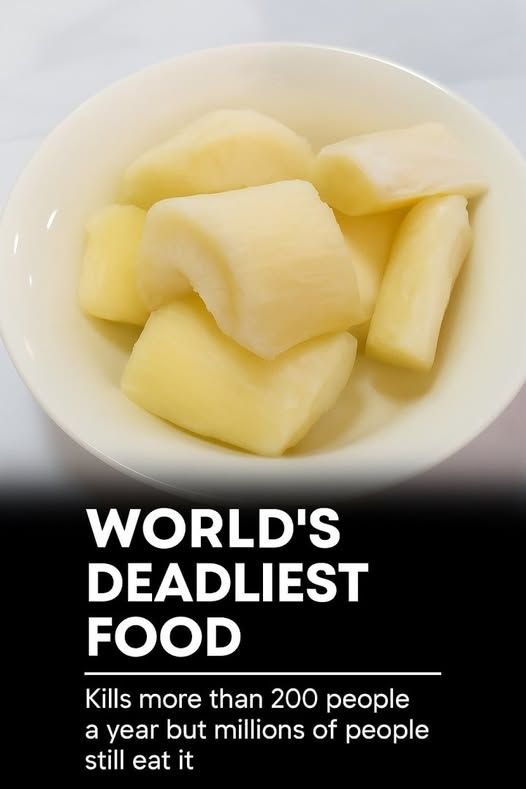
Over 200 People Die Each Year from the World’s Deadliest Food — Yet Nearly 50 Million Still Eat It Regularly
This deadly food kills over 200 people yearly, yet millions still eat it. Learn the risks, safety tips, and why it remains so popular in the U.S.
The Food That Can Kill — Yet People Still Crave It
Imagine sitting down at a restaurant, ordering something considered a delicacy… and knowing that one mistake in preparation could cost you your life.
It sounds extreme, but it’s real.
Every year, over 200 people die from eating pufferfish, widely regarded as the world’s deadliest food. And yet, nearly 50 million people globally continue to consume it, drawn by its reputation, flavor, and cultural prestige.
For U.S. readers, this raises a natural question:
Why would anyone risk eating something so dangerous — and could it happen here?
In this guide, you’ll discover:
- What makes this food so deadly
- Why it’s still eaten despite the risks
- How it’s regulated in the United States
- Real-world scenarios and safety insights
- What most people misunderstand about it
Let’s break it down — without the hype, just the facts.
What Is the “World’s Deadliest Food”?
The title belongs to one infamous dish: pufferfish, commonly known as fugu in Japanese cuisine.
This fish contains a toxin so powerful that even a tiny amount can be lethal.
What makes it dangerous?
The danger comes from a naturally occurring poison called tetrodotoxin.
- Found in the liver, ovaries, and skin
- 1,200 times more toxic than cyanide
- No widely available antidote
- Can cause paralysis within minutes
Even experienced chefs must undergo years of specialized training to prepare it safely.
Why This Matters in the United States
You might assume this is only relevant in Japan — but that’s no longer true.
Fugu is available in the U.S.
In select high-end restaurants across cities like:
- New York
- Los Angeles
- Las Vegas
Licensed chefs are allowed to serve imported, pre-cleaned fugu under strict regulations.
Why Americans are trying it
- Culinary curiosity
- Social media influence
- “Bucket list” experiences
- Fine dining culture
For many, it’s less about hunger — and more about the thrill of eating something dangerous.
How People Actually Die From It
The fatalities aren’t random — they follow a pattern.
Common causes of poisoning:
- Improper preparation
- Usually by unlicensed or amateur cooks
- Illegal sourcing
- Fish caught and prepared outside regulations
- Home cooking attempts
- Particularly risky and often fatal
- Misidentification of fish species
What happens in the body?
Within minutes to hours:
- Tingling in lips and tongue
- Dizziness and nausea
- Muscle paralysis
- Difficulty breathing
- Cardiac arrest (in severe cases)
The frightening part?
Victims often remain conscious while their body shuts down.
Why People Still Eat It
Logically, it doesn’t make sense.
But human behavior isn’t driven by logic alone.
Psychological drivers behind the risk
- Thrill-seeking behavior
Some people are wired to chase adrenaline — even through food. - Scarcity and exclusivity
The harder something is to access, the more desirable it becomes. - Cultural prestige
In Japan, fugu is associated with tradition and status. - Social signaling
“I tried something dangerous” becomes a story worth sharing.
This is a classic example of risk increasing perceived value.
Is It Safe to Eat in the U.S.?
Yes — when consumed legally and professionally prepared.
U.S. regulations are strict
- Only licensed importers can supply fugu
- Fish must be pre-cleaned in approved facilities
- Restaurants must meet federal and state standards
What that means for you
If you eat fugu at a reputable restaurant:
- The risk is extremely low
- The dangerous parts have already been removed
- It’s safer than most people assume
Still, it’s not something to take lightly.
Step-by-Step: How to Safely Experience It
If you’re considering trying it, here’s how to do it responsibly.
1. Choose a certified restaurant
Look for:
- Clear licensing
- Strong reputation
- Transparent sourcing
2. Avoid “underground” or unverified options
If it seems secretive or informal — walk away.
3. Ask questions
A reputable chef will gladly explain:
- Where the fish comes from
- How it’s prepared
- What safety measures are used
4. Start small
Try a small portion first, especially if it’s your first time.
5. Pay attention to your body
While rare, any unusual symptoms should be taken seriously.
Real-World Scenario: A First-Time Experience
A New York diner decides to try fugu at a Michelin-level restaurant.
- They book weeks in advance
- The chef explains the preparation process
- The fish is served in thin, delicate slices
The taste? Surprisingly subtle — almost mild.
The real experience isn’t flavor — it’s the awareness of what you’re eating.
Afterward, the diner describes it as:
“Less about danger, more about respect for the craft.”
Pros and Cons of Eating Pufferfish
Pros
- Unique culinary experience
- Cultural significance
- Prepared safely in regulated environments
- Memorable and story-worthy
Cons
- Potentially fatal if mishandled
- Expensive
- Not widely available
- Taste may not justify the hype for some
Common Mistakes to Avoid
Even informed people make risky decisions.
Avoid these at all costs:
- Trying to prepare it yourself
- Buying from unverified sources
- Assuming all restaurants are equally safe
- Treating it like a novelty without understanding the risk
The biggest mistake?
Underestimating how precise the preparation must be.
Expert Insights Most People Don’t Know
- The toxin isn’t produced by the fish itself
It comes from bacteria in its diet. - Not all pufferfish are equally toxic
Some species are far more dangerous than others. - Chefs train for years — not months
Certification is rigorous and failure rates are high. - The “tingling” sensation some people feel
Is often psychological — not actual poisoning.
2026 Update: Changing Trends
Interest in extreme dining experiences is growing in the U.S.
Current trends:
- Rise of experiential dining
- Social media-driven food challenges
- Increased regulation and transparency
However, safety standards are also improving, making it safer than ever when consumed legally.
Future Outlook
Will this trend continue?
Likely yes — but with a shift:
- More regulated availability
- Increased consumer education
- Less focus on danger, more on craftsmanship
The future of fugu in America isn’t about risk — it’s about controlled experience.
Frequently Asked Questions
1. Is pufferfish legal in the U.S.?
Yes, but only under strict regulations with licensed suppliers and restaurants.
2. How many people die from it each year?
Globally, over 200 deaths are reported annually, mostly from improper preparation.
3. Is it safe in restaurants?
In certified establishments, the risk is extremely low.
4. What does it taste like?
Mild, slightly sweet, and delicate — not overwhelmingly flavorful.
5. Why is it so expensive?
Due to strict regulation, limited supply, and specialized preparation.
6. Can you cook it at home?
No. This is strongly discouraged and often illegal.
7. What should I do if I feel symptoms?
Seek emergency medical attention immediately.
8. Is there an antidote?
There is no widely available antidote — treatment is supportive.
9. Why do chefs train so long?
Because even a small mistake can be fatal.
10. Is it worth trying?
That depends on your comfort with risk and interest in unique experiences.
Action Checklist: What to Remember
Before trying this “deadly delicacy,” keep this in mind:
- ✔ Only eat at licensed, reputable restaurants
- ✔ Never attempt to prepare it yourself
- ✔ Understand the risks before deciding
- ✔ Treat it as a serious culinary experience
- ✔ Ask questions — informed diners are safer diners
Conclusion: Risk, Curiosity, and Human Nature
The story of the world’s deadliest food isn’t just about danger.
It’s about why people are drawn to risk in the first place.
In a world where most experiences are safe and predictable, something like pufferfish stands out — not because it’s reckless, but because it represents precision, mastery, and controlled risk.
For U.S. diners, it’s less about survival — and more about understanding the craft behind something extraordinary.
Pufferfish remains one of the most dangerous foods on the planet — but when handled by professionals, it becomes a carefully controlled culinary experience rather than a gamble.
Respect the risk. Choose wisely. Stay informed.
If you found this guide helpful or surprising, share your thoughts below.
Would you try it — or is this one experience you’d skip?