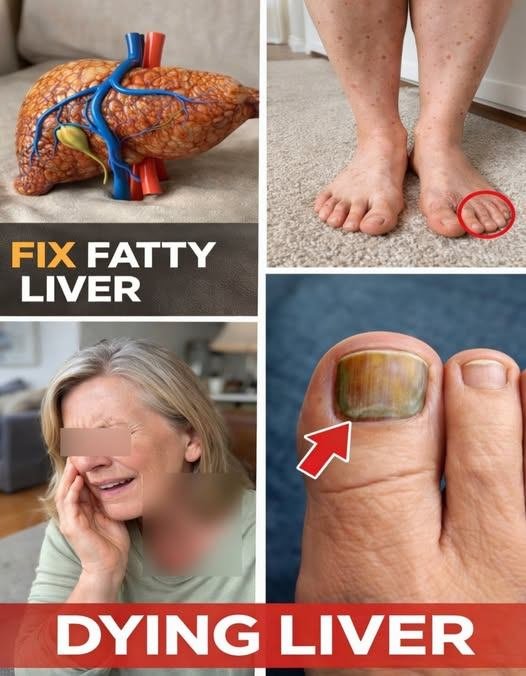
12 Silent Signs of Liver Failure You Must Catch Early (Before It’s Too Late!)
Liver failure often develops quietly. Learn 12 early warning signs you should never ignore and when to seek medical help fast.
The Liver Rarely “Complains” Until It’s Serious
The liver is one of the most hardworking organs in your body.
It filters toxins, processes nutrients, supports digestion, and helps regulate metabolism—quietly, every single day.
The concerning part?
The liver can lose a significant amount of function before obvious symptoms appear.
That’s why early warning signs are often subtle, vague, or mistaken for everyday fatigue or stress.
But catching these signs early can make a major difference in treatment and recovery.
In this guide, you’ll learn:
- 12 silent warning signs of liver failure
- Why these symptoms are often overlooked
- What causes liver damage
- When to seek urgent care
- Practical prevention steps
Understanding Liver Failure
Liver failure occurs when the liver loses its ability to function properly.
It can develop gradually (chronic) or suddenly (acute).
A key condition often linked to long-term damage is Liver Failure.
Early detection is critical because liver tissue has limited ability to regenerate in advanced stages.
12 Silent Signs of Liver Failure You Should Watch For
1. Persistent Fatigue That Doesn’t Improve
One of the earliest and most overlooked signs.
You may feel:
- Constant tiredness
- Low energy even after rest
- Reduced motivation
This happens because the liver struggles to process toxins efficiently.
2. Loss of Appetite
A gradual decrease in hunger may indicate liver dysfunction.
You might notice:
- Feeling full quickly
- Food aversion
- Unintentional eating reduction
3. Nausea or Mild Digestive Upset
The liver plays a key role in digestion.
When it slows down:
- Nausea becomes frequent
- Mild stomach discomfort appears
- Bloating may occur
4. Yellowing of Skin or Eyes
This is known as jaundice.
It occurs when bilirubin builds up in the blood.
Even mild yellowing should never be ignored.
5. Dark Urine
Urine may turn:
- Dark yellow
- Brownish
- Tea-colored
This often signals bile processing issues.
6. Pale or Clay-Colored Stools
Changes in stool color may indicate reduced bile flow.
This is an important digestive warning sign.
7. Itchy Skin Without Rash
A buildup of bile salts can cause:
- Persistent itching
- No visible skin irritation
- Worsening at night
8. Swelling in Legs or Abdomen
Fluid retention can occur due to reduced liver function.
You may notice:
- Swollen ankles
- Abdominal bloating
- Tight clothing feeling uncomfortable
9. Easy Bruising or Bleeding
The liver helps produce clotting proteins.
When it weakens:
- Bruises appear easily
- Minor cuts bleed longer
- Nosebleeds may occur
10. Confusion or Brain Fog
Toxin buildup can affect brain function.
Symptoms include:
- Difficulty concentrating
- Memory issues
- Mental fog
11. Sudden Weight Loss or Muscle Loss
Unexplained weight changes may indicate metabolic disruption.
12. Red Palms or Skin Changes
Some people develop:
- Redness in palms
- Spider-like blood vessels on skin
- Visible vascular changes
Comparison: Early vs Advanced Liver Damage
| Early Signs | Advanced Signs |
|---|---|
| Fatigue | Severe weakness |
| Mild nausea | Vomiting, confusion |
| Appetite loss | Jaundice, swelling |
| Skin changes | Bleeding disorders |
Common Causes of Liver Damage
Liver problems can develop due to:
- Excess alcohol use
- Viral infections (hepatitis)
- Fatty liver disease
- Certain medications
- Poor diet and metabolic issues
Why Early Detection Is Difficult
The liver is resilient.
It can function even when partially damaged, which delays obvious symptoms.
That’s why many people only notice issues when damage is already significant.
When You Should See a Doctor Immediately
Seek medical attention if you notice:
- Yellowing of skin or eyes
- Confusion or disorientation
- Swelling in abdomen or legs
- Persistent dark urine
- Severe fatigue with other symptoms
Prevention: How to Protect Your Liver
✔ Maintain a Healthy Diet
- Reduce processed foods
- Limit sugar and unhealthy fats
- Eat fiber-rich foods
✔ Avoid Excess Alcohol
Alcohol is one of the most common causes of liver damage.
✔ Exercise Regularly
Helps reduce fat buildup in the liver.
✔ Use Medications Responsibly
Avoid overuse of painkillers and unnecessary drugs.
✔ Get Regular Checkups
Especially if you have risk factors like obesity or diabetes.
Mini Scenario: A Silent Progression
A 52-year-old man experienced:
- Increasing fatigue
- Mild itching
- Slight loss of appetite
He ignored it for months, assuming stress was the cause.
Later tests revealed early-stage liver dysfunction.
With lifestyle changes and medical care:
- Symptoms improved
- Progression slowed
- Liver function stabilized
Early recognition made a major difference.
Frequently Asked Questions
1. Does liver failure happen suddenly?
It can be acute or develop slowly over time.
2. Is fatigue always a liver problem?
No, but persistent fatigue with other symptoms should be checked.
3. Can the liver heal itself?
Yes, in early stages it has strong regenerative ability.
4. Is jaundice always serious?
Yes, it should always be evaluated medically.
5. Can diet reverse liver damage?
Early fatty liver changes may improve with lifestyle changes.
6. Are symptoms always obvious?
No, many early signs are subtle.
7. Who is at higher risk?
People with alcohol use, obesity, diabetes, or hepatitis risk.
8. How often should liver health be checked?
Regular screening is recommended for at-risk individuals.
Action Checklist: Early Liver Health Awareness
✔ Do This
- Watch for persistent fatigue and appetite loss
- Monitor urine and stool color changes
- Get regular blood tests if at risk
- Maintain a healthy diet and weight
- Limit alcohol intake
❌ Avoid This
- Ignoring subtle long-term symptoms
- Self-diagnosing without tests
- Overusing medications
- Delaying medical evaluation
Conclusion: The Liver Speaks Quietly—Listen Early
Liver failure rarely begins with dramatic symptoms.
Instead, it starts with small, easy-to-ignore changes in energy, digestion, and skin appearance.
Recognizing these early signals gives you the best chance to protect long-term health.
Liver failure often develops silently, but early symptoms—if recognized—can help prevent serious and irreversible damage.
If this helped increase awareness, share it with someone who may benefit—or encourage a routine health check to stay ahead of silent liver problems.