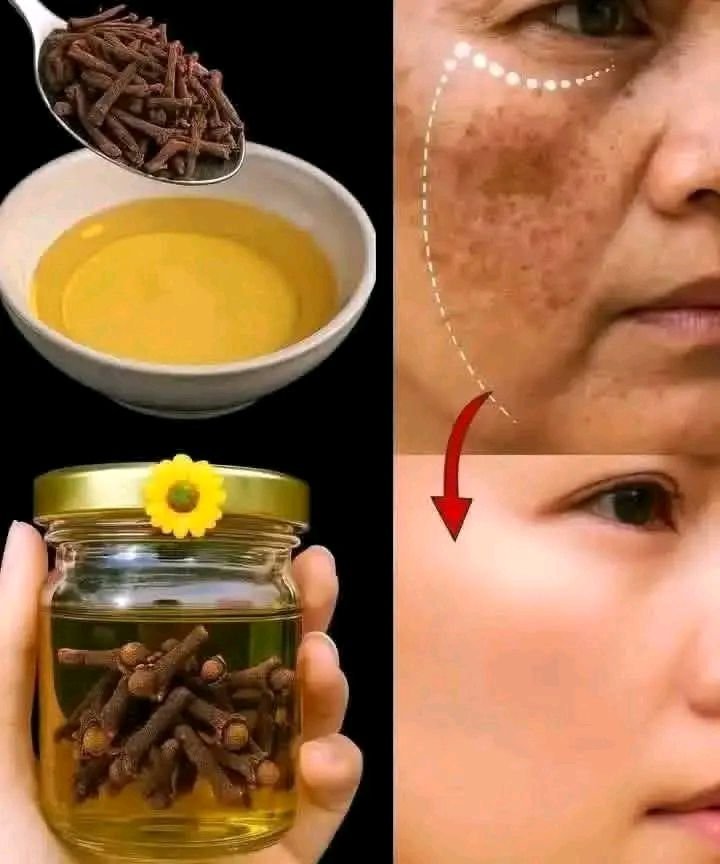
Combats Dementia, Inflammation, Arthritis Pain & Osteoporosis? Here’s What You Really Need to Know Before Skipping the Pharmacy
Can natural remedies combat dementia, inflammation, arthritis, and osteoporosis? Learn what works, what doesn’t, and how to protect your health safely.
Introduction: When Health Claims Sound Too Good to Ignore
You’ve probably seen bold headlines like this:
“Combats dementia, inflammation, arthritis pain, and osteoporosis. Don’t spend a fortune at the pharmacy.”
It’s an appealing message—especially in the United States, where prescription costs can be high and many adults are looking for natural alternatives.
But here’s the truth:
When one product claims to fix multiple serious conditions at once, it deserves careful scrutiny.
Dementia. Chronic inflammation. Arthritis. Osteoporosis.
These are complex medical conditions. Each has different causes, treatments, and risk factors.
In this in-depth guide, we’ll break down:
-
What these conditions actually involve
-
Whether natural remedies can help
-
What science supports
-
What’s misleading
-
How to reduce costs without risking your health
-
And smart, evidence-based strategies that truly work
No hype. No miracle promises. Just balanced, medically responsible information.
Let’s Define the Conditions Clearly
Before evaluating any claim, we need clarity.
1. Dementia
Dementia is not one disease—it’s a general term for impaired cognitive function severe enough to affect daily life.
The most common type is:
Alzheimer’s disease
Dementia involves:
-
Memory loss
-
Reasoning difficulties
-
Personality changes
-
Impaired daily functioning
There is currently no cure. Treatments aim to slow progression and manage symptoms.
2. Chronic Inflammation
Inflammation is the body’s natural immune response.
But chronic inflammation can contribute to:
-
Heart disease
-
Diabetes
-
Joint disorders
-
Neurodegenerative diseases
Reducing chronic inflammation is possible—but not through one magic ingredient.
3. Arthritis Pain
Arthritis refers to joint inflammation.
The two most common forms are:
-
Osteoarthritis
-
Rheumatoid arthritis
Symptoms may include:
-
Joint stiffness
-
Swelling
-
Pain
-
Reduced mobility
Management often includes medication, exercise, and lifestyle changes.
4. Osteoporosis
Osteoporosis is a bone-thinning condition that increases fracture risk.
It commonly affects:
-
Postmenopausal women
-
Older adults
-
Individuals with low calcium intake
Bone density gradually declines without intervention.
Can One Natural Remedy Treat All Four?
Short answer: No.
These conditions have different biological mechanisms.
A single herb, vitamin, or supplement cannot:
-
Reverse dementia
-
Cure autoimmune disease
-
Restore bone density completely
-
Eliminate chronic inflammation overnight
However…
Certain lifestyle habits and nutrients can support overall health across multiple systems.
That’s where the conversation becomes realistic—and useful.
What Actually Helps (Backed by Research)
Let’s explore evidence-based strategies that may support these conditions safely.
1. Anti-Inflammatory Nutrition
A whole-food diet rich in:
-
Leafy greens
-
Berries
-
Fatty fish
-
Olive oil
-
Nuts
-
Whole grains
Has been associated with lower inflammation markers.
The Mediterranean-style eating pattern is frequently studied for brain and heart health benefits.
This approach supports:
-
Cognitive health
-
Joint function
-
Bone strength
-
Cardiovascular health
Not a miracle—just consistent biology.
2. Omega-3 Fatty Acids
Omega-3s may help:
-
Reduce joint inflammation
-
Support cognitive function
-
Improve cardiovascular markers
They are found in:
-
Salmon
-
Sardines
-
Walnuts
-
Flaxseed
Some people use fish oil supplements under medical guidance.
3. Vitamin D & Bone Health
Vitamin D plays a key role in calcium absorption.
Low levels are linked to:
-
Increased fracture risk
-
Possible immune dysfunction
But supplementation should be based on blood testing—not guesswork.
4. Strength Training & Mobility Work
This is often overlooked.
Regular resistance training can:
-
Increase bone density
-
Reduce arthritis pain
-
Improve balance
-
Support brain health
Exercise remains one of the most powerful multi-system interventions available.
And it’s free.
5. Cognitive Engagement
To support brain health:
-
Read regularly
-
Learn new skills
-
Engage socially
-
Solve puzzles
-
Stay physically active
Brain stimulation appears protective in aging populations.
Why “Don’t Spend a Fortune at the Pharmacy” Is Misleading
Prescription medications are not perfect.
But they are:
-
Clinically tested
-
Dosage-controlled
-
Monitored for safety
-
Prescribed based on diagnosis
Skipping medically necessary treatment in favor of unproven remedies can lead to:
-
Faster disease progression
-
Fractures
-
Severe joint damage
-
Cognitive decline
Cost-saving should never compromise safety.
Realistic Ways to Reduce Healthcare Costs
Instead of abandoning medical care, consider:
-
Generic medications
-
Prescription discount programs
-
Health Savings Accounts (HSAs)
-
Community clinics
-
Preventive screenings
Prevention is often cheaper than emergency treatment.
Common Red Flags in Health Claims
Be cautious if you see:
-
“Cures multiple diseases instantly”
-
“Doctors don’t want you to know this”
-
“Works better than prescription drugs”
-
“No side effects”
-
“Guaranteed results”
Serious conditions require serious solutions.
What About Natural Supplements?
Some supplements show supportive—not curative—evidence:
| Supplement | Potential Support | Notes |
|---|---|---|
| Turmeric (curcumin) | Joint inflammation | Needs proper formulation |
| Magnesium | Muscle and nerve function | Dose-dependent |
| Calcium | Bone health | Should be balanced |
| Vitamin K2 | Bone metabolism | Emerging research |
| Resveratrol | Antioxidant activity | Limited human data |
Always discuss supplements with your healthcare provider.
Especially if you take medications.
Common Mistakes People Make
1. Stopping Medication Without Supervision
This can worsen symptoms rapidly.
2. Relying on Social Media Advice
Not all influencers are medically trained.
3. Overdosing on Supplements
More is not better.
4. Ignoring Lifestyle Foundations
No pill replaces:
-
Sleep
-
Nutrition
-
Exercise
-
Stress management
Frequently Asked Questions
1. Can natural remedies reverse dementia?
No. They may support brain health but cannot reverse established dementia.
2. Can inflammation be eliminated completely?
Inflammation is a normal body function. The goal is balance, not elimination.
3. Can arthritis be cured naturally?
Arthritis can be managed but not cured in most cases.
4. Can osteoporosis be reversed?
Bone density can improve with treatment and strength training, but full reversal is rare.
5. Is it safe to stop arthritis medication if I feel better?
No. Always consult your physician before changing treatment.
6. Are pharmacy medications always necessary?
Not always—but many conditions require them for safety and prevention.
7. Can diet alone fix these conditions?
Diet supports health but typically works best alongside medical care.
8. What’s the most powerful anti-inflammatory habit?
Consistent exercise combined with a whole-food diet.
The Bigger Truth: Health Is Layered, Not Magical
Dementia, arthritis, osteoporosis, and chronic inflammation develop over years.
They improve the same way:
Gradually.
Through layered habits.
Through evidence-based care.
Through consistent action.
Not through a single miracle remedy.
Final Thoughts: Save Money Wisely—Not Recklessly
Yes, healthcare costs in America can be frustrating.
Yes, prevention matters.
Yes, natural strategies can support your health.
But no supplement replaces professional diagnosis and treatment for serious medical conditions.
The smartest approach combines:
-
Medical guidance
-
Smart lifestyle choices
-
Cost-conscious strategies
-
Realistic expectations
That’s how you protect both your wallet—and your long-term health.
Your Turn
Have you explored natural strategies alongside medical treatment?
What changes made the biggest difference in your health?
Share your experience below—and consider sending this article to someone who needs a balanced, fact-based perspective on big health claims.
Informed decisions are powerful decisions.