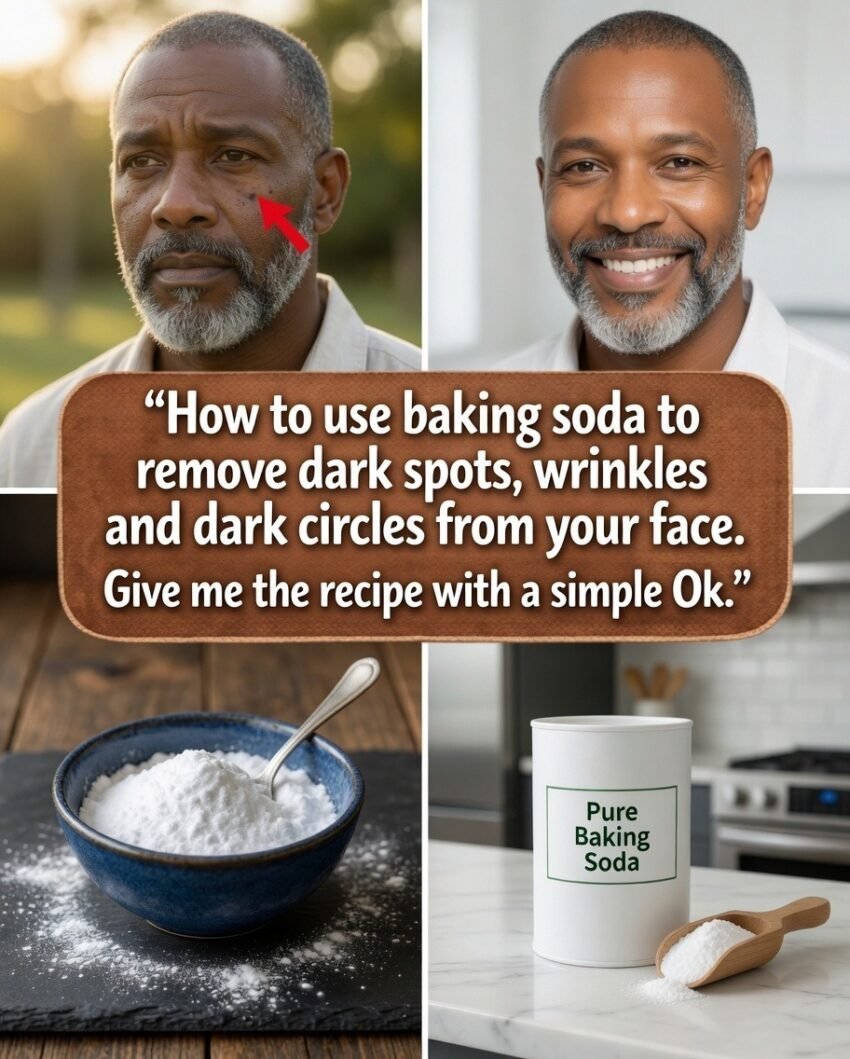
Baking Soda on the Face: 11 Benefits, Hidden Risks, and the Safest Ways to Use It
Discover the real benefits, risks, and safest ways to use baking soda on your face. Learn what works, what doesn’t, and how to protect your skin.
Have You Ever Tried a Kitchen Ingredient on Your Face?
It usually starts the same way.
You notice a stubborn pimple before an important event. Maybe your skin feels unusually oily. You search online for quick, inexpensive solutions and suddenly find countless people praising baking soda as a miracle skincare ingredient.
Some swear it cleared their acne.
Others claim it made their skin glow.
Then there are the horror stories—redness, irritation, and damaged skin barriers.
So what’s the truth?
Can baking soda actually improve your skin, or is it one of those DIY beauty trends that sounds better than it performs?
The answer is more nuanced than most articles suggest.
In this guide, you’ll discover the science behind baking soda for facial care, its potential benefits, the risks dermatologists worry about, and exactly how to use it as safely as possible if you decide to try it.
What Is Baking Soda and Why Do People Put It on Their Face?
Baking soda, also known as sodium bicarbonate, is a naturally alkaline compound commonly used for baking, cleaning, deodorizing, and various household tasks.
Because it has mild abrasive properties and can absorb oil, many people have experimented with using it as a skincare treatment.
The popularity of baking soda facial treatments largely comes from three factors:
- It’s inexpensive
- Most households already have it
- DIY beauty communities frequently promote it
At first glance, it seems logical.
If baking soda can remove stains from household surfaces, absorb odors, and gently exfoliate, perhaps it can help clear skin too.
But human skin is far more delicate than a kitchen countertop.
That’s where things become interesting.
Understanding Your Skin’s Natural Protective Barrier
Before discussing benefits, it’s important to understand how skin works.
Healthy skin maintains a slightly acidic pH, typically between 4.5 and 5.5. This acidic environment helps:
- Prevent harmful bacteria growth
- Support beneficial microorganisms
- Maintain moisture balance
- Protect against irritation
- Strengthen the skin barrier
Baking soda has a pH of approximately 8 to 9.
That difference may seem small, but it’s significant.
Applying highly alkaline substances to the face can temporarily disrupt the skin’s natural balance, which explains why some people experience irritation after repeated use.
This doesn’t mean baking soda is automatically harmful for everyone. It simply means understanding the tradeoffs is essential.
Potential Benefits of Baking Soda on the Face
Let’s separate evidence-based possibilities from internet myths.
1. May Help Remove Excess Oil
One reason people like baking soda is its ability to absorb oils.
Individuals with very oily skin sometimes notice a temporarily cleaner, less shiny appearance after using a baking soda paste.
This can make skin feel refreshed and less greasy for several hours.
However, there’s a catch.
Over-drying the skin may trigger increased oil production later, creating a cycle that defeats the original purpose.
Best for:
- Occasional oil control
- Very oily skin types
Not ideal for:
- Dry skin
- Sensitive skin
2. Provides Physical Exfoliation
Dead skin cells naturally accumulate on the skin’s surface.
When mixed with water, baking soda forms a slightly gritty paste that can physically remove some of these cells.
Potential benefits include:
- Smoother texture
- Brighter appearance
- Temporary reduction in dullness
- Improved makeup application
Unlike chemical exfoliants such as glycolic acid or lactic acid, baking soda works through friction.
That means technique matters significantly.
Too much scrubbing can create microscopic skin damage.
3. May Improve the Appearance of Blackheads
Blackheads form when pores become clogged with oil and dead skin cells.
By exfoliating the skin surface and helping remove debris, baking soda may temporarily reduce the appearance of some blackheads.
Many people report smoother-looking pores after occasional use.
However, baking soda does not address the underlying causes of blackheads, including excess sebum production and pore congestion.
For long-term results, ingredients such as salicylic acid generally offer more targeted support.
4. Can Act as a Temporary Spot Treatment
Some individuals use small amounts of baking soda directly on isolated pimples.
The theory is that its drying properties may reduce the appearance of inflamed blemishes.
In certain cases, a pimple may appear smaller after treatment.
The downside is that excessive drying can also increase redness and irritation.
For this reason, spot treatment is generally safer than applying baking soda across the entire face.
5. May Leave Skin Feeling Softer
When dead skin cells are removed, skin often feels smoother.
This immediate tactile improvement is one reason DIY baking soda masks remain popular.
People frequently mistake this temporary softness for long-term skin improvement.
While the sensation is real, it doesn’t necessarily indicate healthier skin underneath.
6. Budget-Friendly Skincare Option
Let’s be honest.
One of baking soda’s biggest attractions is affordability.
A box costs only a few dollars and lasts for months.
For people exploring low-cost skincare alternatives, baking soda seems appealing compared with expensive exfoliators and masks.
Cost alone, however, shouldn’t determine what goes on your face.
Skin health is often more about suitability than price.
7. Simple and Accessible
No special equipment.
No complicated routines.
No subscription products.
The convenience factor explains much of baking soda’s ongoing popularity in DIY skincare circles.
8. May Help Remove Surface Buildup
Environmental pollutants, excess oil, sweat, and makeup residue can accumulate throughout the day.
A gentle baking soda treatment may help remove some surface buildup, creating a cleaner-feeling complexion.
Again, moderation is crucial.
Frequent use can cause more problems than it solves.
9. Potential Temporary Brightening Effect
Many users describe their skin as looking brighter after exfoliation.
This effect often comes from removing dull surface cells rather than actual skin-lightening.
The result can be a fresher appearance, especially when skin has been looking tired or rough.
10. May Enhance Product Absorption
When dead skin cells are removed, certain skincare products may penetrate more effectively.
This benefit isn’t unique to baking soda.
Any safe exfoliation method can create similar results.
11. Can Be Incorporated Into DIY Face Masks
Some people combine baking soda with ingredients like honey or oatmeal to create homemade masks.
The added ingredients may help offset some drying effects while providing moisturizing or soothing properties.
Still, natural ingredients aren’t automatically safer.
Patch testing remains essential.
The Biggest Risks of Using Baking Soda on Your Face
Here’s where many online discussions fall short.
The benefits often receive attention, while the risks get overlooked.
Skin Barrier Damage
Dermatologists frequently express concern about the impact of baking soda’s alkalinity on the skin barrier.
Repeated disruption can lead to:
- Dryness
- Flaking
- Increased sensitivity
- Tightness
- Irritation
A damaged barrier can make skin more vulnerable to environmental stressors.
Redness and Inflammation
Sensitive skin types may react quickly.
Symptoms can include:
- Burning
- Stinging
- Itching
- Red patches
Even individuals without sensitive skin can develop irritation if baking soda is used too often.
Increased Breakouts
This sounds counterintuitive.
People often use baking soda to fight acne, yet some users report more breakouts afterward.
Why?
Because irritated skin can become inflamed, and inflammation often contributes to acne-related concerns.
Excessive Dryness
One of the most common complaints is severe dryness.
The face may initially feel clean, but repeated use can strip away protective oils needed for healthy skin function.
Uneven Skin Tone
Aggressive scrubbing can trigger post-inflammatory discoloration in some individuals, particularly those with medium to deeper skin tones.
This risk is rarely mentioned in DIY skincare discussions.
Delayed Healing
If you have active acne lesions, cuts, or irritated skin, baking soda may interfere with healing and increase discomfort.
Who Should Avoid Baking Soda on Their Face?
Certain individuals should be especially cautious.
Avoid facial use if you have:
- Eczema
- Rosacea
- Psoriasis
- Sensitive skin
- Extremely dry skin
- Open wounds
- Active skin infections
- Recently performed chemical peels
- Recent laser treatments
If you’re under the care of a dermatologist, consult them before experimenting with DIY treatments.
How to Use Baking Soda on Your Face Safely
If you decide to try baking soda despite the potential drawbacks, proper technique can reduce risk.
Step 1: Perform a Patch Test
Never apply directly to your entire face first.
Mix:
- 1 teaspoon baking soda
- A few drops of water
Apply to a small area near the jawline.
Wait 24 hours.
If irritation develops, don’t proceed.
Step 2: Create a Gentle Paste
Use:
- 1 teaspoon baking soda
- 2 teaspoons water
The consistency should be soft rather than gritty.
Avoid thick, abrasive mixtures.
Step 3: Apply Lightly
Use clean fingertips.
Spread gently over targeted areas.
Avoid:
- Eyes
- Lips
- Broken skin
- Inflamed acne lesions
Do not scrub aggressively.
Step 4: Limit Contact Time
Leave on for approximately 30 seconds to 1 minute.
Many DIY recipes recommend longer periods, but shorter exposure reduces irritation risk.
Step 5: Rinse Thoroughly
Use lukewarm water.
Pat dry with a clean towel.
Avoid rubbing.
Step 6: Moisturize Immediately
Apply a fragrance-free moisturizer afterward.
This helps support the skin barrier and minimize dryness.
Step 7: Use Sparingly
Once every two weeks is generally safer than daily or weekly use.
More frequent use increases the likelihood of irritation.
Comparison: Baking Soda vs. Popular Skincare Alternatives
| Feature | Baking Soda | Salicylic Acid | Lactic Acid | Gentle Facial Scrub |
|---|---|---|---|---|
| Cost | Very low | Moderate | Moderate | Moderate |
| Exfoliation | Physical | Chemical | Chemical | Physical |
| Acne Support | Limited | Strong | Moderate | Limited |
| Irritation Risk | Moderate to High | Moderate | Low to Moderate | Moderate |
| Skin Barrier Friendly | Less friendly | More targeted | Generally better | Depends on formula |
| Dermatologist Preference | Low | High | High | Moderate |
For most people, professionally formulated skincare products offer a better balance between effectiveness and safety.
Common Mistakes People Make
Using It Daily
This is perhaps the biggest mistake.
Skin rarely benefits from such frequent exposure.
Better approach:
Use sparingly and monitor skin response.
Scrubbing Too Hard
More pressure does not equal better results.
Better approach:
Use gentle circular motions.
Leaving It On Too Long
Extended contact increases irritation risk.
Better approach:
Keep treatment brief.
Ignoring Dryness
Some users mistake dryness for effectiveness.
Better approach:
Pay attention to signs of barrier damage.
Combining With Harsh Ingredients
Mixing baking soda with strong acids, retinoids, or aggressive treatments can overwhelm the skin.
Better approach:
Keep routines simple.
A Real-World Scenario
Sarah, a 29-year-old marketing professional from Chicago, struggled with occasional oily skin and blackheads.
After reading online recommendations, she began using a baking soda scrub three times per week.
Initially, her skin looked smoother.
Within a month, however, she noticed redness around her nose, increased sensitivity, and persistent dryness.
After reducing use and switching to a gentle salicylic acid cleanser recommended by her dermatologist, her skin gradually improved.
Her experience reflects a pattern many people encounter.
Short-term benefits can sometimes mask longer-term irritation.
Expert Insights Most Articles Miss
Immediate Results Aren’t Always Positive Results
Skin often feels smoother after aggressive exfoliation.
That sensation can create the illusion of improvement even when the skin barrier is being compromised.
Oily Skin Can Become More Oily
Stripping too much oil may trigger compensatory oil production.
This creates a frustrating cycle many people mistake for persistent skin problems.
Patch Testing Matters More Than Ingredients Lists
The same ingredient can produce dramatically different results depending on skin type.
What works for one person may irritate another.
The Future of Skincare Is Barrier Protection
One major trend shaping skincare in 2026 is the growing focus on barrier health.
Dermatologists increasingly emphasize maintaining the skin microbiome and protective barrier rather than aggressively stripping oil or exfoliating excessively.
This shift has led many experts to favor gentler alternatives over DIY alkaline treatments.
Are There Better Alternatives?
For most people, yes.
Popular options include:
- Salicylic acid for acne-prone skin
- Lactic acid for gentle exfoliation
- Polyhydroxy acids (PHAs) for sensitive skin
- Enzyme exfoliants
- Oatmeal-based masks
- Gentle facial cleansers
Organizations such as the American Academy of Dermatology and experts affiliated with institutions like Harvard Medical School generally emphasize evidence-based skincare and protecting the skin barrier rather than relying on harsh DIY remedies.
Frequently Asked Questions
Is baking soda safe for facial skin?
Occasional use may be tolerated by some people, but frequent use can disrupt the skin barrier and cause irritation.
Can baking soda remove acne permanently?
No. Acne involves multiple factors including hormones, oil production, inflammation, and bacteria. Baking soda does not permanently solve these underlying causes.
Does baking soda lighten skin?
Not directly. Any brightening effect usually comes from removing surface dead skin cells rather than changing skin pigmentation.
How often should I use baking soda on my face?
If used at all, infrequent use is generally safer. Many skincare professionals recommend avoiding regular facial use.
Can I leave baking soda on overnight?
No. Leaving baking soda on the skin overnight significantly increases the risk of irritation and dryness.
Is baking soda good for blackheads?
It may temporarily improve the appearance of blackheads through exfoliation, but it does not address the root causes.
Can baking soda shrink pores?
Pore size is largely determined by genetics and skin structure. Baking soda cannot permanently shrink pores.
Is baking soda safe for sensitive skin?
Generally, sensitive skin types are more likely to experience irritation and should avoid it.
Can teenagers use baking soda for acne?
Teenagers often have active, changing skin. Consulting a dermatologist or using proven acne treatments is usually a better approach.
What should I do if baking soda irritates my skin?
Stop using it immediately, rinse thoroughly, moisturize, and seek professional advice if symptoms persist.
Quick Action Checklist
Do This ✓
- Patch test first
- Use only occasionally
- Apply gently
- Keep contact time short
- Moisturize afterward
- Monitor for irritation
- Prioritize skin barrier health
Avoid This ✗
- Daily use
- Aggressive scrubbing
- Overnight application
- Using on broken skin
- Combining with harsh treatments
- Ignoring redness or burning
- Assuming natural means safe
Final Thoughts
Baking soda occupies a strange place in skincare.
It’s inexpensive, accessible, and capable of producing some noticeable short-term effects. For certain individuals, occasional use may help remove excess oil, exfoliate surface skin, and improve texture temporarily.
But those potential benefits come with real risks.
The skin barrier is delicate, and repeated exposure to an alkaline ingredient like baking soda can lead to dryness, irritation, inflammation, and increased sensitivity.
For most people, modern skincare ingredients offer safer and more effective alternatives. If you choose to experiment with baking soda, moderation, patch testing, and careful observation are essential.
Healthy skin is rarely about finding a miracle ingredient. More often, it’s about consistency, balance, and respecting the biology of your skin.
Baking soda can provide temporary cosmetic benefits, but its risks often outweigh its rewards. Use it cautiously, sparingly, and only after understanding how your skin responds.
Have you ever tried baking soda on your face? Share your experience, pass this guide along to someone considering DIY skincare, and explore more evidence-based skincare insights to make smarter decisions for your skin.