Leukemia Explained: 12 Critical Facts About Causes, Symptoms, and Prevention Everyone Should Know
Learn the causes, symptoms, risk factors, and prevention strategies for leukemia. Discover practical ways to protect your health and recognize warning signs early.
Few words create as much fear as “cancer.” Yet many people know surprisingly little about leukemia until it affects someone they love.
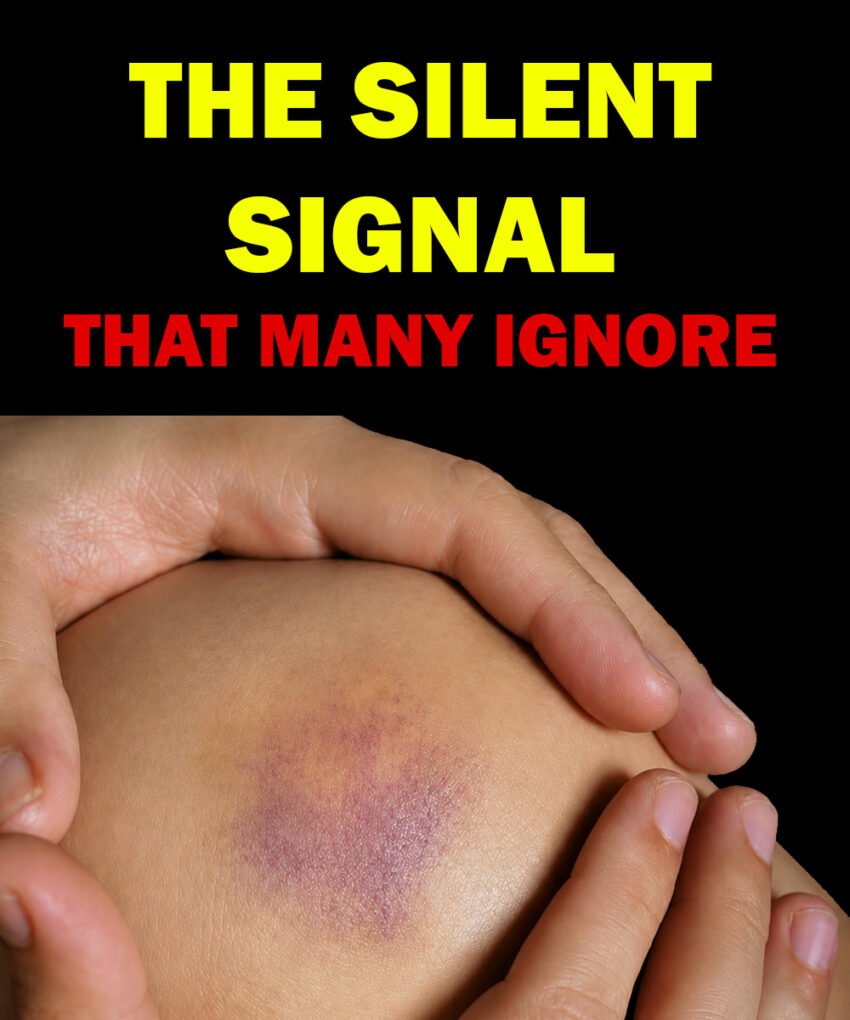
Unlike cancers that begin in a specific organ, leukemia starts in the blood-forming tissues of the body and can quietly develop before obvious symptoms appear. A lingering sense of fatigue, frequent infections, unexplained bruising, or persistent weakness may seem harmless at first. In some cases, they become the earliest clues of something far more serious.
The good news is that medical understanding of leukemia has advanced dramatically. Earlier diagnosis, improved treatments, and greater awareness have helped many patients live longer and healthier lives than ever before.
In this comprehensive guide, you’ll learn what leukemia is, what causes it, the symptoms to watch for, practical prevention strategies, current medical advances, and what the future may hold for leukemia care.
What Is Leukemia?
Leukemia is a type of cancer that affects the body’s blood-forming tissues, primarily the bone marrow and blood.
Under normal circumstances, bone marrow produces healthy blood cells that perform essential functions:
- Red blood cells carry oxygen
- White blood cells fight infections
- Platelets help blood clot
When leukemia develops, the bone marrow begins producing abnormal white blood cells. These cancerous cells multiply rapidly and crowd out healthy blood cells, disrupting normal bodily functions.
Over time, this imbalance can weaken the immune system, reduce oxygen delivery throughout the body, and impair the body’s ability to stop bleeding.
Why Leukemia Matters More Than Many People Realize
Leukemia is one of the most common cancers affecting both adults and children in the United States.
While some forms progress slowly and remain manageable for years, others can become aggressive within weeks or months.
Ignoring early symptoms can delay diagnosis, making treatment more challenging. Early detection often improves treatment options and outcomes.
Another reason leukemia deserves attention is that its symptoms frequently resemble common illnesses such as flu, anemia, stress, or chronic fatigue. Many people dismiss warning signs until they become severe.
Understanding leukemia isn’t simply about recognizing a disease—it’s about recognizing when your body may be signaling that something isn’t right.
The Main Types of Leukemia
Leukemia is not a single disease. It includes several distinct forms.
Acute Lymphocytic Leukemia (ALL)
ALL develops quickly and affects immature lymphocytes, a type of white blood cell.
Key facts:
- Most common childhood leukemia
- Can also affect adults
- Requires prompt treatment
- Often responds well to modern therapies
Acute Myeloid Leukemia (AML)
AML progresses rapidly and originates in myeloid cells.
Characteristics include:
- Common among older adults
- Requires immediate medical attention
- May cause severe symptoms quickly
- Treatment often involves chemotherapy and targeted therapies
Chronic Lymphocytic Leukemia (CLL)
CLL progresses more slowly than acute leukemias.
Important features:
- Most common adult leukemia in the U.S.
- Often discovered during routine blood tests
- Some patients may not need immediate treatment
- Can remain stable for years
Chronic Myeloid Leukemia (CML)
CML develops gradually and is linked to a specific genetic abnormality known as the Philadelphia chromosome.
Modern targeted medications have dramatically improved outcomes for many patients with CML.
What Causes Leukemia?
One of the most common questions people ask is simple:
“What causes leukemia?”
The honest answer is that researchers still don’t know exactly why one person develops leukemia while another does not.
However, several risk factors have been strongly associated with the disease.
Genetic Mutations
Leukemia begins when DNA changes occur inside blood-forming cells.
These mutations can:
- Disrupt normal cell growth
- Prevent damaged cells from dying
- Trigger uncontrolled cell division
Most leukemia-related mutations occur during a person’s lifetime rather than being inherited.
Radiation Exposure
High levels of radiation exposure have been linked to increased leukemia risk.
Examples include:
- Nuclear accidents
- Certain radiation treatments
- Occupational exposure in rare circumstances
The risk associated with routine medical imaging remains relatively low compared with the benefits of appropriate medical care.
Exposure to Certain Chemicals
Research has identified connections between leukemia and prolonged exposure to chemicals such as benzene.
Benzene may be found in:
- Industrial solvents
- Certain manufacturing environments
- Tobacco smoke
- Some petroleum products
Workers in specific industries often follow strict safety regulations to reduce exposure.
Smoking
Smoking remains one of the most significant modifiable risk factors.
Tobacco smoke contains numerous cancer-causing substances that can damage DNA and increase the likelihood of leukemia development.
Previous Cancer Treatments
Some individuals develop secondary leukemia years after receiving:
- Chemotherapy
- Radiation therapy
Although this risk exists, cancer treatments save countless lives and are prescribed when benefits outweigh risks.
Certain Genetic Disorders
Several inherited conditions may increase leukemia risk, including:
- Down syndrome
- Fanconi anemia
- Bloom syndrome
- Li-Fraumeni syndrome
Having one of these conditions does not guarantee leukemia development but may increase susceptibility.
Early Symptoms of Leukemia
The symptoms of leukemia often develop gradually, making them easy to overlook.
Persistent Fatigue
One of the earliest and most common signs is overwhelming tiredness that doesn’t improve with rest.
Many patients describe feeling exhausted despite getting adequate sleep.
Frequent Infections
Because abnormal white blood cells don’t function properly, the immune system becomes less effective.
This can result in:
- Recurrent colds
- Frequent respiratory infections
- Slow recovery from illnesses
Unexplained Bruising and Bleeding
Low platelet counts may lead to:
- Easy bruising
- Frequent nosebleeds
- Bleeding gums
- Prolonged bleeding from minor cuts
Pale Skin
Reduced red blood cell production may cause anemia, resulting in:
- Pale complexion
- Weakness
- Shortness of breath
Fever and Night Sweats
Many leukemia patients report:
- Persistent low-grade fever
- Excessive sweating during sleep
- Chills without obvious infection
Bone and Joint Pain
Because leukemia originates in bone marrow, pain may occur in:
- Long bones
- Hips
- Joints
- Back
Swollen Lymph Nodes
Enlarged lymph nodes may appear in:
- Neck
- Underarms
- Groin
These swollen areas are often painless.
Unintentional Weight Loss
Unexpected weight loss without changes in diet or exercise should always be evaluated by a healthcare professional.
When Should You See a Doctor?
Many leukemia symptoms overlap with common health conditions.
However, medical evaluation is especially important if symptoms:
- Persist for several weeks
- Continue worsening
- Occur together
- Interfere with daily life
Seek medical attention promptly if you experience:
- Unexplained bleeding
- Severe fatigue
- Persistent fever
- Frequent infections
- Significant weight loss
Early diagnosis can make a meaningful difference.
How Leukemia Is Diagnosed
Diagnosis typically involves multiple steps.
Medical History and Physical Examination
A physician reviews symptoms, family history, and potential risk factors.
Blood Tests
Complete blood counts often reveal abnormalities involving:
- White blood cells
- Red blood cells
- Platelets
Bone Marrow Testing
A bone marrow biopsy remains one of the most important diagnostic tools.
It helps determine:
- Leukemia type
- Disease extent
- Treatment planning
Genetic and Molecular Testing
Modern medicine increasingly uses genetic analysis to identify specific mutations and guide personalized treatment decisions.
Can Leukemia Be Prevented?
This is perhaps the most important question for many readers.
Unfortunately, no method can completely prevent leukemia.
However, several evidence-based strategies may help reduce risk.
Avoid Smoking
Smoking cessation is among the most powerful preventive actions available.
Benefits extend far beyond leukemia prevention, including reduced risks of:
- Lung cancer
- Heart disease
- Stroke
- Other cancers
Limit Exposure to Harmful Chemicals
If you work with industrial chemicals:
- Follow workplace safety guidelines
- Use protective equipment
- Ensure adequate ventilation
- Follow exposure regulations
Maintain a Healthy Lifestyle
While healthy living cannot guarantee prevention, it supports immune function and overall health.
Focus on:
- Regular physical activity
- Nutritious eating habits
- Adequate sleep
- Stress management
Minimize Unnecessary Radiation Exposure
Medical imaging should always be guided by healthcare professionals.
Avoid unnecessary exposure while recognizing that medically necessary imaging often provides critical health benefits.
Know Your Family History
Awareness of inherited health conditions can help guide conversations with healthcare providers and identify potential monitoring needs.
Step-by-Step Action Plan to Lower Your Risk
Step 1: Eliminate Tobacco Exposure
- Quit smoking
- Avoid secondhand smoke
- Seek support programs if needed
Step 2: Improve Daily Nutrition
Prioritize:
- Fruits
- Vegetables
- Whole grains
- Lean proteins
- Healthy fats
Limit highly processed foods when possible.
Step 3: Exercise Consistently
Aim for:
- At least 150 minutes of moderate activity weekly
- Strength training twice weekly
Consistency matters more than intensity.
Step 4: Protect Yourself at Work
If exposed to chemicals:
- Wear protective gear
- Follow safety procedures
- Attend workplace training
Step 5: Schedule Routine Health Checkups
Regular screenings can identify blood abnormalities before symptoms become severe.
Real-World Scenario: Why Early Attention Matters
Consider a hypothetical example.
Michael, a 47-year-old office manager from Ohio, noticed increasing fatigue over several months. He assumed work stress was responsible. Later, he began experiencing frequent infections and unexplained bruises.
After finally visiting his doctor, routine blood tests revealed abnormalities that led to further evaluation and a leukemia diagnosis.
Because the disease was identified before major complications developed, treatment began promptly, improving his outlook significantly.
Stories like Michael’s highlight a crucial lesson: persistent symptoms deserve attention.
Prevention Strategies: What Works and What Doesn’t
| Strategy | Evidence Level | Potential Benefit |
|---|---|---|
| Avoid smoking | Strong | Reduces leukemia risk |
| Chemical safety measures | Strong | Lowers occupational exposure |
| Healthy diet | Moderate | Supports overall health |
| Regular exercise | Moderate | Improves immune function |
| Routine checkups | Strong | Helps early detection |
| Miracle supplements | Weak | No proven prevention benefit |
| Detox cleanses | Weak | No evidence of leukemia prevention |
Pros and Cons of Current Leukemia Treatments
Pros
- Improved survival rates
- More targeted therapies
- Better precision medicine approaches
- Enhanced supportive care
- Increasing treatment personalization
Cons
- Potential side effects
- High treatment costs
- Emotional stress for patients and families
- Some treatments require long-term monitoring
- Not all patients respond equally
Common Mistakes People Make
Ignoring Persistent Symptoms
Many patients wait too long before seeking medical evaluation.
Fix: Track symptoms and consult a healthcare provider if they persist.
Assuming Leukemia Only Affects Children
While childhood leukemia receives significant attention, many forms occur primarily in adults.
Fix: Understand that risk exists across age groups.
Trusting Unproven Alternative Cures
The internet is full of unsupported claims.
Fix: Follow evidence-based medical guidance.
Skipping Routine Health Exams
Some leukemias are discovered through routine blood work before symptoms become severe.
Fix: Maintain regular preventive care.
Expert Insights Most People Never Hear
One of the biggest misconceptions about leukemia is that prevention depends on a single action.
In reality, risk reduction is cumulative.
Small choices add up:
- Not smoking
- Managing workplace exposures
- Staying physically active
- Attending regular medical appointments
Another often-overlooked point is that early symptoms are frequently subtle rather than dramatic. Many patients recall feeling “not quite right” long before receiving a diagnosis.
Listening to those signals matters.
What’s New in Leukemia Research in 2026?
Leukemia treatment continues evolving rapidly.
Several exciting developments are shaping the future:
Precision Medicine
Researchers increasingly tailor treatments based on specific genetic mutations.
This approach may improve effectiveness while reducing unnecessary side effects.
Advanced Immunotherapies
Immune-based treatments continue expanding, helping the body’s own defenses recognize and attack cancer cells more effectively.
Improved Genetic Testing
Faster and more accurate genetic profiling allows physicians to identify high-risk disease characteristics earlier.
Better Monitoring Technologies
Advanced blood testing techniques may improve disease detection, treatment tracking, and relapse monitoring.
Leading research institutions, including major academic cancer centers and organizations such as the National Cancer Institute, continue investing heavily in leukemia research.
The Future Outlook
The future of leukemia care is increasingly optimistic.
Experts anticipate:
- Earlier detection methods
- More personalized treatments
- Reduced treatment toxicity
- Improved long-term survival
- Enhanced quality of life for survivors
While leukemia remains a serious disease, advances in science continue shifting outcomes in a positive direction.
For many patients diagnosed today, treatment options are significantly better than they were even a decade ago.
Frequently Asked Questions
1. What is usually the first sign of leukemia?
Persistent fatigue is often among the earliest symptoms. Frequent infections, bruising, and unexplained weakness may also appear early.
2. Can leukemia be completely prevented?
No. There is no guaranteed method to prevent leukemia. However, avoiding smoking and limiting exposure to harmful chemicals may help reduce risk.
3. Is leukemia hereditary?
Most leukemia cases are not directly inherited. Certain genetic conditions can increase risk, but most patients have no strong family history.
4. Can healthy people develop leukemia?
Yes. Even individuals with healthy lifestyles can develop leukemia because many cases arise from genetic mutations that are not fully understood.
5. Is leukemia curable?
Some forms of leukemia can be cured, while others can be managed successfully for many years. Outcomes vary by leukemia type, age, and overall health.
6. Does leukemia always cause pain?
No. Some patients experience bone or joint pain, while others have little or no pain during early stages.
7. How is leukemia detected?
Diagnosis typically involves blood tests, bone marrow examination, and genetic testing.
8. Who is most at risk for leukemia?
Risk factors include older age, smoking, certain chemical exposures, previous cancer treatments, and specific genetic disorders.
9. Can children get leukemia?
Yes. Acute lymphocytic leukemia is one of the most common childhood cancers.
10. Are routine blood tests useful for detecting leukemia?
In some cases, yes. Abnormal blood counts discovered during routine testing can lead to early diagnosis.
Leukemia Prevention and Awareness Checklist
What To Do
✔ Avoid smoking and tobacco products
✔ Follow workplace chemical safety guidelines
✔ Eat a balanced, nutrient-rich diet
✔ Exercise regularly
✔ Get adequate sleep
✔ Attend routine medical checkups
✔ Monitor persistent symptoms
✔ Discuss family medical history with your doctor
✔ Seek medical advice for unusual bruising or infections
✔ Stay informed through reputable health sources
What To Avoid
✘ Ignoring ongoing fatigue
✘ Assuming symptoms will automatically disappear
✘ Relying on unproven “cancer cures”
✘ Skipping annual health evaluations
✘ Excessive exposure to hazardous chemicals
✘ Delaying medical attention when symptoms worsen
Conclusion
Leukemia is a complex disease that affects the blood and bone marrow, often developing quietly before noticeable symptoms appear. While researchers have not identified a guaranteed way to prevent it, understanding the known risk factors, recognizing early warning signs, and adopting healthier lifestyle habits can help reduce risk and improve the chances of early detection.
Awareness remains one of the most powerful tools available. Paying attention to persistent fatigue, unusual bruising, frequent infections, and unexplained health changes can make a meaningful difference. At the same time, advances in genetics, immunotherapy, and personalized medicine are creating new reasons for optimism.
The more informed you are today, the better prepared you’ll be to protect your health tomorrow.
Leukemia cannot always be prevented, but recognizing symptoms early, reducing known risk factors, and staying proactive about your health can significantly improve outcomes.
If you found this guide helpful, share it with someone who may benefit from it, leave a comment with your questions, and explore more evidence-based health resources to stay informed.