If You Have These 9 Symptoms in Your Feet, They Could Be Signs Your Body Is Trying to Tell You Something
Discover 9 foot symptoms you shouldn’t ignore, what they may mean, when to seek medical care, and how to keep your feet healthy.
Have you ever dismissed aching feet as simply the result of a long day?
While sore feet are often caused by standing too long, wearing uncomfortable shoes, or overexertion, your feet can also provide important clues about your overall health. Because they contain thousands of nerves, blood vessels, and joints, even subtle changes in your feet can sometimes reflect issues affecting circulation, nerves, skin, or other parts of the body.
Most foot symptoms are harmless and temporary. However, persistent or worsening changes deserve attention, especially when they’re accompanied by pain, swelling, numbness, or changes in skin color.
Here are nine foot symptoms that may signal it’s time to take a closer look at your health.
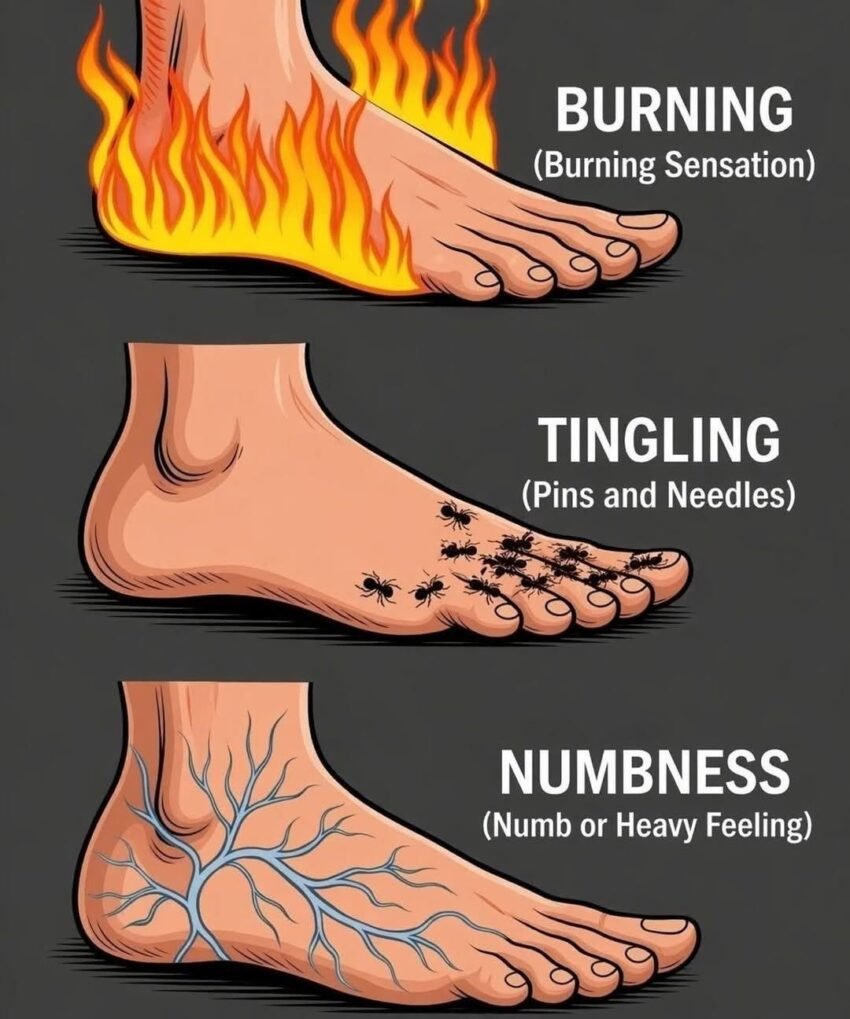
1. Persistent Numbness or Tingling
A “pins and needles” sensation after sitting in one position usually isn’t a concern. But ongoing numbness or tingling can indicate that nerves aren’t functioning normally.
Possible causes include:
- Peripheral neuropathy
- Diabetes
- Vitamin B12 deficiency
- Nerve compression
- Certain medications
If numbness becomes frequent, affects both feet, or interferes with walking, it’s worth discussing with a healthcare provider.
2. Swollen Feet or Ankles
Mild swelling after travel, exercise, or standing for long periods is common.
Swelling that doesn’t improve—or develops suddenly—may have several possible causes, including:
- Venous insufficiency
- Kidney problems
- Heart conditions
- Liver disease
- Certain medications
- Pregnancy
Seek urgent medical care if swelling is sudden, severe, affects only one leg, or occurs with chest pain or shortness of breath.
3. Feet That Are Always Cold
Cold weather can certainly make your feet chilly.
However, feet that remain unusually cold even in warm environments may sometimes be associated with:
- Reduced circulation
- Peripheral artery disease (PAD)
- Raynaud’s phenomenon
- Thyroid disorders
- Smoking-related vascular changes
If cold feet are accompanied by pain, sores that won’t heal, or changes in skin color, medical evaluation is recommended.
4. Wounds That Heal Slowly
Small cuts and blisters should gradually heal with proper care.
If a sore on your foot persists for weeks, repeatedly becomes infected, or doesn’t improve, it could be a sign of:
- Diabetes
- Poor circulation
- Peripheral artery disease
- Infection
People with diabetes should inspect their feet daily because early treatment can help prevent complications.
5. Changes in Skin Color
Healthy feet generally have an even skin tone.
Seek medical advice if you notice persistent:
- Pale skin
- Bluish discoloration
- Redness that spreads
- Dark or purple patches
Color changes may reflect circulation problems, infection, inflammation, bruising, or other medical conditions.
6. Thick, Yellow, or Crumbling Toenails
Toenails naturally change with age, but nails that become thick, brittle, yellow, or crumbly are commonly caused by fungal nail infections.
Other possible causes include:
- Psoriasis
- Repeated trauma
- Aging
A healthcare provider can determine the cause and recommend appropriate treatment if needed.
7. Burning Feet
A burning sensation can feel like heat, stinging, or sharp discomfort.
Possible causes include:
- Peripheral neuropathy
- Diabetes
- Alcohol-related nerve damage
- Vitamin deficiencies
- Certain medications
- Nerve compression
Burning that occurs frequently or worsens over time should be evaluated.
8. Persistent Heel Pain
Heel pain is often caused by plantar fasciitis, especially if it’s worse with the first steps in the morning.
Other possible causes include:
- Achilles tendon problems
- Stress fractures
- Arthritis
- Heel spurs
Early treatment, supportive footwear, and stretching exercises often help prevent the condition from becoming chronic.
9. Foot Cramps That Keep Coming Back
Occasional cramps are common after exercise or dehydration.
Frequent muscle cramps may be associated with:
- Dehydration
- Electrolyte imbalances
- Poor circulation
- Certain medications
- Pregnancy
- Overuse
If cramps become severe or occur alongside weakness or numbness, medical advice is recommended.
When Should You See a Doctor?
Arrange a medical evaluation if you notice:
- Foot pain lasting more than a few days without improvement
- Persistent numbness or tingling
- Non-healing wounds
- Sudden swelling
- Significant skin color changes
- Signs of infection such as warmth, redness, pus, or fever
- Difficulty walking due to foot symptoms
Seek emergency care for sudden severe pain, loss of circulation, or swelling associated with chest pain or breathing difficulty.
How to Keep Your Feet Healthy
Simple daily habits can go a long way toward protecting your feet:
- Wear properly fitting, supportive shoes.
- Wash and dry your feet thoroughly each day.
- Moisturize dry skin, avoiding the spaces between the toes.
- Trim toenails straight across.
- Stay physically active to support healthy circulation.
- Avoid smoking, which can impair blood flow.
- Check your feet regularly for cuts, blisters, or skin changes.
- Manage chronic conditions such as diabetes or high blood pressure with your healthcare provider.
Frequently Asked Questions
Can foot symptoms really indicate health problems?
Sometimes. While many foot issues are caused by footwear or overuse, persistent changes can occasionally reflect broader health conditions.
Are cold feet always caused by poor circulation?
No. Cold temperatures, stress, and certain conditions like Raynaud’s phenomenon can also contribute.
Should people with diabetes examine their feet daily?
Yes. Daily foot checks are recommended because diabetes can reduce sensation and slow wound healing.
Can dehydration cause foot cramps?
Yes. Dehydration and electrolyte imbalances are common causes of muscle cramps.
Is numbness in one foot serious?
It depends on the cause. Temporary numbness from pressure often resolves quickly, but persistent or recurring numbness should be evaluated.
Your feet do more than carry you through the day—they can sometimes provide early clues about your overall health. While most foot symptoms have simple explanations, persistent pain, numbness, swelling, slow-healing wounds, or significant changes in color or sensation shouldn’t be ignored.
Listening to what your feet are telling you—and seeking medical advice when symptoms persist—can help identify problems early and support better long-term health.